Power
Malawi Power Cuts Deepen as Solar Output Plunges, Nkula B Unit Fails
Malawi’s latest power disruption exposes the pressure on a hydropower-heavy grid as falling solar generation and a generating-unit fault cut available electricity supply.
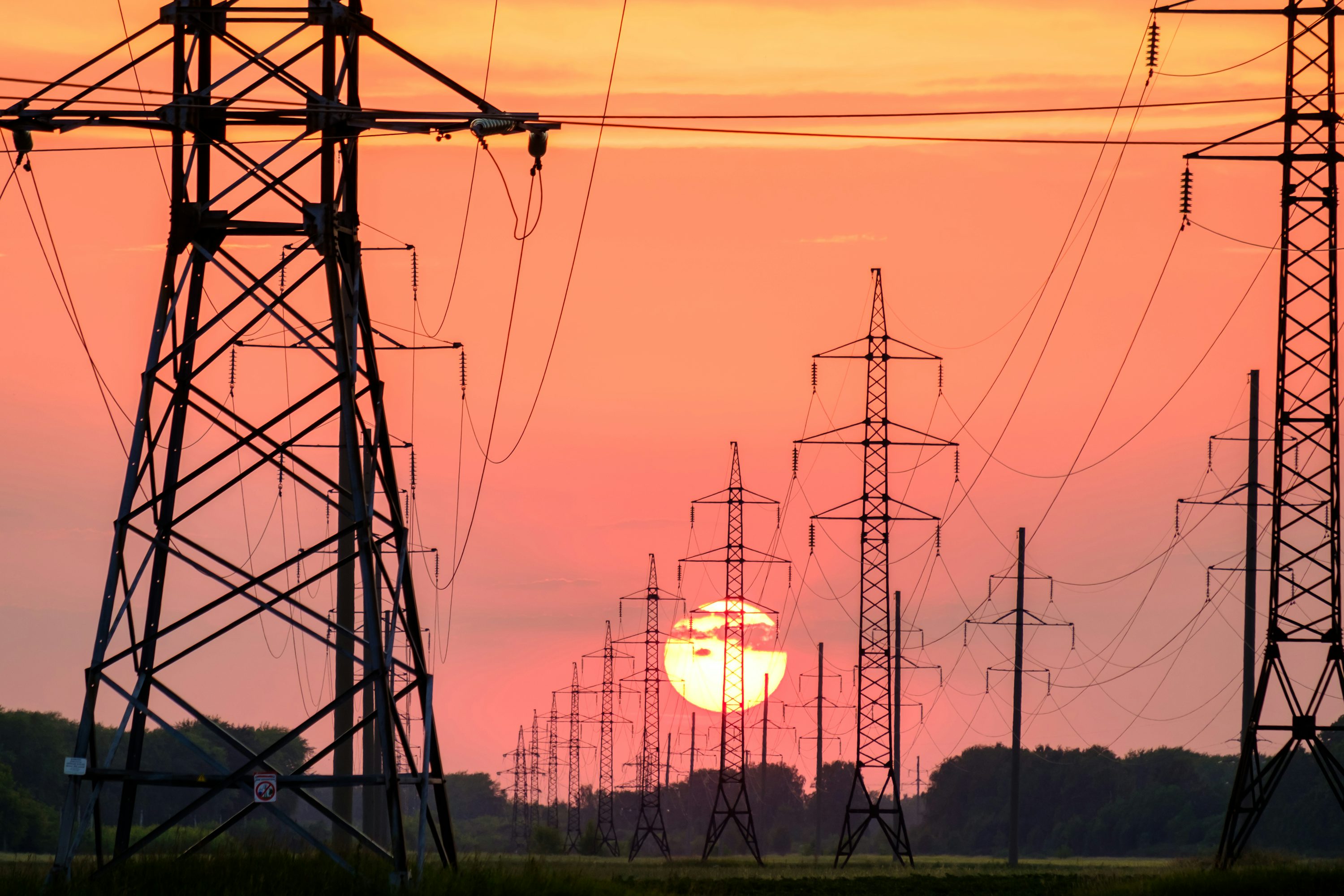
Malawi’s electricity supply has come under renewed pressure after a sharp fall in solar generation coincided with a fault at the Nkula B hydropower station, forcing state utility ESCOM to introduce emergency load shedding.
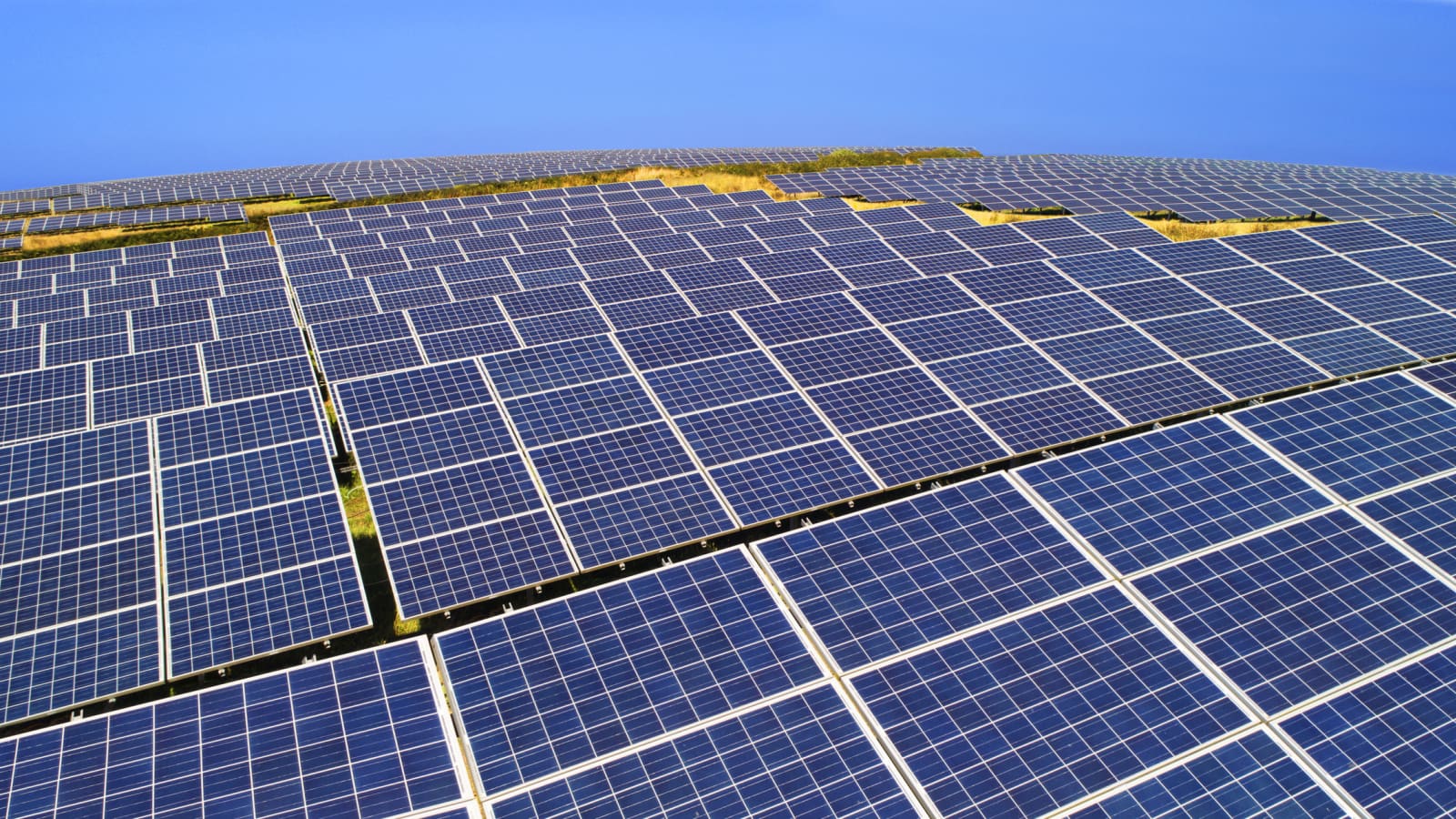
ESCOM said solar generation from independent power producers had dropped to about 10 MW from 111 MW because of weather conditions. The loss of more than 100 MW of solar output was compounded by a fault at Nkula B Unit 6, further reducing the power available to the grid.
The utility warned that the emergency cuts could extend beyond scheduled periods and affect customers who were not included in their normal load-shedding schedules.
ESCOM added that suppliers were working to restore the affected generating units and return electricity supply to normal.
Customers have been advised to follow the load-shedding programme published on August 10 through ESCOM’s website and other official communication channels.
Solar volatility and hydropower outages expose Malawi’s supply challenge
The disruption illustrates the difficulty of maintaining reliable electricity supply when several generation sources are affected at the same time.
Solar power has become an increasingly important addition to Malawi’s generation mix, but its output can change quickly with weather conditions. The aforementioned drop from 111 MW to 10 MW shows how a sudden reduction in solar generation can place additional pressure on other power stations.
At the same time, the Nkula B Unit 6 fault demonstrates the continued importance of Malawi’s hydropower fleet to overall system reliability.
The combination of the two events left ESCOM with less generation available to meet demand, forcing the utility to resort to emergency load shedding while repairs and restoration work continue.
The incident points to a broader challenge for Malawi: expanding renewable generation needs to go hand in hand with reliable hydropower, adequate reserve capacity and other measures capable of balancing fluctuations in variable power generation.
Related Stories

Sign up for our newsletter.
Get the latest news, expert analysis, and industry insights delivered straight to your inbox. Join thousands of professionals shaping the future of energy.
By submitting my information, I agree to the Privacy Policy and Terms of Service.