Renewables |Power
Central African Republic's Solar Plant Raises Power Capacity by Over 60%
The 50MW Sakaï plant, fitted with a 15MWh battery system, is expected to provide electricity to more than 300,000 households.
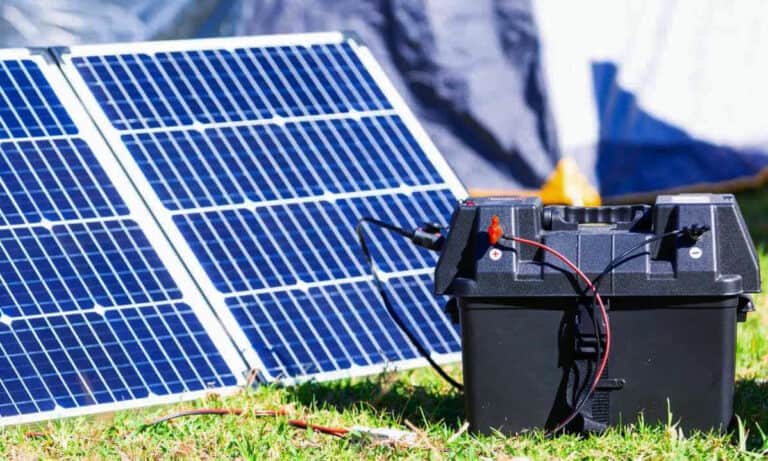
The Central African Republic (CAR) has increased its national electricity generation capacity by more than 60% with a new 50-megawatt solar plant fitted with battery storage in Sakaï. Abu Dhabi-based Global South Utilities (GSU) inaugurated the facility, with the project believed to supply electricity to more than 300,000 households and improve power reliability.
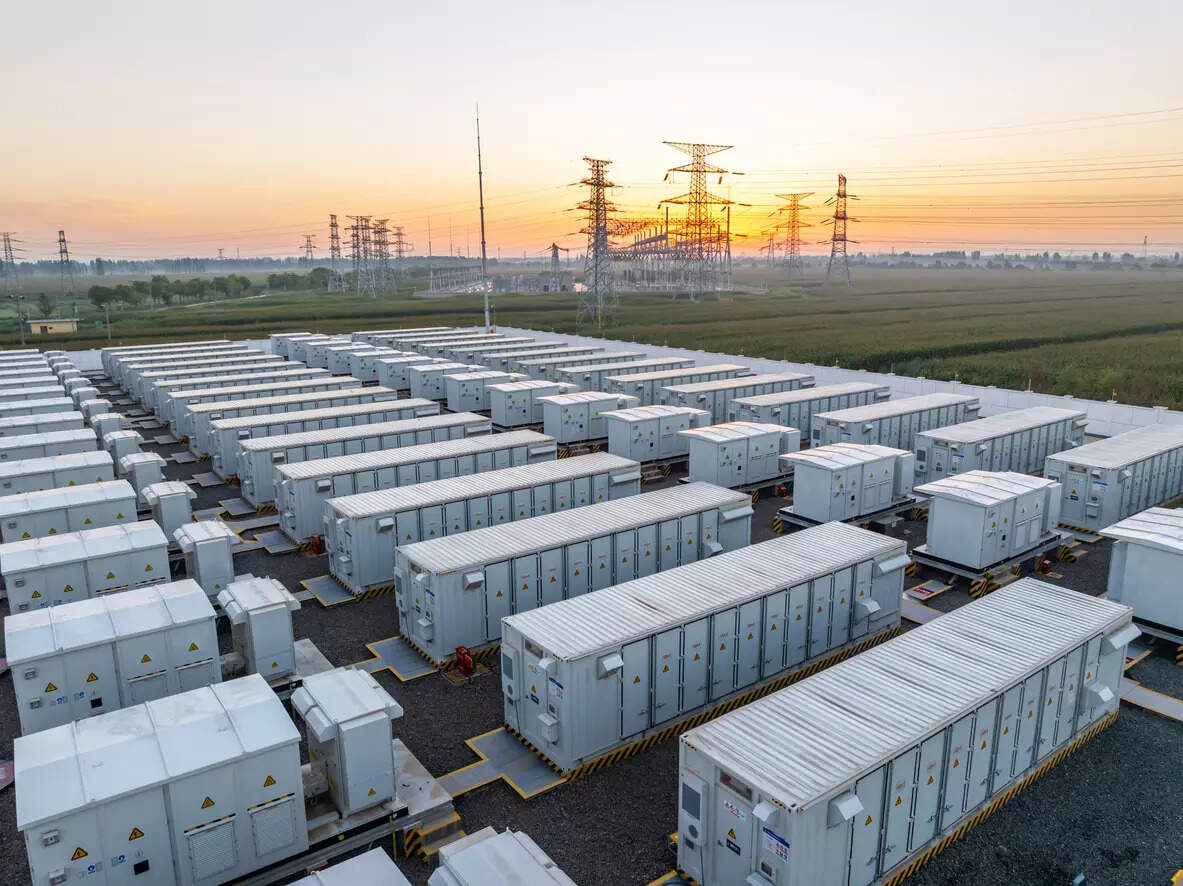
The solar plant combines 50MW of generation capacity with a 15-megawatt-hour Battery Energy Storage System (BESS). The battery is designed to support grid stability, giving the electricity network another source of support when power supply changes.
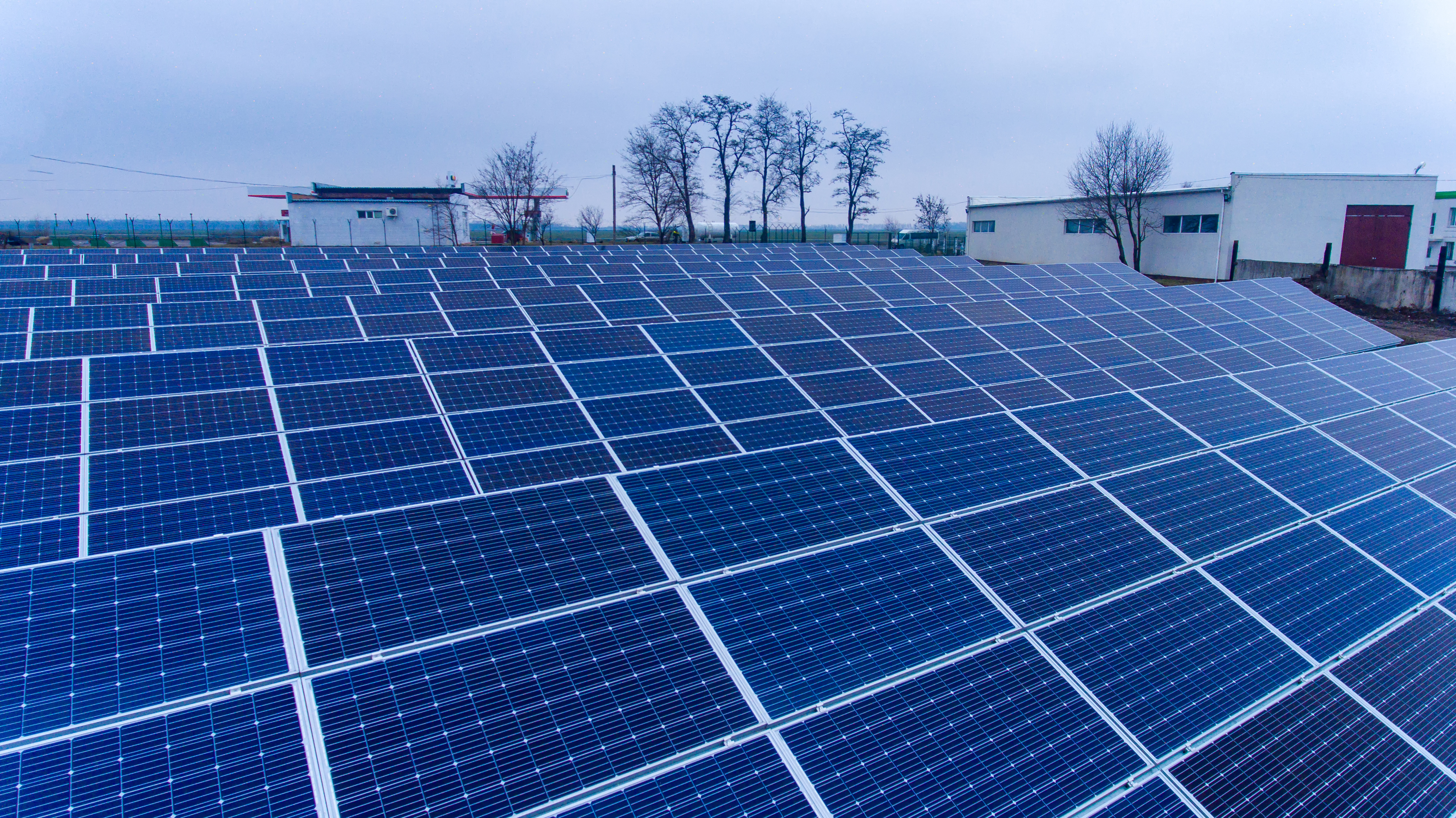
The facility uses more than 80,000 solar panels and 156 inverters. It is also expected to cut carbon dioxide emissions by more than 50,000 tonnes each year.
The scale of the new facility gives the project significance beyond the solar panels themselves. Its battery system provides an important part of the electricity infrastructure, allowing power generated by the plant to be stored for use within the electricity system.
Battery storage gives solar plant a second function
The Sakaï plant is expected to provide electricity for more than 300,000 households, as well as support hospitals, schools and other public services.
It is also expected to provide additional electricity capacity for businesses and industries. GSU said the expansion could help attract investment and create economic opportunities as the country works to strengthen its energy system.
GSU Managing Director and Chief Executive Officer Ali Alshimmari said the project was completed in 10 months and was made possible through partnership and financing support.
"It is a project of historic national importance that will help shape the future of the Central African Republic," Alshimmari said at the inauguration.
He also credited the Abu Dhabi Fund for Development for providing concessional financing for the project.
"We thank the Abu Dhabi Fund for Development, whose concessional financing was instrumental in enabling the delivery of this project," Alshimmari said.
The project was launched in August 2025, when construction began. GSU said at the time that the plant would expand electricity access and support the Central African Republic's transition towards renewable energy.
The inauguration was attended by Central African Republic President Faustin-Archange Touadéra, senior government officials, GSU representatives and project partners.
UAE-CAR energy ties expand
The plant also comes against the background of growing economic ties between the United Arab Emirates and the Central African Republic.
The two countries signed a Comprehensive Economic Partnership Agreement in March 2025. The agreement is aimed at raising bilateral trade and investment across several sectors.
Sakaï is part of an international energy portfolio that includes projects and partnerships across Africa, Central Asia and South America. The company also delivered a solar project in Chad.
The Central African Republic project gives the company another large-scale energy facility in Africa, with solar generation and battery storage included in the same development.
The project also fits into a period when Gulf countries, especially the UAE, are investing in renewable energy and infrastructure projects across Africa.
African governments are seeking additional electricity generation capacity to support economic growth and improve access to power. The Sakaï facility is expected to contribute to that need through its 50MW solar plant and 15MWh battery storage system.
GSU said the project is part of its contribution to long-term ec onomic and social development across Africa.
Related Stories
Sign up for our newsletter.
Get the latest news, expert analysis, and industry insights delivered straight to your inbox. Join thousands of professionals shaping the future of energy.
By submitting my information, I agree to the Privacy Policy and Terms of Service.