Renewables |Power
Kenya’s Renewable Boom Puts Grid Flexibility under Pressure
Kenya’s fast-growing wind and solar capacity is exposing the need for stronger grid flexibility, as Kenya Power weighs reliability, firm generation and the cost of balancing renewable supply.
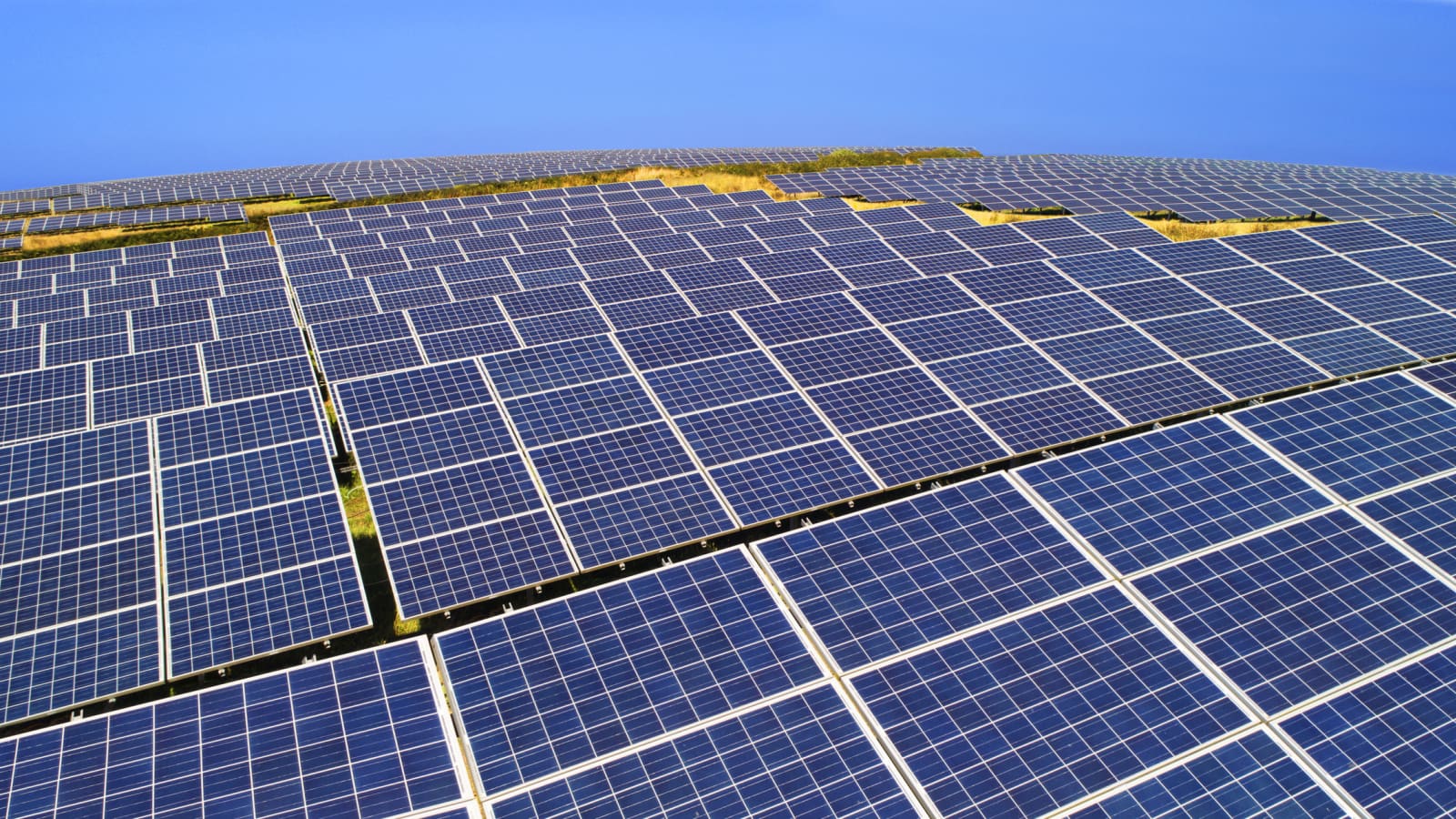
Kenya’s push to expand renewable electricity is creating a new challenge for the national grid: how to absorb more wind and solar power without making the system more expensive or less reliable.
Kenya Power says variable renewable energy (VRE) now accounts for about 34% of the country’s energy mix during peak demand of roughly 1,900 megawatts (MW), increasing to 36% when demand falls to around 1,200MW.
The figures specifies a growing tension in Kenya’s electricity market. Wind and solar are helping the country reduce its reliance on more expensive and carbon-intensive generation, but their output changes with weather conditions, leaving the grid increasingly dependent on other generators to fill the gaps.
Renewable growth is shifting the cost of keeping Kenya’s grid stable
Kenya Power Managing Director and CEO Joseph Siror said the growing share of intermittent generation means the utility must keep other power plants available even when wind and solar are producing electricity.
When renewable output drops, those plants have to be dispatched quickly to maintain supply. That additional balancing requirement, Kenya Power argues, comes with a cost that is not reflected in the headline price of a wind or solar project.
“Given the intermittent nature of wind and solar, we have no option but to dispatch and pay for generators, increasing the overall cost of power,” Siror said.
He noted that Kenya’s power purchase arrangements have pushed VRE above 20% of firm capacity, while global benchmarks point to a lower share of variable generation on a grid's firm-capacity base.
The concern is becoming more significant as Kenya continues to add renewable capacity. Unlike geothermal and conventional hydropower, wind and solar cannot be dispatched according to demand. Their contribution can rise or fall within relatively short periods, forcing the system operator to constantly adjust other sources.
Kenya Power wants the cost of managing that variability to form part of future decisions on new generation projects.
Kenya turns to geothermal, hydro and storage to absorb more renewables
The utility is not arguing against wind and solar. Instead, it says renewable expansion needs to be accompanied by enough dependable capacity to keep the system balanced.
Geothermal and hydropower are particularly important in that mix because they can provide more predictable electricity. Kenya Power said geothermal, hydro, imports and thermal generation currently make up about 80% of the country's energy mix.
Several projects are expected to strengthen that foundation, including KenGen’s additional 61MW at Olkaria I, the 80MW Olkaria 7 project, Globeleq Menengai’s 35MW project, OrPower’s 22MW development and another 35MW Menengai project.
The planned 100MW Paka-Silali geothermal project and 28MW Nabuyole hydropower project are also expected to add capacity, alongside 200MW of electricity imports from Ethiopia.
Kenya Power stated that raising the level of the Masinga Dam by 1.5 metres could add about 83 gigawatt-hours of electricity generation annually.
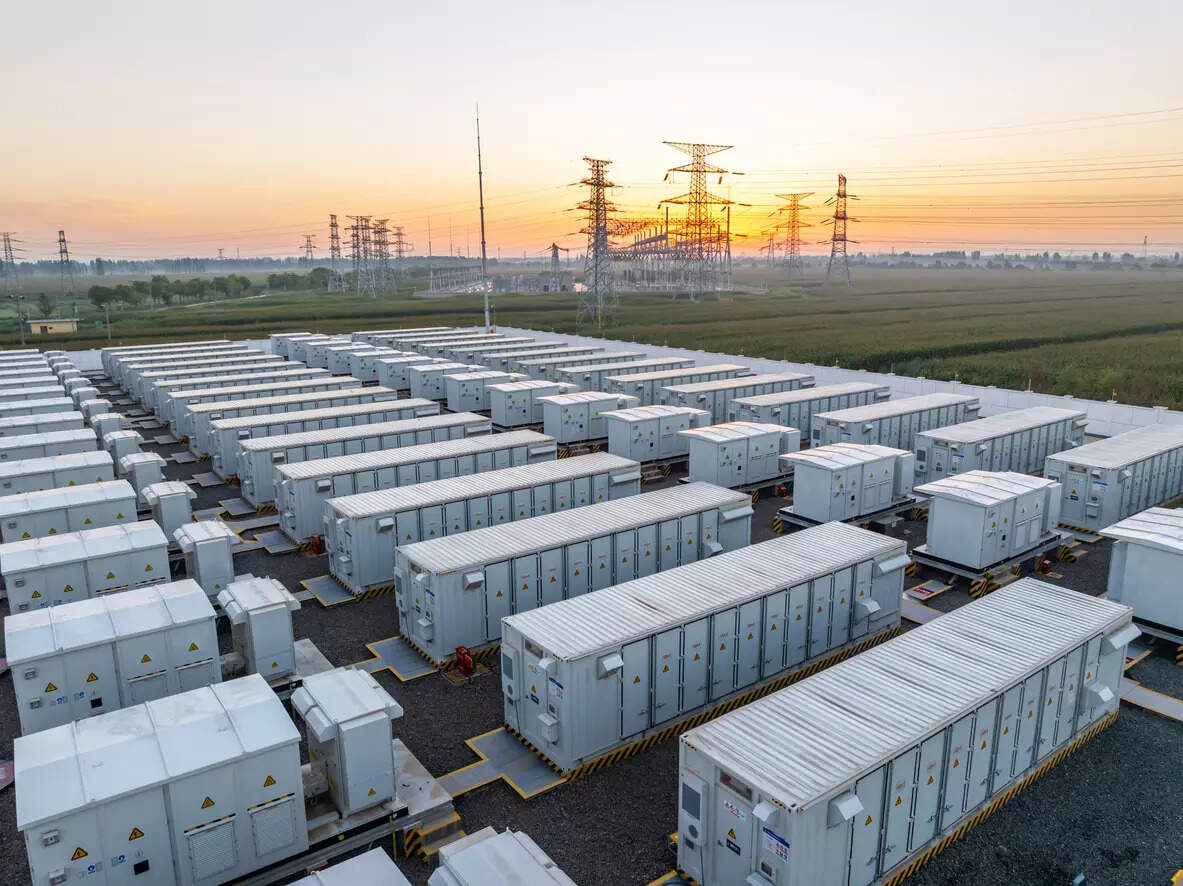
Battery storage is another option, but Siror said storage does not remove all of the challenges associated with prolonged periods of low wind or solar output.
Longer-term plans include a proposed 300MW LNG plant, the 700MW High Grand Falls project and the 90MW Karura Falls hydropower project.
Kenya Power revealed that the country’s VRE penetration is already well above levels reported in several other Eastern Africa Power Pool markets, including Egypt at 10.4%, Ethiopia at 5.3%, Uganda at 4% and Tanzania at 1.2%.
Related Stories
Sign up for our newsletter.
Get the latest news, expert analysis, and industry insights delivered straight to your inbox. Join thousands of professionals shaping the future of energy.
By submitting my information, I agree to the Privacy Policy and Terms of Service.