Renewables
Ghana Puts Cheaper power Ahead of Rapid Energy Transition
Ghana plans to cut electricity use, expand cleaner power and retain domestic gas as it works to keep energy affordable and secure.
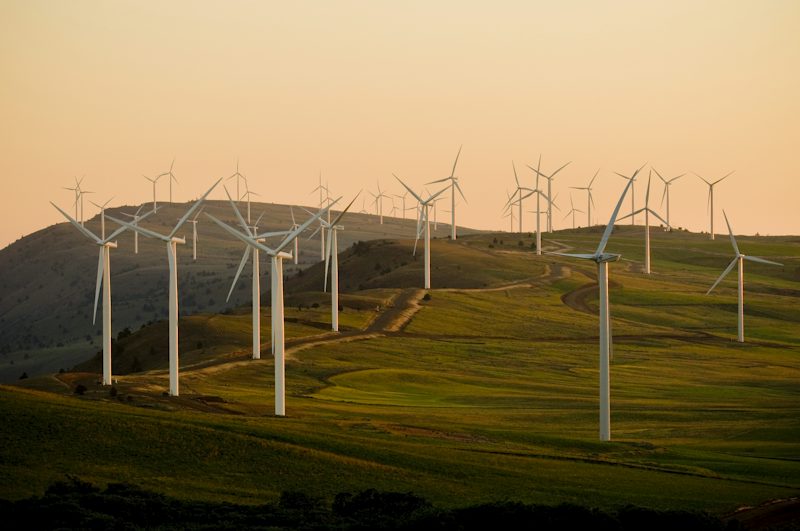
Ghana’s energy transition is being shaped around a simple concern: how to change the country’s power system without making electricity less affordable or supply less reliable.
The Energy Commission says Ghana will reduce its reliance on fossil fuels through lower energy consumption, more solar power and the introduction of nuclear energy. Natural gas will still be used as a temporary source because domestic supplies can help protect the country from problems in imported fuel markets.
Hubert Zan, Manager of Energy Efficiency Regulations at the Energy Commission, said the country would set its own direction and speed for the transition.
Zan spoke to the Ghana News Agency on Wednesday ahead of Ghana’s participation in COP30 in Türkiye in November.
Cutting electricity use before building more power
For Ghana, the first step is not simply to build more generating plants. The Energy Commission says using less electricity can reduce the amount of new power the country needs to produce.
Zan called energy efficiency the “first pool” of the transition strategy.
“We believe that energy efficiency is the first pool. With that, we do not need to even produce the power in the first place, but maintain what we already have,” he said.
The approach includes promoting appliances and technologies that use less electricity. Zan said this could help households and businesses reduce their electricity bills.
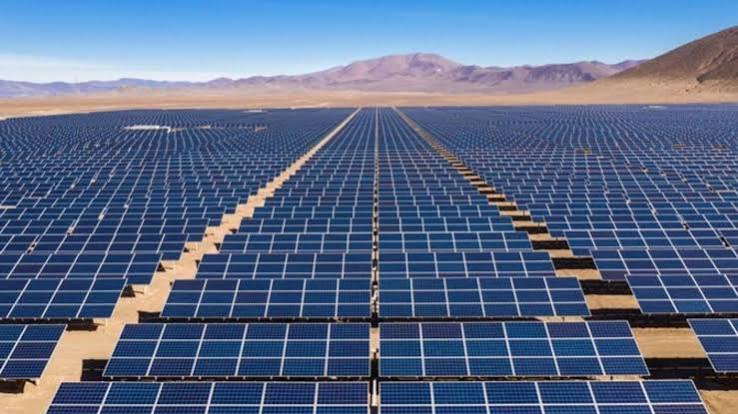
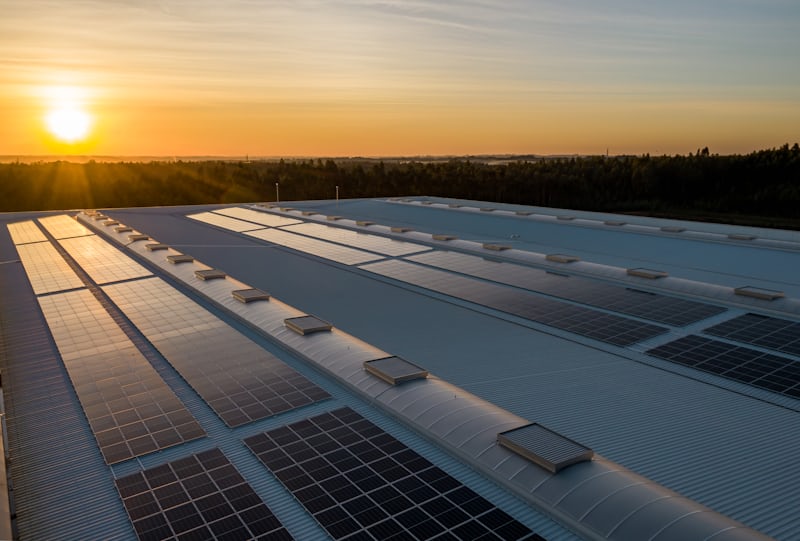
Ghana will also increase the use of utility-scale solar power as part of its planned change in the energy mix.
The country aims to raise modern renewable energy to about 10 per cent by 2030. Zan said reaching that level would be an ambitious commitment.
International financing will be needed to increase renewable energy use, he said. Such funding would also help households and businesses lower their electricity costs.
The government is considering a renewable energy authority to promote renewable power and energy efficiency.
Nuclear power is another part of the plan. Ghana intends to introduce it into its baseload electricity supply as thermal generation is gradually reduced.
Why Ghana is keeping natural gas
Ghana’s transition will not mean an immediate end to gas use.
Zan said domestic gas supplies provide protection against problems that can affect countries dependent on imported fossil fuels. Recent conflicts in the Middle East, he said, have shown the risks linked to such dependence.
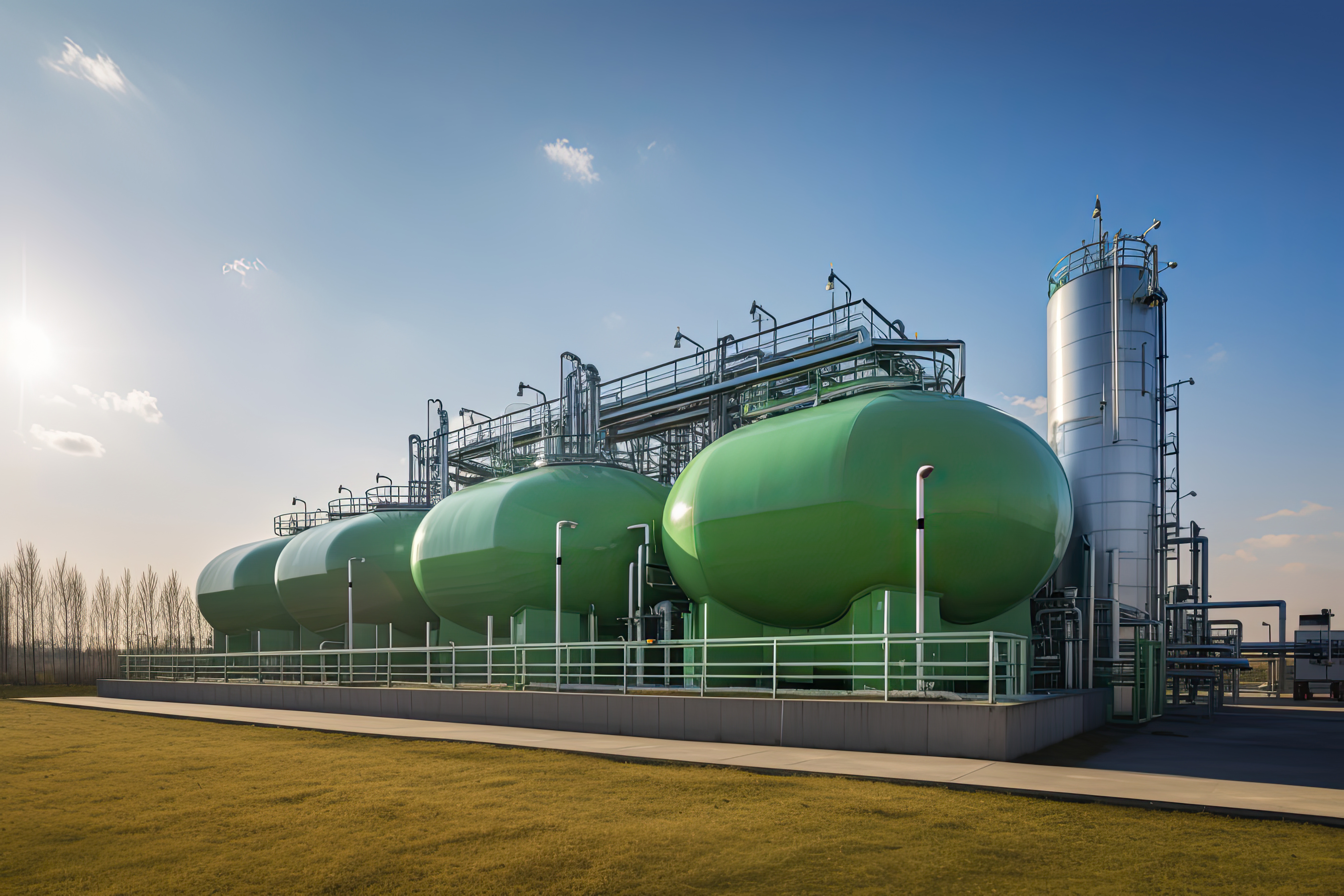
As Ghana expands cleaner power sources, the government sees natural gas as a temporary safeguard for energy supply.
Zan, who is Ghana’s Lead Negotiator for Mitigation and Energy Transition under the UNFCCC, said the decision to promote gas during the transition was tactical.
The country’s energy plans also reach beyond electricity generation.
Ghana is promoting electric vehicles as part of its attempt to reduce emissions from transport. The Energy Commission has the responsibility to develop rules for charging stations and related infrastructure.
Draft regulations for electric vehicle charging infrastructure are currently before Parliament for consideration.
“We are promoting electric vehicles. The Energy Commission is mandated to come up with the charging station and infrastructure,” Zan said.
The strategy places less emphasis on replacing one source of power with another overnight. Ghana plans to reduce electricity consumption, expand solar power, introduce nuclear generation and promote electric transport, while domestic gas provides support during the change.
The country will also need international financing to expand renewable energy and help consumers reduce their electricity bills as the transition progresses.
Related Stories
Sign up for our newsletter.
Get the latest news, expert analysis, and industry insights delivered straight to your inbox. Join thousands of professionals shaping the future of energy.
By submitting my information, I agree to the Privacy Policy and Terms of Service.