Renewables
Nigeria’s Clean Energy Boom Raises New E-Waste Challenge
UNIDO, EPRON and E-Terra Technologies are discussing ways to manage discarded solar equipment, batteries and other renewable-energy devices.

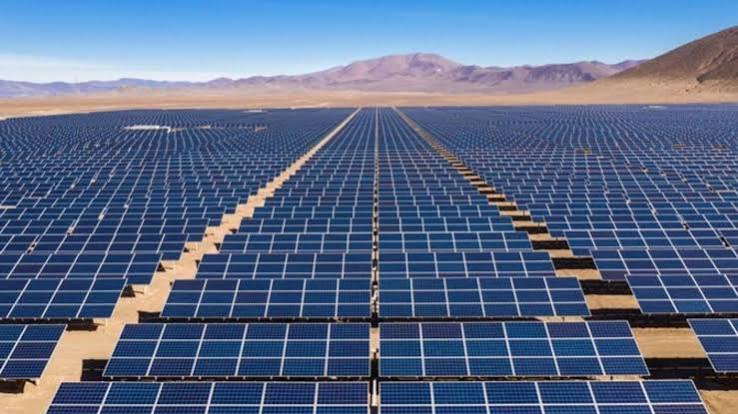
Nigeria’s expanding use of renewable energy is creating a waste problem that stakeholders say must be planned for before discarded equipment becomes harder to manage.
The United Nations Industrial Development Organisation (UNIDO), E-waste Producers Responsibility Organisation Nigeria (EPRON) and E-Terra Technologies Limited began discussions on possible cooperation after a visit to E-Terra’s Materials Recovery and Recycling Facility in Abule-Ado, Lagos.
The discussions focused on how solar panels, inverters, batteries and other renewable-energy equipment can be collected, recovered and recycled when they reach the end of their useful life.
The meeting brought the issue of waste from clean-energy equipment into discussions about Nigeria’s energy future. Stakeholders said renewable power should also have proper systems for handling equipment that can no longer be used.
Planning for discarded solar equipment
Satoko Takenoshita, Technical Advisor, Division of Circular Economy and Green Industry at UNIDO, said systems for recovering and recycling used solar equipment and batteries would be necessary for sustainable energy.
“Developing appropriate systems for recovering and recycling end-of-life solar equipment, batteries and related technologies will be critical to ensuring a truly sustainable energy future,” she said.
The discussions took place after UNIDO and EPRON representatives toured E-Terra’s recycling facility in Abule-Ado.
Patrick Inoh, Technical Director at E-Terra, conducted the tour on behalf of the company’s Chief Executive Officer, Dr Ifeanyi Chukwutem Ochonogor.
Inoh welcomed the proposed cooperation and said strategic partnerships were important in dealing with Africa’s e-waste challenge.
EPRON Executive Director Ibukun Faluyi also said preparation was needed for the waste that would come from the increased use of renewable-energy equipment.
Faluyi said cooperation would be necessary to create a system that makes producers responsible for equipment after use and supports the reuse and recycling of materials.
“Collaboration is essential to building an effective Extended Producer Responsibility and circular-economy framework around these materials,” she said.
Extended Producer Responsibility is a system that gives producers responsibility for products after consumers no longer need them. A circular economy aims to keep materials in use through recovery, reuse and recycling instead of simply throwing them away.
The stakeholders identified several areas that would need effective systems. These include collection, take-back, material recovery, recycling and environmentally sound treatment of discarded equipment.
They also stressed the need to prevent improper disposal, burning and informal dismantling of renewable-energy equipment.
Solar panels, inverters and batteries can eventually become waste after they are no longer suitable for use. The discussions therefore focused on how such materials should be handled once they reach that stage.
The facility tour gave the UNIDO and EPRON representatives an opportunity to see E-Terra’s Materials Recovery and Recycling Facility before the meeting on renewable-energy equipment.
The proposed cooperation centres on creating suitable ways to manage these materials from collection through recovery and recycling.
The stakeholders said responsible treatment of renewable-energy waste should accompany Africa’s transition to clean energy.
Their discussions have now opened the way for possible collaboration among UNIDO, EPRON and E-Terra on the management of end-of-life renewable-energy equipment.
Related Stories
Sign up for our newsletter.
Get the latest news, expert analysis, and industry insights delivered straight to your inbox. Join thousands of professionals shaping the future of energy.
By submitting my information, I agree to the Privacy Policy and Terms of Service.