Oil & Gas
Ghana Seeks Stronger Fuel Supply Shield after Global Disruptions
GHiPCON 2026 has brought together delegates from 25 countries as Ghana pushes for stable regulations to improve energy security and strengthen the downstream petroleum industry.
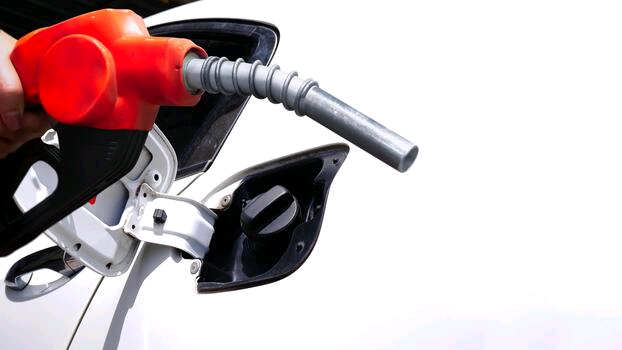
Recent fuel supply disruptions linked to tensions in the Middle East have pushed Ghana to seek stronger policies and new investment to protect its downstream petroleum sector from future shocks.
The call was made on Tuesday at the opening of the 7th Ghana International Petroleum Conference (GHiPCON 2026), where the National Petroleum Authority urged regulators, investors and industry players from 25 countries to work together on building a more reliable fuel supply system. The appeal matters because many African countries still rely on imported fuel and are exposed to global events that can quickly push up prices and disrupt supplies.
The conference focused on how African countries can reduce the effect of external shocks through stronger regulation, better infrastructure, improved technology and long-term investment. Recent events in the Middle East have shown how quickly international tensions can affect fuel availability and pump prices in countries far from the conflict.
The National Petroleum Authority said regulators must regularly review policies so they can respond to new technologies, changing market conditions and environmental issues. It noted that stronger rules alone would not be enough without sustained investment in infrastructure, digital systems and skilled workers.
Global shocks push Ghana to strengthen fuel security
Chief Executive Officer of the National Petroleum Authority, Godwin Edudzi Tameklo, said the conference had become more important because countries needed practical solutions that would reduce the effect of disruptions in fuel supply chains.
“This year's GHiPCON is more crucial than ever as we seek innovative solutions to attract investment, build buffers against external shocks in the fuel supply chain and mitigate their impact sustainably for our governments and people,” he said.
Tameklo said resilience means maintaining a reliable fuel supply, strengthening energy security, improving infrastructure, increasing operational efficiency and building institutions that can respond quickly when market conditions change.
He also urged regulators and industry players to invest in operational excellence, safety, research, workforce training and digital transformation so the petroleum sector can remain competitive.
The NPA chief warned that Ghana would struggle to meet its long-term energy goals without steady public and private sector investment. He noted that investment would help provide the infrastructure, technology and skilled workforce needed to modernise the downstream petroleum industry.
He also said the authority was using policy and technology-driven measures to supervise petroleum service providers, improve compliance, maintain fuel quality, secure reliable fuel supplies and encourage investment.
Refining plans support energy security drive
Ghana's Minister for Energy and Green Transition, John Abdulai Jinapor, said the government was also working to strengthen the country's petroleum sector by increasing oil and gas exploration and production.
He said Ghana planned to increase crude oil and natural gas output through new discoveries while improving local refining capacity.
The minister disclosed that the Tema Oil Refinery and Sentuo Oil Refinery had committed to refining up to one million barrels of Ghanaian crude oil.
He said refining more crude oil within Ghana would increase value addition, improve domestic gas supply, reduce imports of refined petroleum products and strengthen national energy security.
Industry leaders also pointed to the need for stable policies that encourage investors to commit funds over many years.
Ghana's CEO of Chamber of Bulk Oil Distributors, Patrick Kwaku Ofori, said policy consistency, transparency and predictability were necessary to attract long-term investment into the petroleum industry.
Meanwhile, the CEO of the Chamber of Oil Marketing Companies, Riverson Oppong, urged continued investment in petroleum storage facilities, digital systems, local refining capacity and road links connecting ports, depots and markets.
He said strengthening these areas would improve efficiency, make fuel supply chains more reliable and support Ghana's ambition to become a regional petroleum hub.
The two-day conference brought together leaders from 25 countries to examine regulatory reforms, financing opportunities, infrastructure, regional trade, local content, technological innovation, environmental sustainability and private sector participation in the downstream petroleum industry.
Related Stories
Sign up for our newsletter.
Get the latest news, expert analysis, and industry insights delivered straight to your inbox. Join thousands of professionals shaping the future of energy.
By submitting my information, I agree to the Privacy Policy and Terms of Service.