Oil & Gas
Nigeria’s Oil Output Hits 74-month High, Tops OPEC Quota
Nigeria's highest oil output in more than six years points to a strengthening upstream sector, with higher production offering renewed prospects for investment, exports and public revenue.
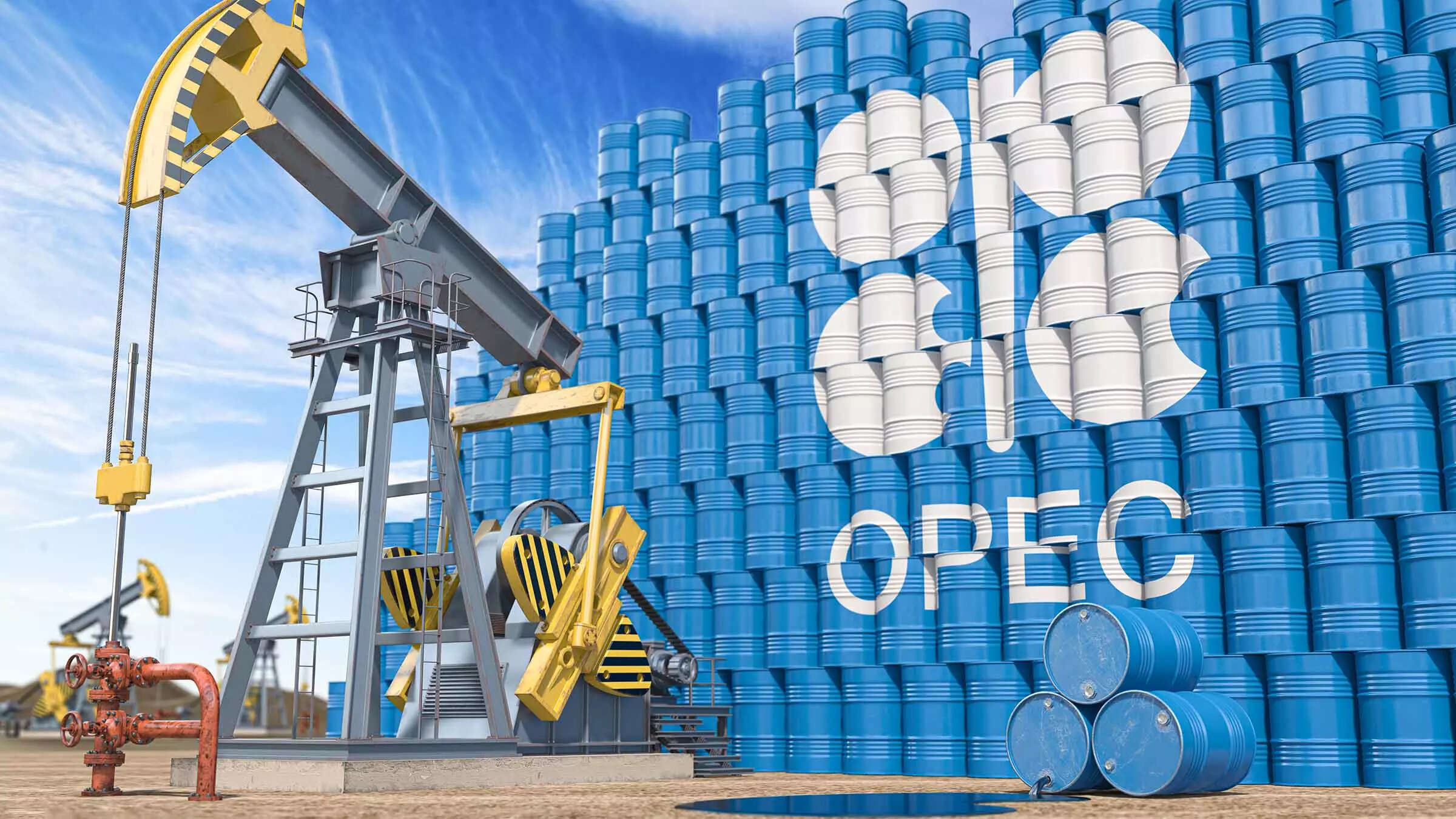
Nigeria produced an average of 1.56 million barrels of crude oil per day (bpd) in June 2026, exceeding its OPEC production quota of 1.5 million bpd by four percent, according to the latest production figures released by the Nigerian Upstream Petroleum Regulatory Commission (NUPRC).
When condensate production of 0.18 million bpd is included, the country's total liquids output reached 1.735 million barrels per day, up from 1.70 million bpd in May.
The latest performance marks Nigeria's highest crude oil production since April 2020 and extends a four-month streak of rising output, signalling a steady recovery in the country's upstream petroleum sector after years of losses linked to crude theft, pipeline vandalism and operational disruptions.
The commission attributed the latest increase to stable production across most oil assets, improved crude evacuation and the absence of major pipeline outages during the month.
It added that although a few producing assets experienced brief operational shutdowns, the interruptions had little impact on overall national output. Scheduled maintenance activities were also completed without significantly affecting production.
The improvement strengthens Nigeria's position within OPEC and brings the country closer to its long-standing ambition of producing two million barrels of oil per day. Higher production could also translate into stronger export earnings, improved foreign exchange inflows and increased government revenue at a time when authorities are seeking to stabilise public finances and attract fresh investment into the upstream sector.
Recovery gains momentum
Production has increased steadily in recent months, rising from 1.483 million bpd in February to 1.564 million bpd in March, 1.663 million bpd in April, 1.701 million bpd in May and 1.735 million bpd in June.
Daily output during June ranged between 1.57 million bpd and 1.89 million bpd, indicating that some producing assets are already approaching levels needed to achieve the Federal Government's medium-term production target.
Among export terminals, Bonny Terminal remained Nigeria's largest producer with an average of 318,280 bpd, followed by Forcados Terminal at 306,360 bpd.
Output at Escravos Terminal edged up to 138,030 bpd, while Bonga Terminal maintained stable production at 103,660 bpd. Qua Iboe Terminal was the only major terminal to record a decline, with average production falling to 164,730 bpd from 173,360 bpd in May.
Recovery follows years of setbacks
Nigeria has struggled for several years to meet its OPEC allocation as crude theft, pipeline vandalism, ageing infrastructure and underinvestment repeatedly disrupted production and discouraged investment. In some months, output fell well below the country's quota, reducing export earnings and weakening government revenues despite high global oil prices.
The recovery gathered pace after the implementation of the Petroleum Industry Act (PIA), tighter security around critical oil infrastructure and closer collaboration between government agencies and oil producers. Those measures have helped reduce production losses and restore confidence in parts of the upstream sector.
Sustaining production above Nigeria's OPEC quota will be important as the country works to raise output further, strengthen foreign exchange earnings and improve fiscal revenues. Consistent production growth could also encourage fresh investment in exploration and field development, supporting the long-term expansion of Africa's largest oil producer.
Related Stories


Sign up for our newsletter.
Get the latest news, expert analysis, and industry insights delivered straight to your inbox. Join thousands of professionals shaping the future of energy.
By submitting my information, I agree to the Privacy Policy and Terms of Service.