Oil & Gas
Ghana Targets 100,000 bpd as Mahama Backs Steady Crude Supply to TOR
Ghana plans to expand Tema Oil Refinery to 100,000 bpd, aiming to strengthen energy security, reduce fuel imports and retain more value from domestic crude.

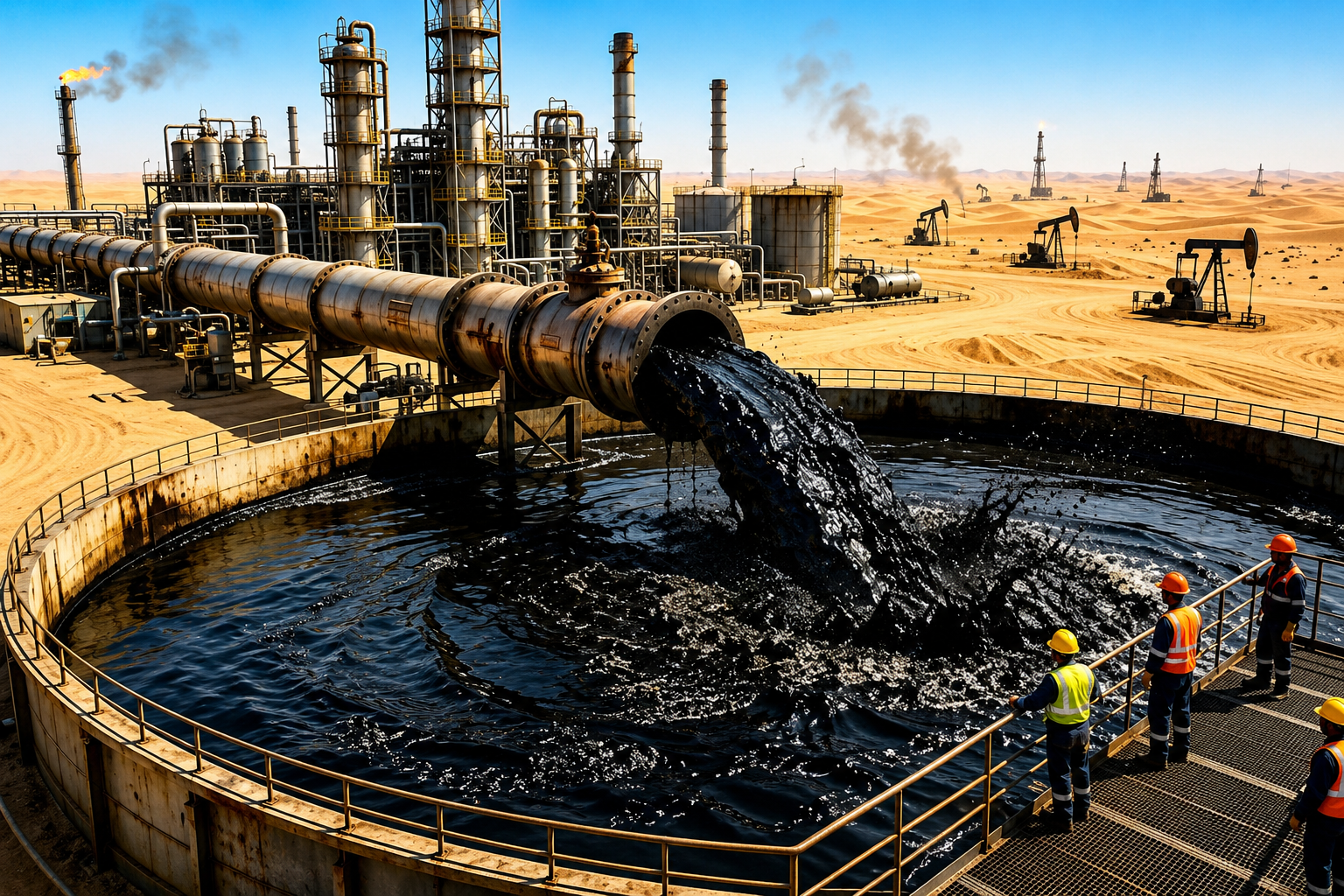
Ghana plans to raise the Tema Oil Refinery's (TOR) processing capacity from 28,000 barrels per day (bpd) to 100,000 bpd as President John Dramani Mahama moves to secure steady domestic crude supplies and reduce the country's reliance on imported petroleum products.
Mahama made the commitment on Saturday while commissioning TOR's rehabilitated Crude Distillation Unit (CDU), directing the Minister of Energy and Green Transitions to work with the refinery's board and management on a plan to expand its capacity.
The president also pledged to ensure that Ghana's crude allocation from the Jubilee field is supplied to TOR, providing the refinery with a more reliable source of feedstock to sustain operations.
The move is significant for Ghana's energy security because a stronger domestic refining industry could reduce exposure to international fuel prices, lower demand for foreign exchange to pay for imported refined products and allow the country to capture more value from its own crude resources.
TOR resumes processing after years of setbacks
TOR, which had faced prolonged operational difficulties, resumed crude processing on 19 December 2025 following the rehabilitation of its Residual Fluid Catalytic Cracker (RFCC) unit. The RFCC is a refinery processing unit that converts heavier petroleum fractions into higher-value products such as gasoline and other fuels.
Since restarting operations, the refinery has processed about two million barrels of crude into gasoline, gas oil, aviation turbine kerosene, liquefied petroleum gas (LPG), kerosene, residual fuel oil and premixed fuel.
Mahama said TOR had received three one-million-barrel crude cargoes since May, sourced from Nigeria's Bonga field, Côte d'Ivoire's Baobab field and Ghana's Jubilee field.
He stressed that Ghana had paid for the crude, rejecting the suggestion that the supplies were obtained on credit.
"I wish to state again that we fully paid for the Ghanaian crude. It was not given to us on credit," he said.
The president added that the government intended to ensure that Ghana's petroleum resources generated greater value within the country rather than relying heavily on imported refined products.
He stated that TOR had previously become a symbol of unrealised potential after years of production stoppages, rising debts, deteriorating equipment and declining public confidence.
"For many Ghanaians, TOR had become a symbol of unrealised potential," Mr Mahama said.
He assured that the government would not abandon the refinery despite its past difficulties but would instead seek to make it more efficient, competitive and commercially viable.
"Nations that aspire to greatness do not abandon strategic institutions like TOR whenever adversity strikes. They reform them, modernise them, restore them and prepare them to compete again," he said.
Government seeks long-term refinery stability
Mahama said the rehabilitation and return to operations had been achieved without direct government funding, while commending TOR's management and board for restoring crude processing.
The government now plans to introduce measures aimed at protecting the refinery's long-term sustainability and shielding its operations from political interference.
The planned expansion to 100,000 bpd would represent a substantial increase from TOR's current 28,000-bpd processing rate and could strengthen Ghana's ability to meet domestic fuel demand through local refining.
However, the expansion will also require sustained access to crude, investment in refinery infrastructure and commercially viable operations. The president's commitment to channel Ghana's Jubilee crude allocation to TOR is therefore central to the proposed growth strategy.
Mahama revealed that the broader objective was to build an integrated petroleum industry capable of supporting Ghana's domestic economy, expanding regional fuel trade and contributing to industrialisation across Africa.
The commissioning of the rehabilitated CDU therefore marks the latest phase in Ghana's effort to restore TOR as a functioning part of the country's energy system, with the proposed 100,000-bpd expansion setting a longer-term target for the refinery's revival.
Related Stories

Sign up for our newsletter.
Get the latest news, expert analysis, and industry insights delivered straight to your inbox. Join thousands of professionals shaping the future of energy.
By submitting my information, I agree to the Privacy Policy and Terms of Service.