Oil & Gas
NLNG Warns Nigeria’s Global LNG Market Share Could Fall to 2%
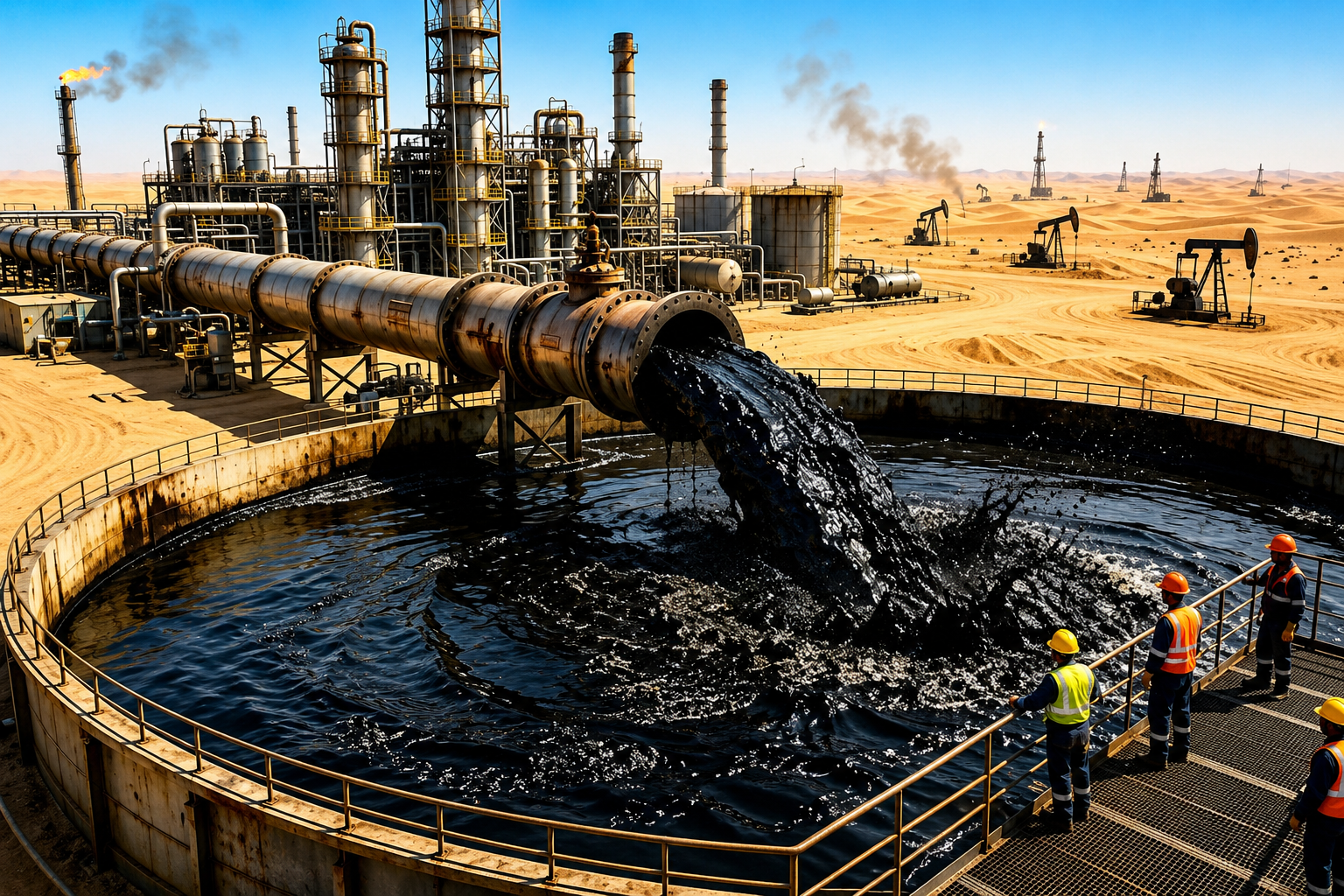
NLNG says Nigeria risks losing more of the global LNG market unless it expands gas processing capacity and secures feedstock, spotlighting the urgency of unlocking the country's vast gas resources for exports and economic growth.
Nigeria Liquefied Natural Gas (NLNG) has warned that Nigeria risks losing more ground in the global liquefied natural gas (LNG) market unless it expands processing capacity and secures reliable gas supplies, with the country's market share already slipping from 6 percent to 5 percent.
NLNG Managing Director and Chief Executive Officer, Adeleye Falade, said the country's share could decline further to as low as 2 percent if investment in gas infrastructure and liquefaction capacity fails to keep pace with competing LNG-producing nations.
He spoke during an NLNG Facts and Figures presentation in Lagos, where he attributed the decline to Nigeria's slower pace of expansion despite possessing one of the world's largest proven natural gas reserves.
Falade asserted that countries with significantly smaller gas reserves have developed much larger LNG export capacities, allowing them to capture a growing share of the international market while Nigeria falls behind.
Australia, he noted, has about 120 trillion cubic feet (TCF) of proven gas reserves but operates LNG processing capacity of about 88 million tonnes per annum (MTPA). Malaysia, with around 97 TCF of reserves, also has a higher processing capacity than Nigeria. By comparison, Nigeria holds about 209 TCF of proven gas reserves but currently operates only 22 MTPA of LNG capacity.
The warning comes as global demand for natural gas continues to grow, particularly as many countries adopt gas as a transition fuel while reducing reliance on more carbon-intensive energy sources. Analysts say producers that fail to expand capacity during this period risk losing long-term export opportunities as new suppliers enter the market.
Feedstock shortages threaten expansion
Falade stated that securing adequate feedstock remains one of NLNG's biggest challenges, describing reliable gas supply as essential to the company's growth plans.
According to him, changes in Nigeria's upstream oil and gas sector, including the divestment of Shell and Eni from onshore assets, have reshaped NLNG's supply chain.
He added that between 70 percent and 75 percent of the company's gas now comes from producers outside its shareholder affiliates, reflecting efforts to diversify supply sources.
Falade cautioned that prolonged supply constraints could force the company to reassess its operating model if sufficient gas is not made available for existing and future facilities.
Expansion plans target global competitiveness
To strengthen Nigeria's position in the global LNG market, Falade said NLNG is progressing construction of Train 7 while holding preliminary discussions on the possible development of Trains 8, 9 and 10.
He opined that expanding liquefaction capacity is necessary if Nigeria is to remain competitive and attract long-term investment into its gas sector.
Falade also stressed that natural gas has applications beyond electricity generation, including fertiliser production, petrochemicals, manufacturing, transport and compressed natural gas (CNG) vehicles, making it a strategic resource for broader industrial development.
The expansion drive aligns with Nigeria's ambition to monetise its vast gas reserves, boost export earnings and support domestic industrialisation. However, industry experts say achieving those objectives will depend on sustained investment in upstream gas production, processing infrastructure and transportation networks to ensure adequate supplies reach LNG facilities.
Related Stories
Sign up for our newsletter.
Get the latest news, expert analysis, and industry insights delivered straight to your inbox. Join thousands of professionals shaping the future of energy.
By submitting my information, I agree to the Privacy Policy and Terms of Service.