Renewables
Globeleq Reaches Financial Close on 40-MW Zambia Solar Plant
Globeleq's Kafue solar project finally reaches financial close nearly a decade after it was first awarded, a delay that coincided with a drought-driven power crisis GET FiT was designed to help prevent.
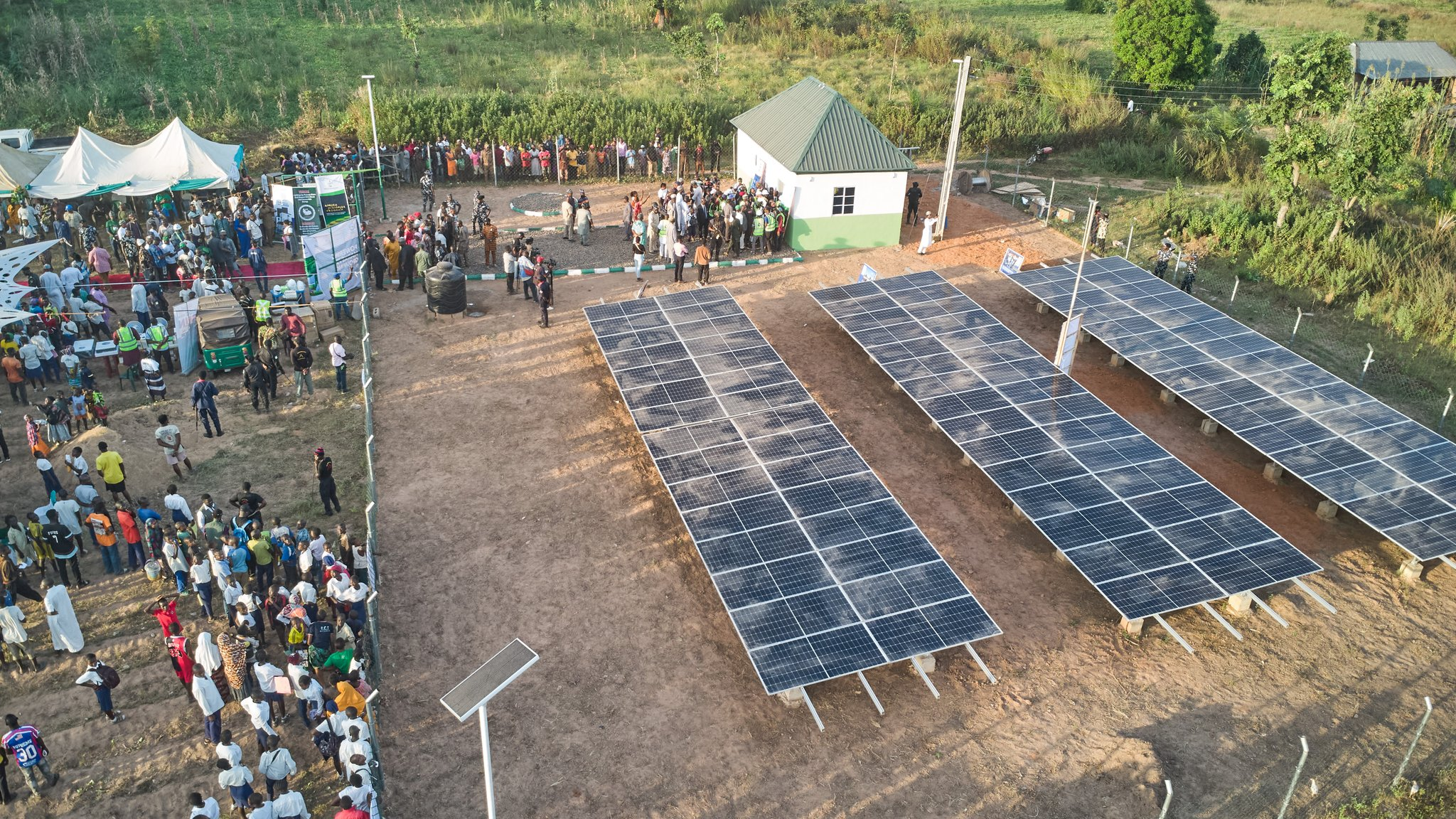
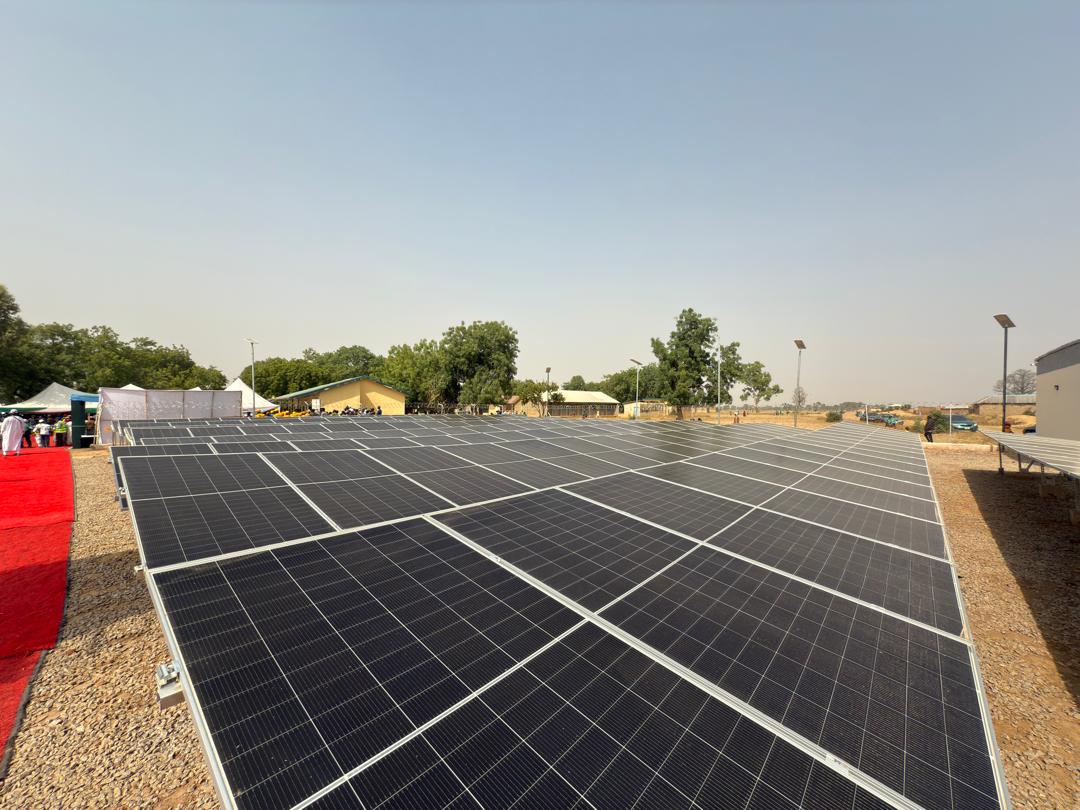
Africa-focused independent power producer Globeleq has reached financial close on a 40-megawatt (AC) solar photovoltaic project near Kafue, Zambia, clearing the way for construction to begin under the country's GET FiT Zambia support programme, the Zambian Ministry of Energy said on Tuesday.
The Kafue solar park, rated at 56 megawatts of direct-current capacity, is expected to begin generating power in October 2027. It was selected through competitive procurement at an average tariff of below $0.06 per kilowatt-hour.
The project comprises two co-located 20-megawatt plants near the town of Kafue in Lusaka Province, connected to the Kafue Town substation via a new 3.5-kilometre transmission line.
Once operational, it is expected to generate about 123 gigawatt-hours a year, enough to cover the electricity consumption of roughly 200,000 people.
A programme nearly a decade in the making
The project's path to financial close has been a long one. GET FiT Zambia, jointly developed by Zambia's Ministry of Energy and German development bank KfW, launched in 2017 to implement the country's Renewable Energy Feed-in-Tariff strategy, first drafted in 2015 to diversify a power system then almost entirely dependent on hydroelectricity.
The programme's first solar tender, covering 100 megawatts of capacity, drew 41 project submissions from 24 developers and was backed by $52.5 million in financing from the African Development Bank and the Green Climate Fund.
Globeleq's Kafue project was among six projects awarded under that first round in 2019, but the broader initiative stalled for years afterward amid the Covid-19 pandemic and Zambia's sovereign debt crisis, before being revived more recently as Zambia pushed to accelerate its stalled renewable energy pipeline.
That delay matters because Zambia's reliance on hydropower has proven costly in the years since the original GET FiT tender. Severe drought linked to El Niño weather patterns left Zambia's Kariba Dam at critically low water levels in 2023 and 2024, forcing the national utility ZESCO into extended rolling blackouts and, at one point, a complete halt to production at part of the Kariba North Bank complex.
Projects such as Kafue, representing the kind of smaller-scale, diversified generation GET FiT was designed to deliver, are part of the broader effort to reduce that vulnerability going forward.
Part of a larger push by the same developer
Globeleq, owned by British International Investment and Norway's Norfund, is separately developing a much larger 250-megawatt-peak solar park in Zambia, paired with a 150-megawatt/600-megawatt-hour battery storage system, underscoring the company's deepening commitment to the Zambian market beyond this single GET FiT award.
How closely construction and the October 2027 commissioning date for Kafue track the original GET FiT timeline, set nearly a decade ago, will offer one indicator of whether Zambia's revived renewable energy pipeline can avoid the delays that stalled the programme's first round.
Related Stories
Sign up for our newsletter.
Get the latest news, expert analysis, and industry insights delivered straight to your inbox. Join thousands of professionals shaping the future of energy.
By submitting my information, I agree to the Privacy Policy and Terms of Service.