Renewables |Finance
Qair Receives First Funds for Chad Solar Projects
Qair's Chad solar project pairs private investment with development-bank guarantees to tackle one of the world's most diesel-dependent power grids.
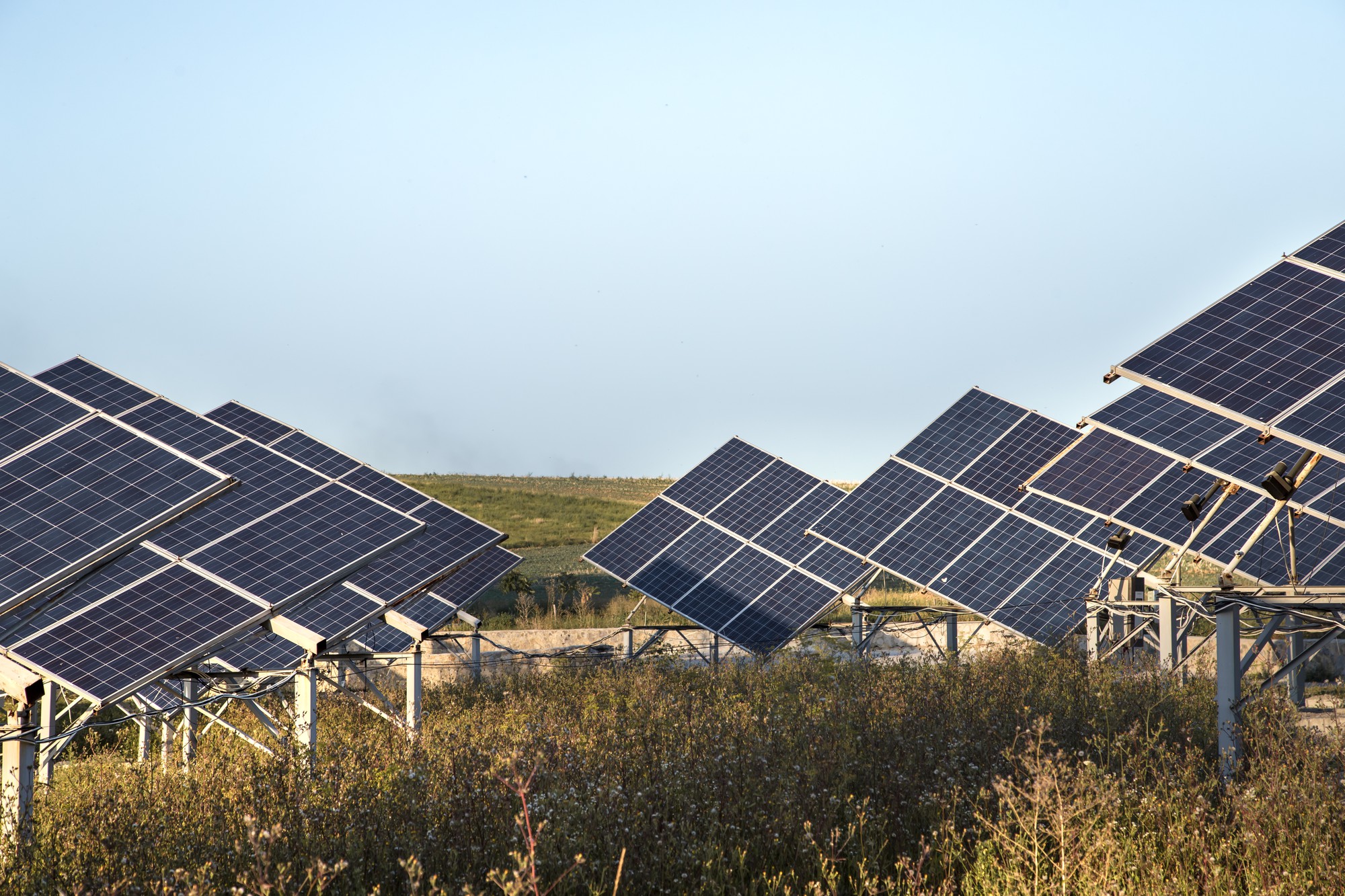
French renewable energy producer Qair has received the first disbursement from a €37.9 million ($43.1 million) financing package for two hybrid solar-plus-storage projects in Chad, a country where only about 12% of the population has access to electricity.
The funds will finance construction of the projects in Gassi and Lamadji, both in N'Djamena, which together will total 30 megawatts-peak of solar capacity and 8 megawatt-hours of battery storage.
Once complete, the plants are expected to generate about 65 gigawatt-hours of electricity a year, enough to supply an estimated 260,000 people.
The projects were developed under a framework agreement with the Republic of Chad, paired with a 20-year power purchase agreement (PPA) with state utility Tchadelec.
A grid built almost entirely on diesel
The investment targets one of the most fragile power systems in Sub-Saharan Africa.
Chad's electricity supply is drawn almost entirely from diesel and heavy fuel oil generators, expensive to run and prone to breakdown, and its national grid barely extends beyond N'Djamena, which alone accounts for roughly 80% of the country's electricity consumption.
Rural electrification remains in the low single digits, and the World Bank has said Chad's overall access rate of around 6% is among the lowest in the world, compared with a Sub-Saharan African average of about 48%.
The government's National Emergency Electricity Plan, adopted in 2020, set a target of reaching 53% access by 2030, with the World Bank separately backing a scale-up project aimed at lifting access from 6% to 30% by 2027 for roughly a million households.
For residents, the battery storage component matters as much as the solar panels themselves: without it, the plants would stop generating power the moment the sun sets, exactly when household electricity demand for lighting and cooling typically peaks.
Financing structure spreads risk across multiple lenders
The €37.9 million package includes €15.2 million in loans from each of the African Development Bank (AfDB) and Proparco, the private-sector financing arm of the French Development Agency, while the AfDB-managed Sustainable Energy Fund for Africa contributed €6 million in reimbursable grants. Proparco and the French Development Agency added a further €1.5 million in supplementary funding.
A separate €8 million partial risk guarantee, issued by the African Development Fund and the Green Climate Fund, backs Coris Bank's letter of credit covering Tchadelec's payments under the PPA, Qair said in a statement.
That guarantee addresses a recurring obstacle to renewable energy investment in fragile power markets: utilities in low-income countries often carry weak balance sheets, making lenders reluctant to finance projects that depend on the utility reliably paying for the electricity it buys.
By insuring against the risk of non-payment, the guarantee is intended to make the Chad projects bankable despite Tchadelec's constrained finances.
The project ranks among the more significant private investments attempted in Chad's power sector to date, and its progress, from this first disbursement through construction and eventual connection to the grid, will offer an early test of whether blended finance structures combining development bank loans, grants and risk guarantees can be replicated to unlock further private investment in one of the world's least electrified countries.
Related Stories

Sign up for our newsletter.
Get the latest news, expert analysis, and industry insights delivered straight to your inbox. Join thousands of professionals shaping the future of energy.
By submitting my information, I agree to the Privacy Policy and Terms of Service.