Power
Nigeria: NEDC Makes Solar Backbone of N'East Public Services
The approval of a N100 billion modular solar power project to supply electricity to schools, hospitals and markets in the North East shifts development plan towards economic expansion.
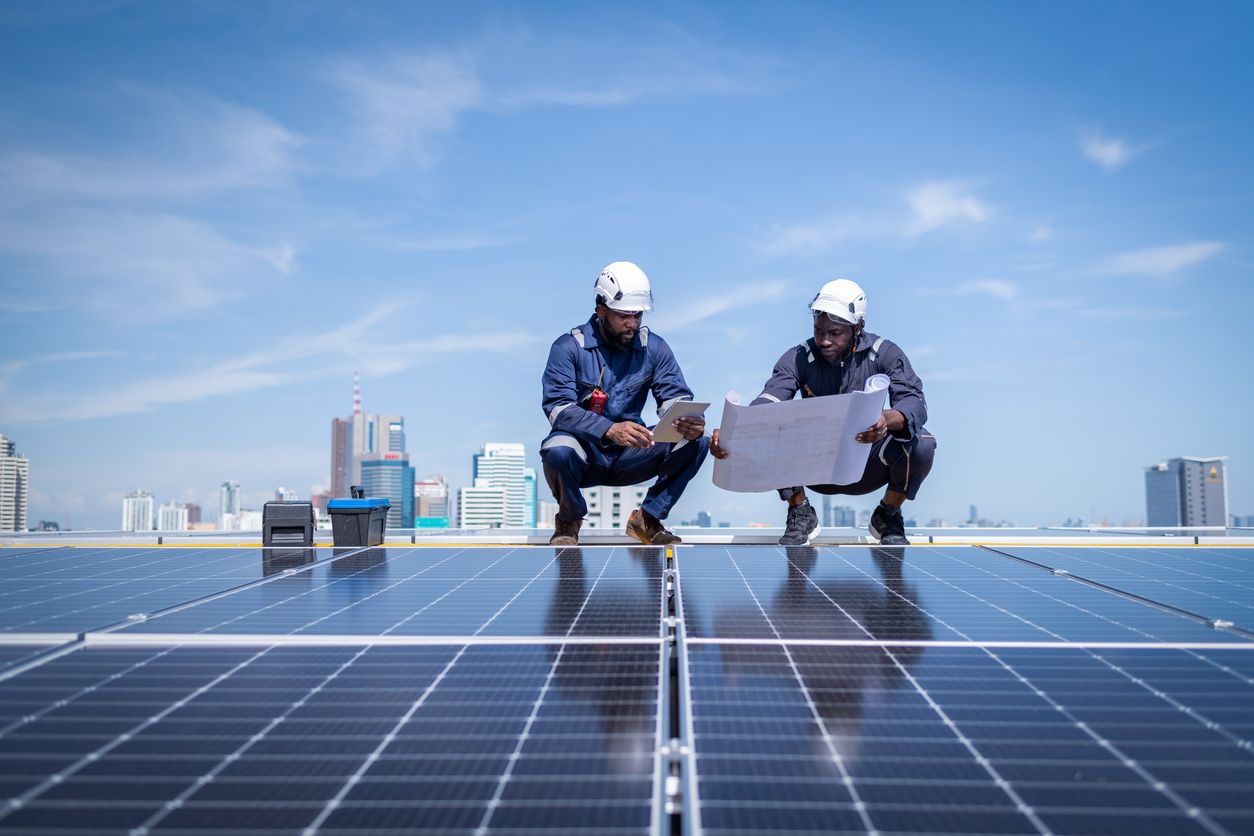
Nigeria's North East Development Commission (NEDC) has made electricity the first building block of its economic expansion programme, approving the immediate rollout of a N100 billion modular solar project designed to keep public services operating in the six North East states.
Announcing the decision on Thursday in Abuja, Managing Director and Chief Executive Officer Mohammed Alkali said the 50 megawatt project followed the board's conclusion that schools, hospitals, markets and other public investments cannot deliver their purpose without reliable power.
The approval shows the commission's transition from recovery and reconstruction to economic expansion after years of rebuilding the region.
The project also responds to low electricity access, with about 61 per cent of people in the North East still without power, a situation the commission said is slowing development.
Electricity leads development plan
Alkali said the NEDC board approved the immediate commencement of the project after deciding that reliable electricity was the first requirement for development.
He said: "The board thought and came up with the resolution that we must do something as quickly as possible because without power, we cannot do anything. Power is number one. Power is number two. Power is number three."
He also announced: "Yesterday, the board approved that the commission should start immediately the process of deploying 50 megawatts of power in the North East. By estimates, this will cost not less than N100bn."
Rather than relying on conventional electricity infrastructure, the commission will install modular solar systems that can serve individual public facilities.
Alkali said: "This power is not going to be through conventional power. It is going to be modular. We have a module that goes to one school, one market and so on and so forth. That will help the ecosystem in general and create a good value chain."
He explained that electricity is necessary to make existing public projects useful.
"We have built schools. Without power, those schools cannot function. We have built health centres. Without power, they cannot work. We have built markets. They need power. Anything we do, at the end of the day, power is required," he said.
Solar network to support transport and other investments
The commission also unveiled plans to introduce 10,000 solar powered electric tricycles and buses assembled in Nigeria.
Alkali said President Bola Tinubu has approved the programme, which is designed to create employment for young people, encourage clean transport and reduce dependence on fossil fuels.
"We have already prepared 10,000 pieces of those minibuses. The tricycles are being assembled here in Nigeria. One, we need to empower youths.
"Second, it is a good form of education because those who assemble and maintain the vehicles will acquire engineering skills," he said.
He explained that charging stations for the electric vehicles will receive electricity from the proposed solar power network.
Alkali also reviewed progress under the North East Recovery and Development Master Plan. He said the commission has completed more than 80 per cent of its stabilisation and renewal targets.
He listed over 300 kilometres of roads, about 150 bridges, more than 100,000 solar streetlights and over 500 solar powered boreholes already delivered. He said the commission plans to complete about 1,000 boreholes before the end of the year.
The NEDC boss also said healthcare services have improved through increased access to MRI machines.
"Our study showed that the entire North East, with a population of almost 28 million people, had only one functional MRI machine. Today, by the grace of God, the region will have eight modern MRI machines," he said.
Alkali disclosed that the commission is considering the revival of rail transport in the region as part of future infrastructure development.
He expressed confidence that the investment programme would change public perception of the region.
Related Stories
Sign up for our newsletter.
Get the latest news, expert analysis, and industry insights delivered straight to your inbox. Join thousands of professionals shaping the future of energy.
By submitting my information, I agree to the Privacy Policy and Terms of Service.