Oil & Gas
Nigeria Goes 13 Months Without Aviation Fuel Imports
Nigeria's shift to locally refined aviation fuel could ease pressure on airlines, but volatile domestic supply raises questions about long-term Jet A-1 security.
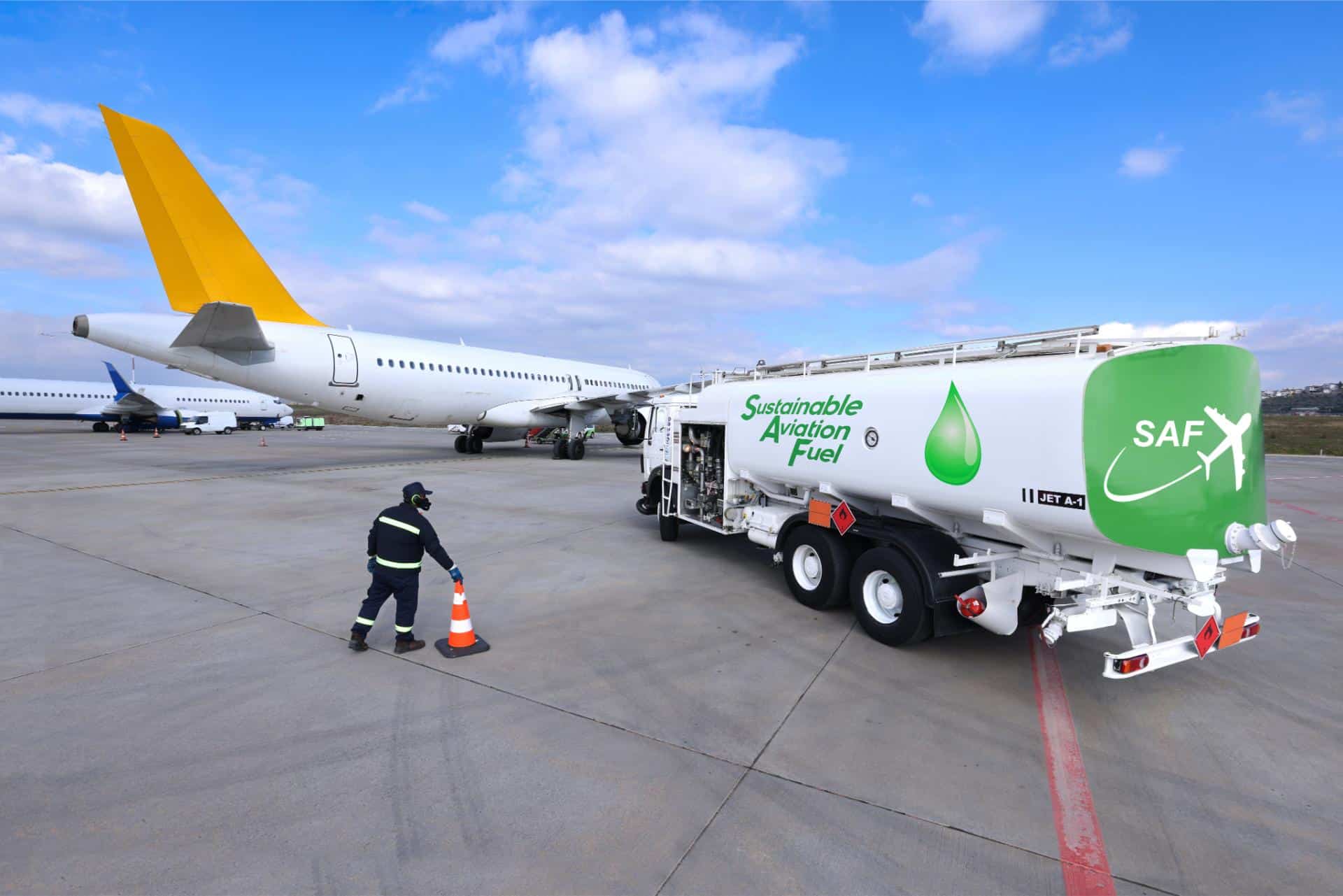
Nigeria's aviation fuel market has gone 13 consecutive months without recorded imports by oil marketing companies, with domestic refineries supplying all reported Aviation Turbine Kerosene (ATK) receipts between June 2025 and June 2026, according to data from the Nigerian Midstream and Downstream Petroleum Regulatory Authority (NMDPRA).
The development marks a major change for an aviation industry that has relied heavily on imported Jet A-1 for years, leaving airlines exposed to exchange rate pressures, international supply disruptions and rising logistics costs.
NMDPRA's petroleum supply data showed that no ATK imports were recorded by oil marketing companies throughout the period, making domestic refineries the only reported source of aviation fuel supply.
But while the figures point to a growing role for local refining, they also reveal wide swings in monthly supply, raising questions about whether domestic production can remain steady enough to meet the aviation industry's needs.
The significance of the development lies in its potential to reduce Nigeria's long-standing dependence on imported aviation fuel, which has exposed airlines to foreign exchange pressures, global oil market disruptions and costly logistics. If domestic refineries can sustain production at levels that consistently meet demand, the shift could strengthen the country's energy security, improve fuel supply reliability and reduce one of the major cost pressures facing Nigeria's aviation industry
Domestic refinery receipts rose from 1.3 million litres per day in June 2025 to 1.5 million litres in July and 3.5 million litres in August. Supply fell to 1.6 million litres per day in September before recovering to 2.7 million litres in October.
No domestic refinery receipt was recorded in November 2025. The following month, however, supply jumped to 14 million litres per day, the highest level recorded during the 13-month period.
The sharp increase did not last. Receipts dropped to six million litres per day in January 2026 and fell further to 1.6 million litres in February. Supply then recovered gradually, reaching 2.1 million litres in March, three million litres in April and 4.3 million litres in May.
In June, however, receipts dropped again to 2.5 million litres per day, down 41.9 per cent from May.
Domestic refining brings relief, but supply remains uneven
The disappearance of aviation fuel imports is sacrosanct for airlines because a larger domestic supply base could reduce their exposure to foreign exchange movements, international freight costs and disruptions in global petroleum markets.
The shift comes after a difficult period for Nigeria's aviation sector. Jet A-1 prices reportedly rose from about N900 per litre in January 2026 to N2,557 per litre by the end of March, an increase of 184 per cent. The surge was linked to disruptions in global oil markets following the Middle East crisis.
Airlines initially absorbed part of the increase as they competed for passengers, but the pressure eventually filtered through to ticket prices. Some one-hour domestic flights later cost N200,000 or more as aviation fuel prices remained between N1,750 and N2,650 per litre.
However, the data suggest that ending imports is only part of the challenge. The sharp difference between the 14 million litres per day supplied in December 2025 and the 2.5 million litres recorded in June 2026 shows that maintaining a consistent supply may prove more difficult than replacing imports.
Aviation fuel demand remains relatively stable
Despite the fluctuations in refinery receipts, domestic aviation fuel consumption remained relatively steady during the period.
Consumption stood at 3.5 million litres per day in January 2026, falling to 2.9 million litres in February and 2.1 million litres in March. It then rose to 2.5 million litres in April and 3.1 million litres in May before easing to 2.9 million litres per day in June.
June consumption was six per cent lower than the previous month.
Conclusively, demand averaged about 2.9 million litres per day, close to Nigeria's 2026 benchmark of three million litres daily.
NMDPRA said its petroleum product consumption figures are based on volumes trucked into the domestic market.
The regulator's data also showed that ATK supply rose from 2.6 million litres per day in April to 3.6 million litres in May during the relevant reporting cycle.
The shift towards domestic aviation fuel production illustrates the changing landscape of Nigeria's downstream petroleum sector following the start-up and expansion of new and rehabilitated refineries.
The trend also supports the Federal Government's broader push to reduce dependence on imported refined petroleum products and conserve foreign exchange.
The real test for airlines and passengers, however, will be whether domestic refineries can maintain reliable and competitively priced supplies over time.
With aviation fuel demand remaining close to three million litres per day, sustained local production will be crucial. The 13-month absence of recorded imports is a significant milestone, but the volatility in refinery receipts shows that Nigeria's next challenge is to make domestic supply not only available, but dependable.
Related Stories



Sign up for our newsletter.
Get the latest news, expert analysis, and industry insights delivered straight to your inbox. Join thousands of professionals shaping the future of energy.
By submitting my information, I agree to the Privacy Policy and Terms of Service.