Oil & Gas
Nigeria: Higher Crude Fails to Lift Petrol Supply, June Figures Reveal
More crude reached domestic refineries, total petrol availability increased and stock levels improved, yet lower local petrol receipts made an increase in imports necessary to keep supplies stable in Nigeria.

Nigeria received more crude oil for local refining in June 2026, yet domestic petrol supply dropped by almost 22 per cent, forcing an increase in fuel imports to keep filling stations supplied, new data from the Nigerian Midstream and Downstream Petroleum Regulatory Authority (NMDPRA) have shown.
The June data showed crude oil receipts rose by 9.3 per cent to 0.632 million barrels per day from 0.578 million barrels per day in May. Yet domestic Premium Motor Spirit (PMS) receipts fell from 41.5 million litres per day to 32.5 million litres per day.
The shortfall pushed petrol imports up by 207 per cent to 18.1 million litres daily. The figures underline that higher crude deliveries alone do not guarantee higher local petrol supply.
This revelation is important because Nigeria has placed increasing attention on local refining to reduce dependence on imported fuel. The June figures show that more crude reaching domestic refineries did not translate into more petrol entering the local market, leaving imports to bridge the gap.
Higher crude receipts fail to lift local petrol supply
The NMDPRA June 2026 Fact Sheet showed domestic petrol receipts fell by nine million litres per day between May and June, even though crude supplied to local refineries increased.
During the same period, average daily petrol imports climbed from 5.9 million litres to 18.1 million litres. That increase offset the decline in domestic supply and pushed total petrol receipts from 47.4 million litres per day to 50.6 million litres per day.
The regulator stated: "Total PMS receipts rose by seven per cent from 47.4 million litres per day in May to 50.6 million litres in June, driven by a 207 per cent surge in imports to 18.1 million litres, even as domestic supply fell by 22 per cent to 32.5 million litres per day."
The figures show that imported fuel played the central role in increasing petrol availability during the month.
Earlier this year, the picture was different. In January, domestic petrol receipts stood at 40.1 million litres per day and accounted for about 61.8 per cent of total supply. Imports then reduced sharply in February and stayed relatively low until June.
Imports keep total fuel supply above demand
Although local petrol supply declined sharply, motorists did not face an overall reduction in available fuel, according to the report.
Petrol consumption rose only slightly from 46.3 million litres per day in May to 47.4 million litres per day in June, while total receipts increased to 50.6 million litres daily.
Fuel reserves also improved. PMS stock sufficiency increased from 16.2 days in May to 19.7 days in June, giving the country a larger supply cushion.
The June report also recorded mixed results for other petroleum products.
Liquefied Petroleum Gas receipts increased by 24.4 per cent to 5.1 kilotonnes per day after LPG imports jumped by 1,400 per cent. Domestic LPG receipts, however, fell by 10 per cent.
Diesel receipts declined by 13.8 per cent to 16.2 million litres per day. No diesel imports were recorded during the month, although stock sufficiency increased to 37.1 days.
Aviation fuel receipts also dropped by 30.6 per cent to 2.5 million litres per day.
Domestic gas supply increased by 2.65 per cent to 5.116 billion standard cubic feet per day.
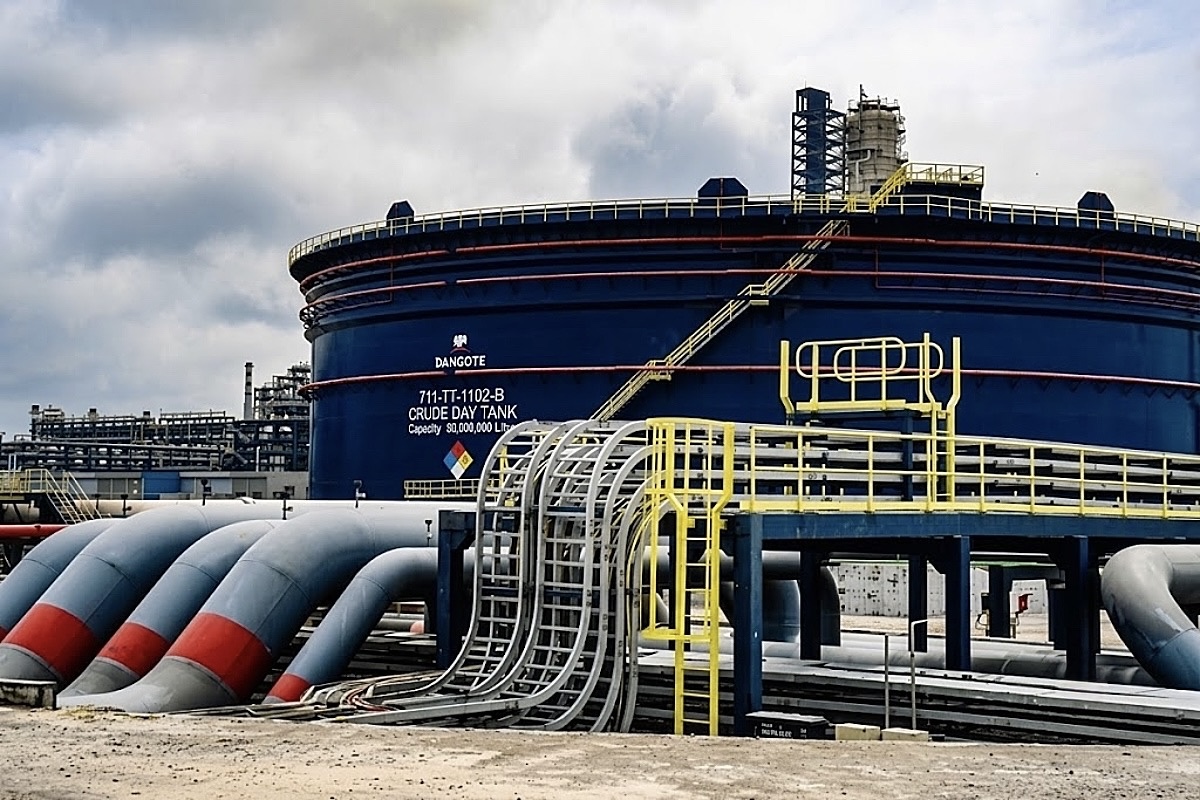
The June figures also showed lower domestic petrol receipts after the Dangote Petroleum Refinery supplied an average of 41.5 million litres per day in May. By June, domestic receipts had dropped to 32.5 million litres per day.
Related Stories

Sign up for our newsletter.
Get the latest news, expert analysis, and industry insights delivered straight to your inbox. Join thousands of professionals shaping the future of energy.
By submitting my information, I agree to the Privacy Policy and Terms of Service.