Power
Nigeria, UAE Discuss 5GW Power Boost as Grid Losses Near 20%
Nigeria is discussing a 5GW electricity generation plan with the UAE, with solar power and ageing grid infrastructure among the issues under consideration.
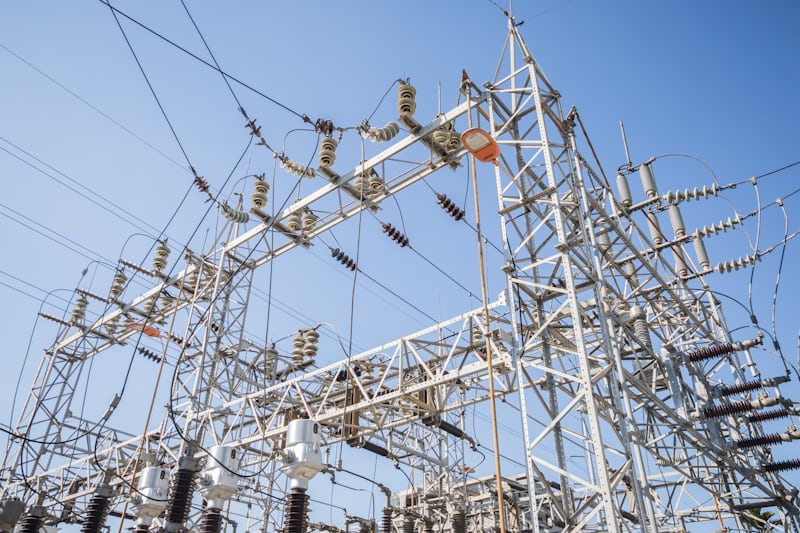
Nigeria’s plan to secure an extra 5 gigawatts of electricity generation from the United Arab Emirates is being discussed alongside major problems in the country’s ageing power grid, with almost 20 per cent of electricity transmitted through the network lost, Power Minister Joseph Tegbe said.
The talks cover solar energy, funding, technical knowledge and renewable energy expertise between Nigeria and the UAE, the UAE state-run Wam news agency reported.
Tegbe said Nigeria currently has an installed electricity generation capacity of 13.6GW. However, only 5GW is transmitted through the grid, with transmission losses reaching almost 20 per cent of that amount.
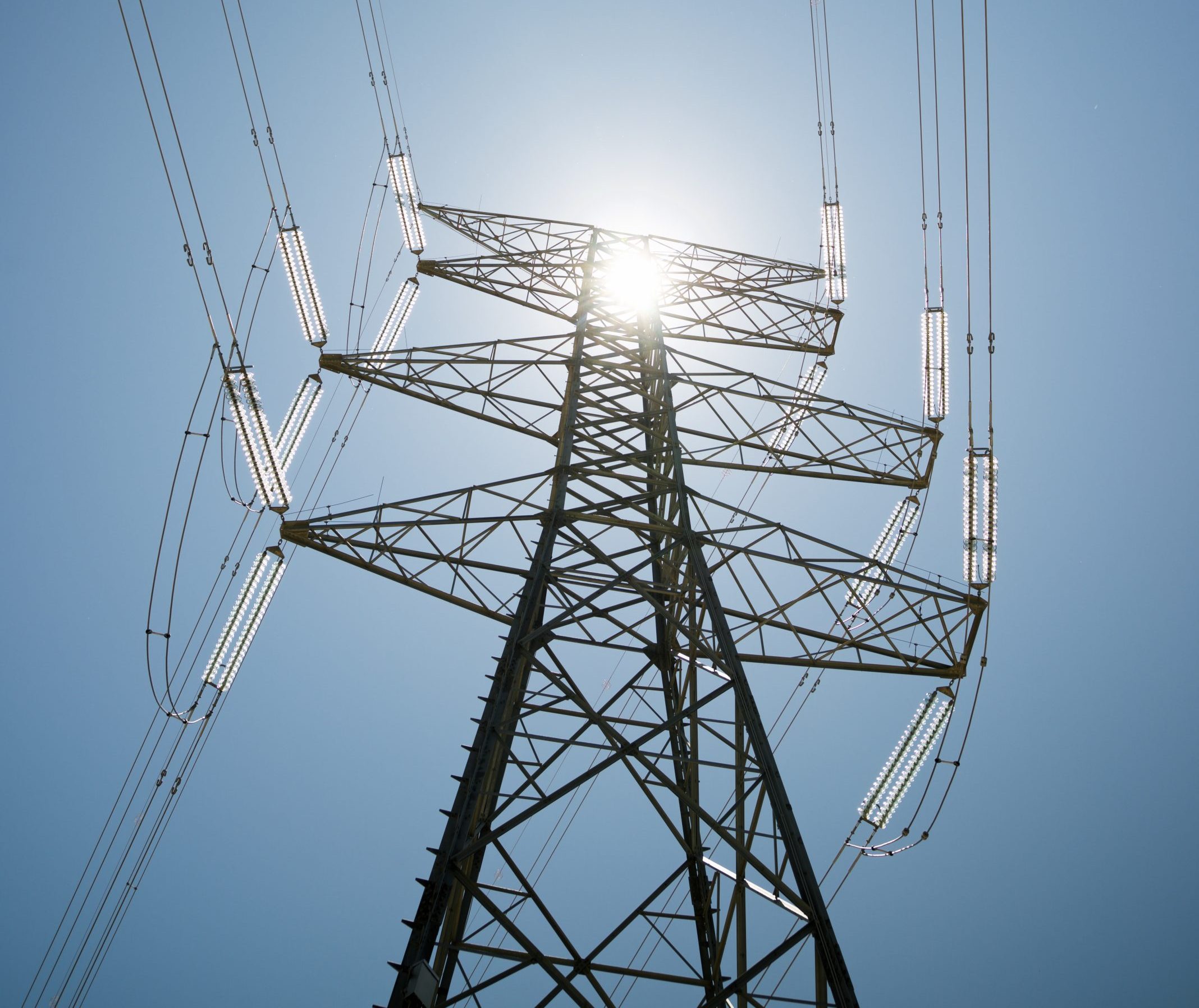
The figures show that generating more electricity is only one part of the challenge facing Nigeria’s power sector. The country is also working on the condition and performance of the network used to transmit electricity.
Ageing grid adds pressure to generation plans
Tegbe said Nigeria is adopting new strategies to make the power sector sustainable. These include upgrading parts of the national grid that are about 50 years old and replacing infrastructure components.
The minister did not provide details of specific projects under discussion with the UAE. He also gave no figures on the funding required for the proposed 5GW increase in generation.
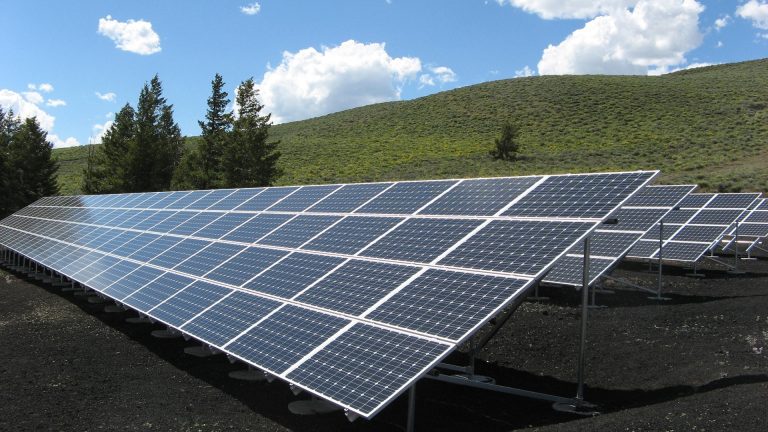
Solar power is one of the main areas being discussed by both countries. Their talks also include financing and the exchange of technical ideas and expertise in renewable energy.
The proposed cooperation therefore covers both the production of electricity and the technical knowledge needed in the renewable energy sector.
Nigeria’s current installed generation figure of 13.6GW also shows the gap between the country’s available generation capacity and the amount transmitted through the grid.
The 5GW figure under discussion with the UAE is significant in relation to the 5GW currently transmitted through Nigeria’s grid. Tegbe’s figures show that almost one-fifth of that transmitted electricity is lost within the transmission system.
The government’s plan to upgrade old sections of the grid comes alongside the talks on new generation capacity. Tegbe said infrastructure components would be replaced as part of the work to improve the sustainability of the power sector.
The UAE’s interest in renewable energy also extends to other African countries. Abu Dhabi renewable energy company Masdar said at the beginning of this year that it was developing its first solar power project in Angola.
The Angola project is intended to support the Central African country’s energy transition. The data supplied does not provide the size, cost or completion date of that project.
Nigeria’s discussions with the UAE also sit within a larger economic relationship between both countries.
In January, Nigeria and the UAE signed a comprehensive economic partnership agreement, known as Cepa. The agreement is aimed at reducing tariffs and trade barriers and boosting trade and investment between the two countries.
Non-oil trade between Nigeria and the UAE reached $4.3 billion in 2024. That was 55 per cent higher than the previous year.
The UAE has signed Cepas with Kenya and the Central African Republic in Africa. Negotiations on a deal with Chad have also been completed.
Globally, the UAE has concluded 32 Cepas, with 14 already in force. Its agreements include deals with India, Malaysia, Angola, Ukraine, New Zealand and the Philippines.
The power talks, for Nigeria, bring electricity generation, renewable energy financing and the condition of the national grid into the same discussion.
Related Stories
Sign up for our newsletter.
Get the latest news, expert analysis, and industry insights delivered straight to your inbox. Join thousands of professionals shaping the future of energy.
By submitting my information, I agree to the Privacy Policy and Terms of Service.