Power
Namibia: Windhoek Electricity Tariffs Rise 3.6% From September 1
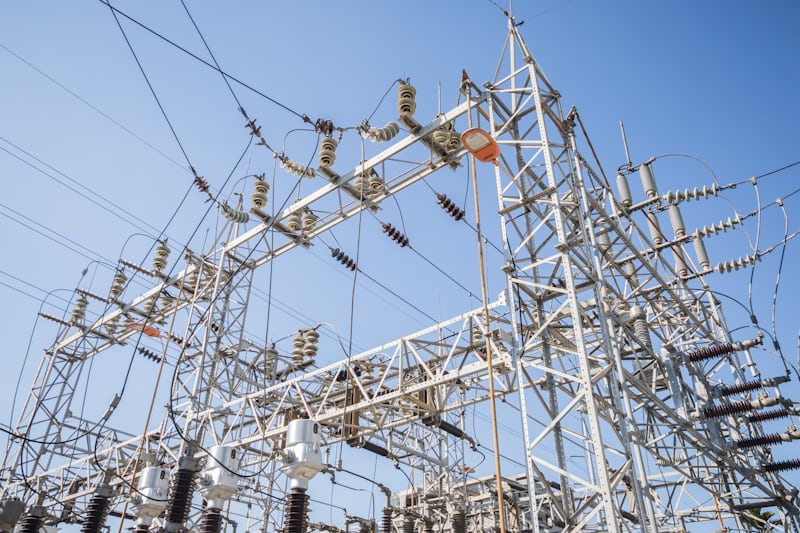
Windhoek's latest tariff hike demonstrates a broader pattern in Namibia, where rising bulk power costs are steadily working their way down to household electricity bills.
The City of Windhoek will raise electricity tariffs by an average of 3.6% from Wednesday, September 1, for the 2026/27 financial year, after the increase was approved by the Electricity Control Board (ECB) under the Electricity Act of 2007.
Under the new tariff, customers will receive approximately 37.6 units of electricity for every N$100 spent. The increase follows a 4% tariff hike the city imposed for the 2025/26 financial year, which took effect on August 1, 2025.
City spokesperson Lydia Amutenya said the adjustment was necessary to maintain a secure, reliable and high-quality electricity supply across the Namibian capital.
According to Amutenya, the additional revenue will allow the city to maintain and upgrade its electricity infrastructure, keep pace with growing demand and ensure the service remains financially sustainable over the long term.
"While the city remains committed to keeping electricity as affordable as possible, periodic tariff adjustments are essential to maintain and improve infrastructure, meet growing demand and ensure long-term sustainability," Amutenya said in a statement.
Municipal increase follows a higher bulk tariff
Windhoek's increase comes shortly after NamPower, Namibia's state-owned power utility, raised the bulk tariff it charges municipalities and other distributors.
The ECB approved a 3.7% increase in NamPower's bulk tariff, lifting it from N$2.06 to N$2.14 per kilowatt-hour effective August 1, 2026, according to ECB chief executive Robert Kahimise.
That figure was already reduced from the 8.4% NamPower had originally requested, after the government stepped in with N$90 million in relief funding, N$50 million from the Long Run Marginal Cost Fund and N$40 million from the National Energy Fund, to soften the impact on consumers.
Municipal tariffs such as Windhoek's typically track these annual adjustments to NamPower's bulk tariff, since local authorities buy electricity from NamPower before reselling it to households and businesses.
The pattern has repeated for at least two consecutive years: NamPower's bulk tariff rose 3.8% for 2025/26, and Windhoek's municipal tariff rose 4% that same year.
The city said electricity remains an essential service underpinning Windhoek's social and economic development, and that the latest adjustment supports its broader goal of becoming a sustainable and caring city by 2027.
The increase takes effect as households and businesses in Windhoek continue to face rising living and operating costs, adding to pressure on consumer budgets even as the city frames the adjustment as necessary for the network's upkeep. How much further relief, if any, the government extends to cushion future bulk tariff increases is likely to shape the size of Windhoek's next annual adjustment.
Related Stories
Sign up for our newsletter.
Get the latest news, expert analysis, and industry insights delivered straight to your inbox. Join thousands of professionals shaping the future of energy.
By submitting my information, I agree to the Privacy Policy and Terms of Service.