Power
West African Power Trade Delivers Cost Savings for Utilities.
Interconnected national grids are giving countries with excess electricity a route to sell power to neighbours, with measurable savings already recorded.
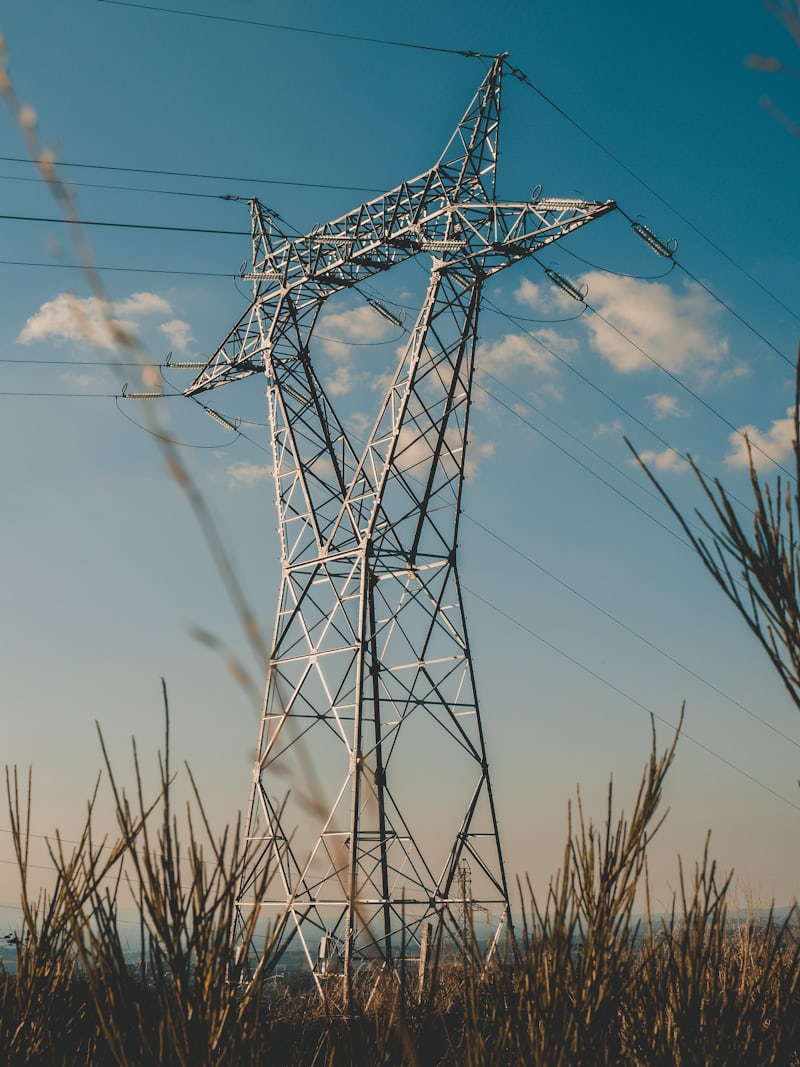
A regional electricity network connecting 15 West African countries is helping utilities buy cheaper power from neighbouring markets, cutting production costs in several countries between 2019 and 2025.
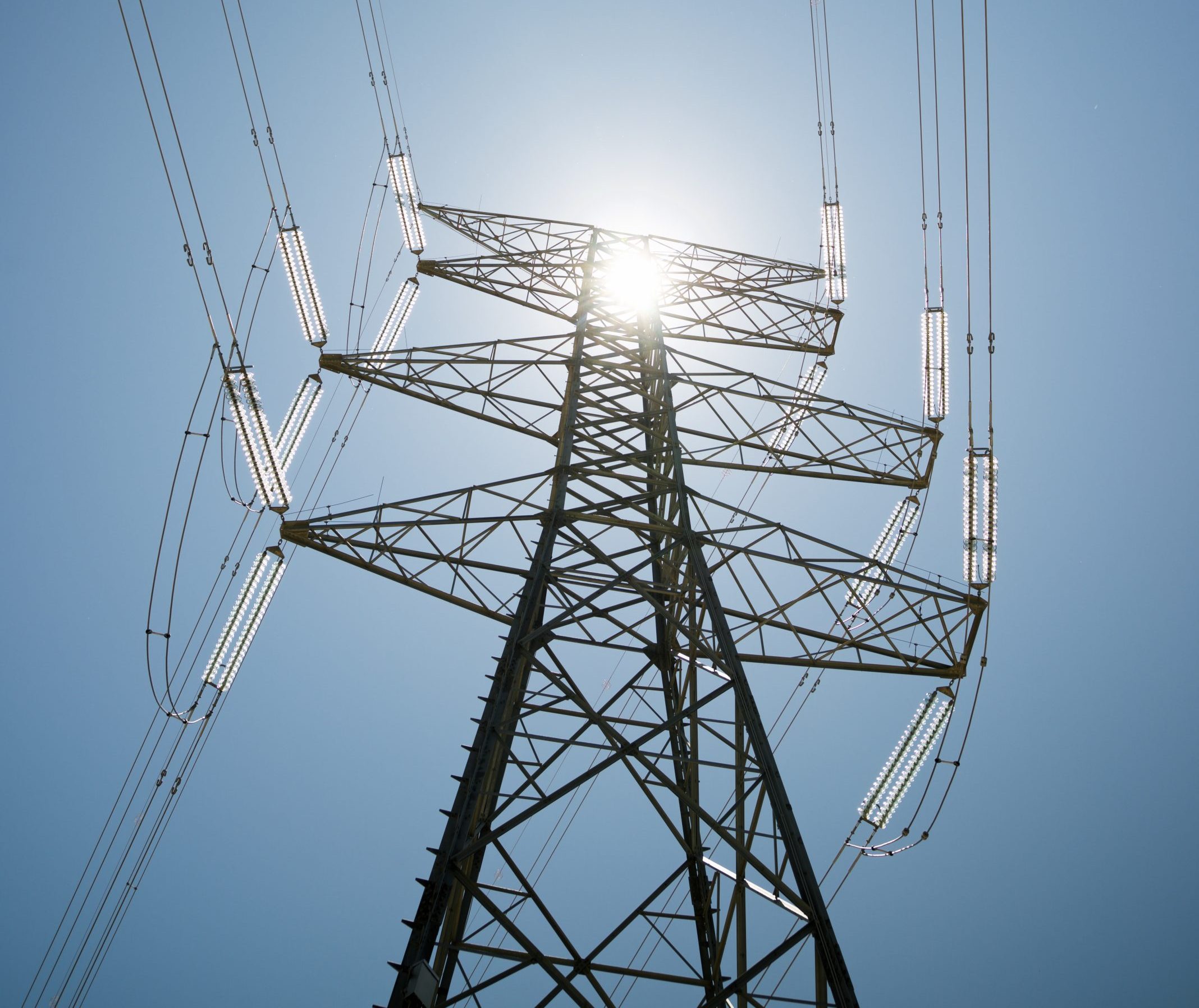
The World Bank said the network, covering more than 4,000 kilometres of high-voltage transmission lines, has also helped more than three million people gain electricity services.
The development addresses a long-standing problem in the region: some countries had electricity they could not export, even as neighbouring countries faced shortages.
The regional network now gives those countries a route to send electricity across national borders. This has made hydropower and other lower-cost generation available to utilities that previously relied more heavily on costly fuel-based generation.
The main benefit, for electricity users, is a lower cost of producing power. For utilities, access to cheaper electricity can reduce the amount spent on generation.
Utilities record savings from imported power
The clearest results have been recorded in Guinea-Bissau, The Gambia, Liberia and Sierra Leone.
In Guinea-Bissau, the transmission loop connecting Guinea, Guinea-Bissau, The Gambia and Senegal helped EAGB reduce its generation cost from about 25 US cents per kilowatt-hour to 11 US cents.
The Gambia’s utility, NAWEC, recorded about 42 per cent in cost savings and returned to profitability through the regional system.
Liberia and Sierra Leone have also benefited from electricity supplied from Ivory Coast through the Côte d’Ivoire-Liberia-Sierra Leone-Guinea network.
The World Bank said the arrangement reduced their generation costs by between 10 and 20 per cent.
These results show how shared electricity infrastructure can affect the finances of national power companies. Instead of depending only on electricity produced within their borders, utilities can obtain supply from another connected country.
The regional network includes three major transmission projects: the Côte d’Ivoire-Liberia-Sierra Leone-Guinea line, the Guinea-Guinea-Bissau-The Gambia-Senegal transmission loop and the Senegal-Mali interconnector.
The projects are part of a regional system designed to allow electricity to be traded between countries.
West Africa now trades electricity across borders at a level equal to about eight per cent of electricity generated in the region. The World Bank said this puts the region closer to the 10 to 12 per cent level for cross-border electricity trade in the European Union.
Three million people gain electricity services
The power network has also supported access to electricity.
The World Bank said more than three million people in Burkina Faso, Guinea, Liberia, Senegal, Sierra Leone and The Gambia gained access to electricity services between 2019 and 2025 after transmission and distribution infrastructure was upgraded.
The regional system is also developing into a formal electricity market.
The West African Power Pool and the ECOWAS Regional Electricity Regulatory Authority are supporting that market. Regulators validated tariffs for a new Day-Ahead Market in late 2025.
The market will allow utilities to buy electricity in advance at lower costs and reduce dependence on expensive emergency generation during shortages.
Another technical test has also taken place. The West African Power Pool completed its first grid-synchronisation trial, with uninterrupted electricity flows recorded across 12 countries.
The programme has produced economic benefits outside electricity supply. More than 52,000 direct and indirect jobs have been created in engineering, construction, logistics, project management, operations and maintenance.
The World Bank said more interconnector projects are being prepared to expand electricity access and support economic growth across West Africa.
Related Stories
Sign up for our newsletter.
Get the latest news, expert analysis, and industry insights delivered straight to your inbox. Join thousands of professionals shaping the future of energy.
By submitting my information, I agree to the Privacy Policy and Terms of Service.