Climate & Sustainablity |Renewables
Nigeria’s Clean Energy Goal Faces Data Challenge, NASENI Warns
NASENI says Nigeria can meet its 2060 net-zero target, but poor data on renewable energy projects may slow planning, monitoring and climate finance opportunities.
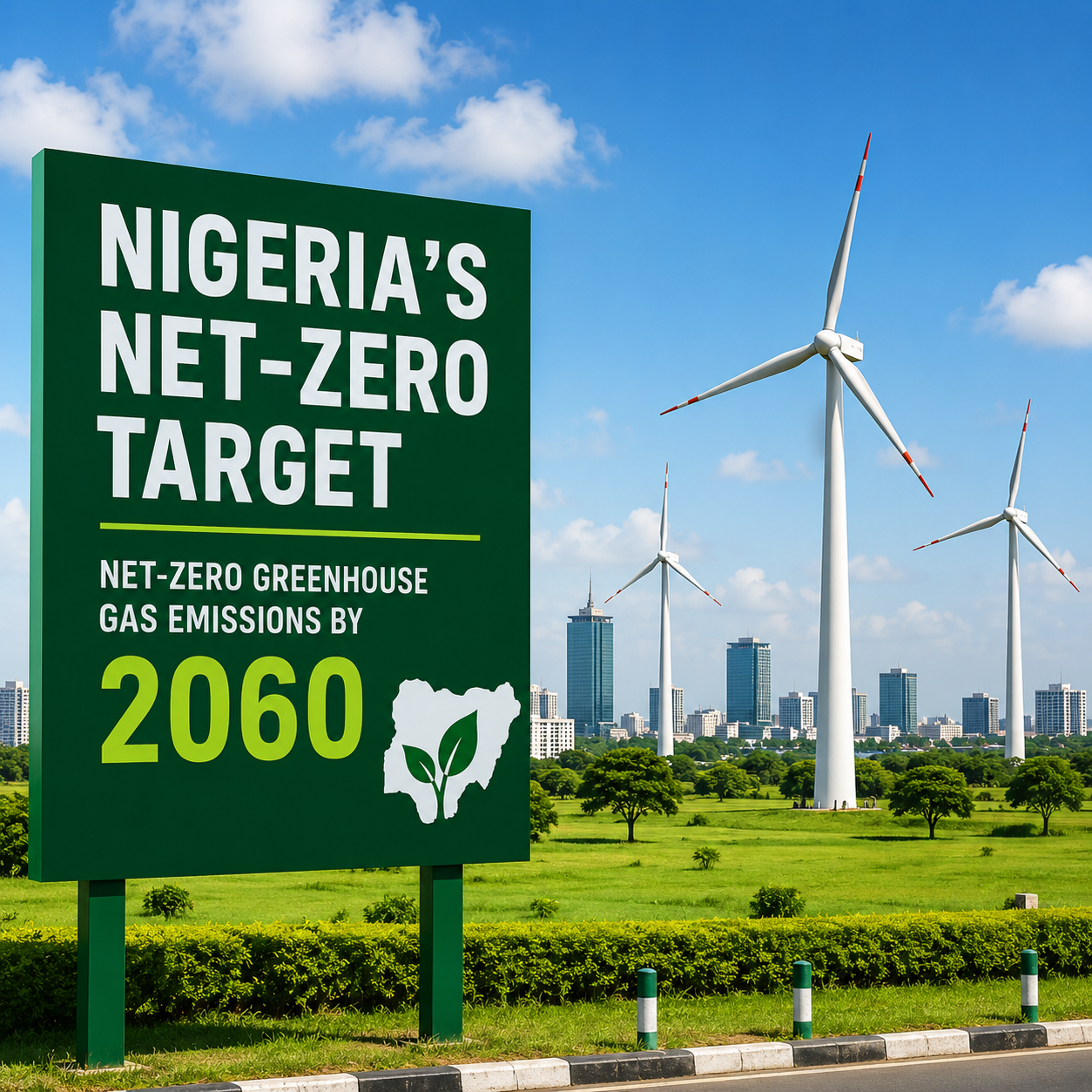
Nigeria may struggle to properly track its journey to net-zero emissions by 2060 if gaps in renewable energy data are not addressed, the National Agency for Science and Engineering Infrastructure (NASENI) has said.
The agency raised the concern at a renewable energy and environmental sustainability workshop held in Abuja by AtoB Technology Limited and NASENI. It stated that the lack of complete and coordinated information on renewable energy projects and users remains a major obstacle.
Poor records hinder progress monitoring
A representative of NASENI, Engr Edith Aja, said reliable data is important for measuring progress towards the country’s climate goals.
She noted that poor records make it difficult to know the true state of renewable energy development in the country. She also said the challenge could limit opportunities available through climate finance programmes.
Aja stressed that proper information gathering and management would help decision-makers understand where improvements are needed and where support should be directed.
She said awareness programmes are also important because people need to understand how their actions can help reduce emissions and support the use of cleaner energy sources.
Nigeria still confident of meeting 2060 target
Despite the data challenge, NASENI said Nigeria can still achieve its net-zero emissions target by 2060.
Aja explained that many countries have set different timelines and plans for reaching carbon neutrality. She said Nigeria’s target remains achievable if government, businesses and citizens continue to support climate action and renewable energy use.
“Different countries have set different timelines for achieving net-zero emissions. Countries such as China, India and others have established their own targets and implementation strategies. Nigeria also has its own target, which is 2060, and achieving it will require significant effort, but it is feasible,” she said.
Nigeria pledged to achieve net-zero emissions by 2060 at the 2021 United Nations Climate Change Conference, known as COP26, in Glasgow.
The commitment forms part of efforts under the Paris Agreement, which aims to reduce the effects of climate change by limiting global warming and encouraging cleaner energy systems.
NASENI maintained that with stronger public participation, better planning and improved data collection, the country can stay on track towards meeting its long-term climate target.
Related Stories
Sign up for our newsletter.
Get the latest news, expert analysis, and industry insights delivered straight to your inbox. Join thousands of professionals shaping the future of energy.
By submitting my information, I agree to the Privacy Policy and Terms of Service.