Renewables
Nigeria to Host Sub-Saharan Africa’s Largest Solar-Powered Steel Plant
The planned solar-powered steel plant could mark a major step for Nigeria’s industrial ambitions, bringing new jobs, fresh investment and a stronger role for renewable energy in powering local manufacturing.
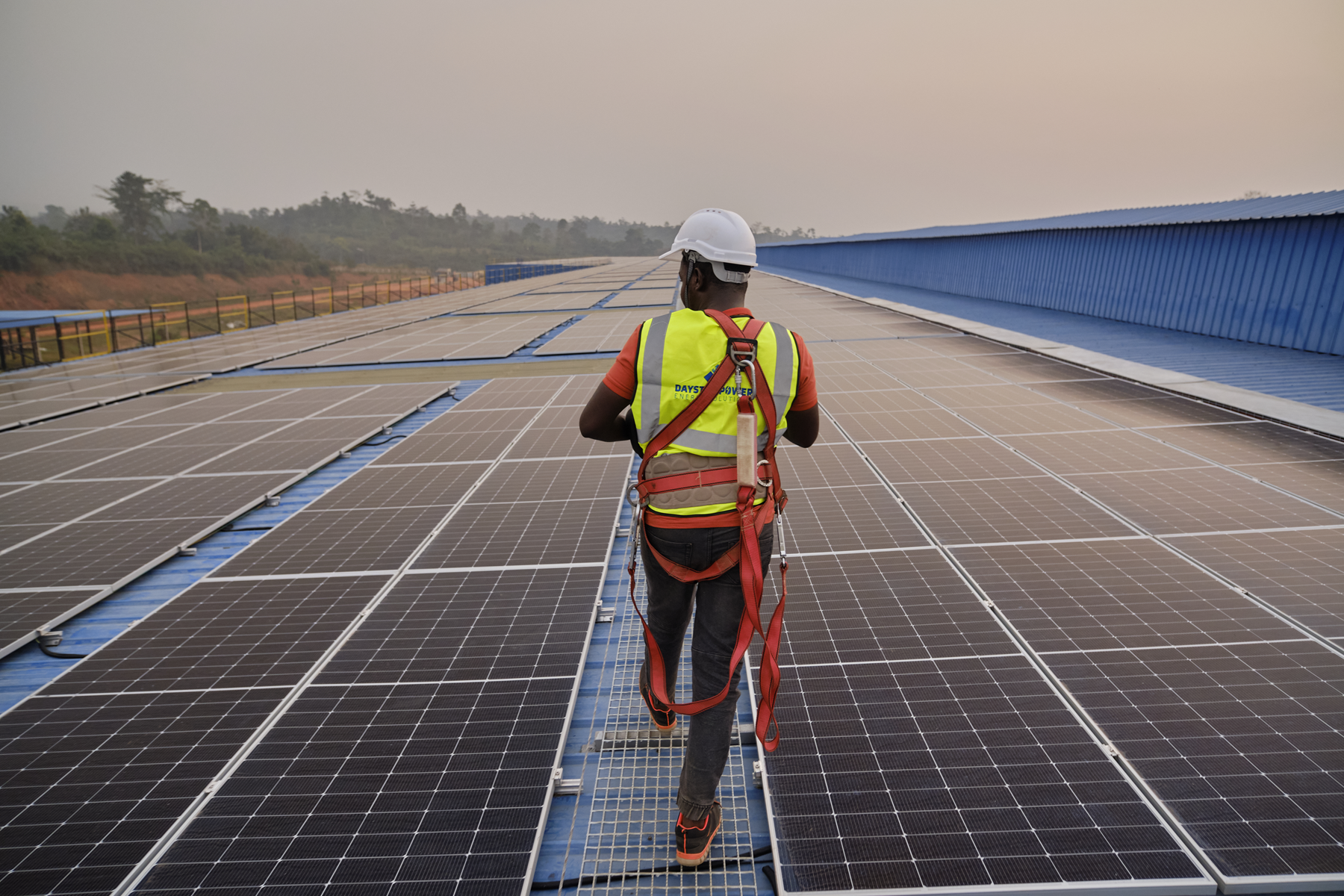
Nigeria is set to host what could become the largest solar-powered industrial steel project in sub-Saharan Africa after the Niger State Government allocated 500 hectares of land to Abuja Steel Mills Limited, a subsidiary of the African Industries Group.
Speaking at the groundbreaking and land handover ceremony, the Chairman of African Industries Group, Raj Gupta, said the project would strengthen Nigeria’s position in both the global steel industry and the renewable energy sector.
Gupta said the group, which has operated in Nigeria for more than 50 years, views the investment as an opportunity to drive industrial development, create jobs and empower communities.
“This project will perhaps be the largest in sub-Saharan Africa, putting Nigeria not only on the world steel map but also on the world’s renewable energy map,” he said.
Government backs industrialisation drive
The Minister of Power, Joseph Tegbe, said the Federal Government remains committed to reforming the power sector to support industrial growth and attract private investment.
He commended Niger State Governor Mohammed Bago for creating an enabling environment for investors and said efforts were ongoing to address longstanding challenges in the electricity sector.
“We are working to resolve the fundamental contradictions that have made electricity a source of national frustration rather than national productivity,” Tegbe said.
The Minister of Steel Development, Shuaibu Audu, said the project aligns with President Bola Tinubu’s ambition of growing Nigeria’s economy to $1 trillion by 2030.
According to him, investments of this scale would strengthen industrial capacity, boost economic growth and support national development objectives.
Governor Bago said the land allocation forms part of his administration’s broader strategy to transform Niger State into a major industrial hub.
He disclosed plans to gazette an additional 200,000 hectares of land to attract more large-scale investments and urged the company to prioritise local employment opportunities.
The Minister of State for Industry, John Enoh, also stressed the importance of private-sector participation in implementing the National Industrial Policy, noting that manufacturing and productivity remain central to Nigeria’s economic growth agenda.
He said projects such as the proposed steel plant could help reduce import dependence while creating significant employment opportunities across the value chain.
Related Stories
Sign up for our newsletter.
Get the latest news, expert analysis, and industry insights delivered straight to your inbox. Join thousands of professionals shaping the future of energy.
By submitting my information, I agree to the Privacy Policy and Terms of Service.