Renewables
Africa’s Sea Winds Could Create Nearly Six Million Jobs — Report
Study unveiled at Our Ocean Conference highlights offshore wind, wave, and floating solar potential across Africa’s 30,500km coast, from Morocco to Madagascar.
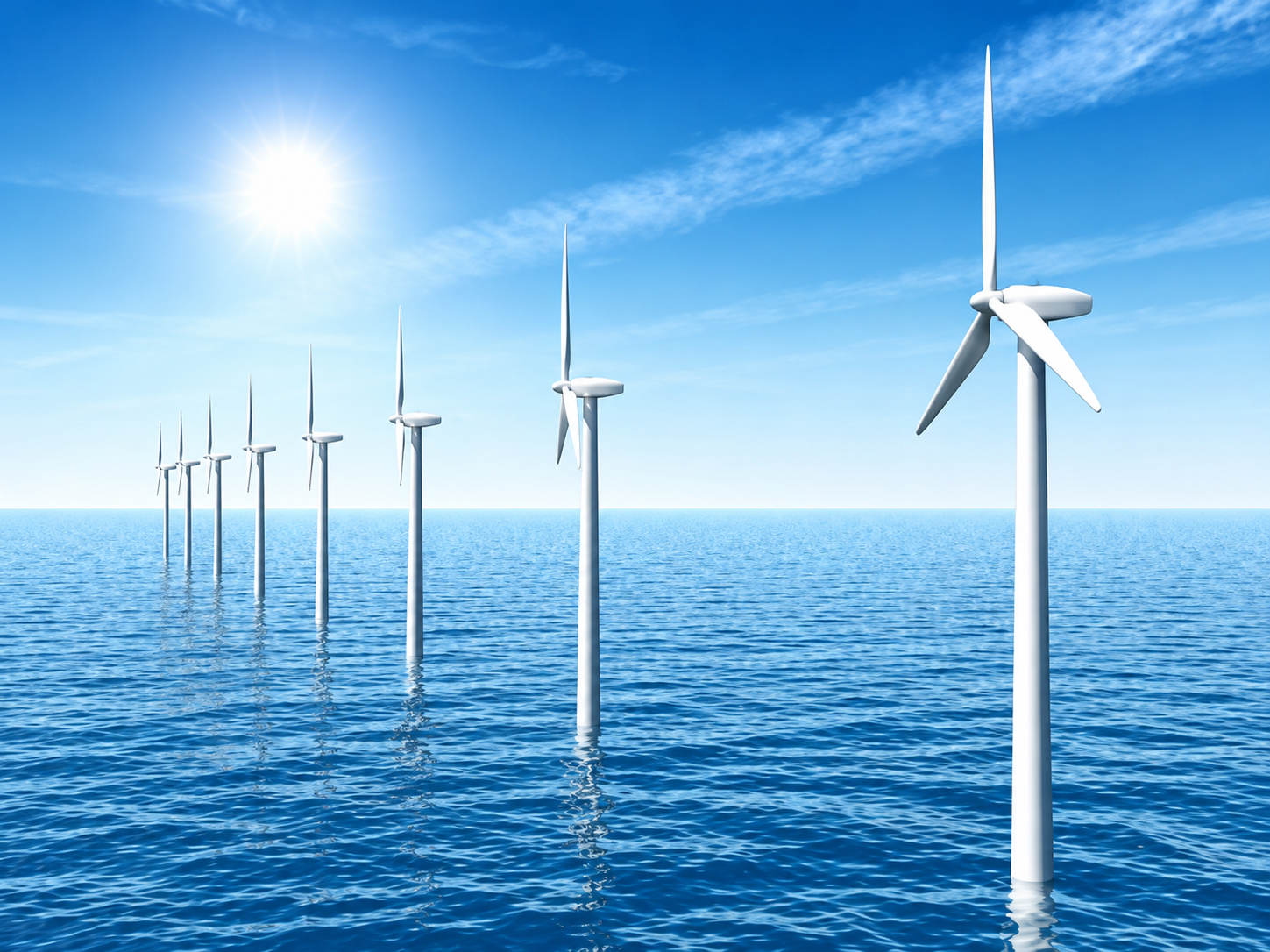
A new report has revealed that Africa’s vast offshore wind resources could create about 5.9 million jobs and unlock more than $1 trillion in economic benefits if properly developed, offering fresh hope for economic growth in many coastal countries.
The report, released by Zero Carbon Analytics in partnership with the Global Offshore Wind Alliance (GOWA) and Ocean Conservancy, said Africa’s coastline could become a major source of employment, investment and electricity supply in the coming years.
Energy potential promises job creation
According to the report, using just five per cent of Africa’s offshore wind potential could add 338 gigawatts of electricity generation capacity. This is more than double the continent’s current installed power capacity.
It is believed that the opportunity goes beyond generating electricity. The report maintained that offshore renewable energy projects could create jobs in construction, engineering, port operations, maintenance, transport and other support services.
The study was unveiled during the 11th Our Ocean Conference and examined renewable energy opportunities along Africa’s 30,500-kilometre coastline.
Several African countries were identified as being well placed to benefit from offshore wind development. They include South Africa, Namibia, Morocco, Mauritius and Madagascar. Kenya and Somalia were also highlighted for their significant offshore wind potential.
Experts believe in economic opportunities ahead
Former Madagascar Minister for Fisheries and Blue Economy, Paubert Mahatante, said the sector could become a major driver of economic growth.
“Africa's blue economy is increasingly recognised as a major driver of future growth, spanning sectors such as renewable energy, fisheries and aquaculture, maritime transport, tourism and coastal and marine ecosystem restoration,” he said.
He added that offshore renewable energy could help countries diversify their energy sources, improve energy security and reduce dependence on expensive fossil fuels.
The report also noted that Africa’s marine energy opportunities are not limited to offshore wind. Other technologies such as wave energy, ocean currents, floating solar systems and ocean thermal energy could also contribute to economic development.
Ocean Conservancy’s Director of International Climate and Clean Energy, Shamini Selvaratnam, described the resource as an untapped economic asset.
“The wind off Africa's coasts is an economic engine waiting to be switched on,” Selvaratnam said.
“With bold investment and regional cooperation, offshore wind can power homes and businesses, create jobs, and drive sustainable growth while helping address the climate crisis.”
GOWA Executive Director Amisha Patel said Africa’s blue economy can no longer be ignored.
“Africa’s blue economy is an opportunity that can no longer remain untapped,” Patel stated.
However, the report stressed that achieving these benefits will require strong cooperation between governments, investors, development finance institutions and industry players.
The report recommends long-term planning, investment in ports and electricity infrastructure, workforce training and policies that protect marine ecosystems while ensuring local communities benefit from future projects.
Related Stories
Sign up for our newsletter.
Get the latest news, expert analysis, and industry insights delivered straight to your inbox. Join thousands of professionals shaping the future of energy.
By submitting my information, I agree to the Privacy Policy and Terms of Service.