Power
Nigeria's DARES Faces 424.75MW Power Gap Before 2028
Nigeria’s biggest off-grid electricity programme has connected 5.3 million people, leaving 11 million more to reach before December 2028.
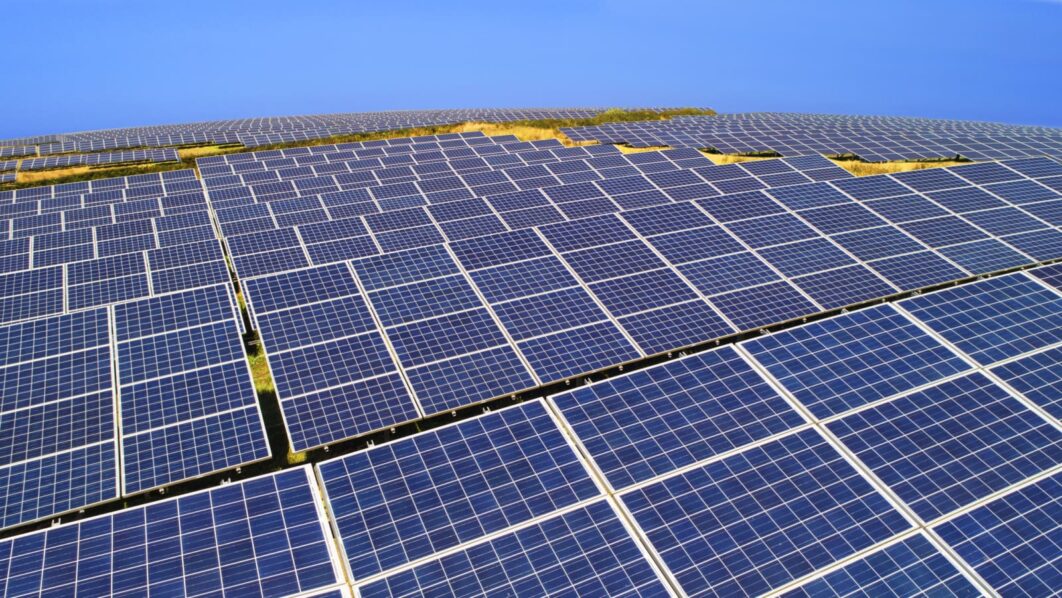
Nigeria’s Distributed Access through Renewable Energy Scale-up project, DARES, has enabled only 41.25 megawatts of renewable power against 465MW planned by December 2028, leaving a 423.75MW gap that could shape electricity access under the programme.
The project has so far extended new or improved electricity to 5.3 million Nigerians out of 16.2 million planned by its December 2028 close. It has also deployed 1.046 million solar home units, compared with 2.75 million planned for the project.
DARES, approved in December 2023, carries three International Development Association credit facilities worth $750 million. The programme is Nigeria’s largest off-grid electricity project.
The figures show that electricity connections have reached about one-third of the number planned for the project. Renewable power capacity, however, stands at less than one-tenth of the 465MW planned.
Solar units record faster progress
Solar home unit deployment has recorded the fastest progress among the programme’s major figures.
The number of units rose from about 709,500 in March to 1.046 million in June. This leaves about 1.704 million units still to be deployed before the project closes in December 2028.
The programme’s renewable capacity has not recorded a similar rise. At 41.25MW in June, it was 423.75MW below the 465MW capacity planned under DARES.
The pace of implementation changed after the Nigerian Electricity Regulatory Commission introduced a new mini-grid framework in April. The commission also granted a derogation that raised the capacity ceiling for DARES-eligible projects to 10MW.
Those regulatory changes satisfied four performance-based conditions built into the project design, the World Bank said. The result was the release of up to $200 million in funding that had been locked under the programme.
A further $243 million has also been pledged, taking fully committed programme funds to more than $430 million.
The World Bank has rated political and governance risk as high under DARES. The macroeconomic risk category also has a high rating, linked to currency volatility and the effects of fuel subsidy reform.
Both risk ratings have stayed unchanged since the project was approved in December 2023.
States face the next test
The programme’s progress will also depend on state-level electricity institutions as Nigeria gives more subnational bodies power to regulate electricity.
Nigeria has transferred electricity regulation to 16 subnational commissions over the past two years. The World Bank’s engagement with the Nigeria Governors’ Forum identified technical assistance for state power sector institutions as necessary.
DARES provides a platform through which states can access that assistance. The Rural Electrification Agency, REA, serves as the nodal agency for bringing states into the programme when they express interest.
The scale of the task is clear from the connection figures. With 5.3 million Nigerians reached out of 16.2 million planned, about 10.9 million people still have to gain new or improved electricity access before December 2028.
The programme’s progress also contrasts with an earlier World Bank-backed power project in Nigeria.
In May, Nigeria and the World Bank agreed to cancel $717.7 million in undisbursed financing under the Power Sector Recovery Programme after its reform milestones were not met. Its closing date was brought forward to May 31, 2026, more than a year ahead of schedule.
The parent programme had recorded gains, including a 71 per cent fall in tariff shortfalls between 2019 and 2022. Regulatory cost recovery also rose from 56 per cent to 94 per cent.
However, its additional financing did not meet the required indicators.
The next two years will be measured against the gap still left in electricity access and renewable capacity. The project has until December 2028 to reach 16.2 million Nigerians and deliver the 465MW renewable capacity built into its design.
Related Stories
Sign up for our newsletter.
Get the latest news, expert analysis, and industry insights delivered straight to your inbox. Join thousands of professionals shaping the future of energy.
By submitting my information, I agree to the Privacy Policy and Terms of Service.