Power
UAE Power Projects Reach South Africa as Africa Investment Tops $168bn
A 120MW solar project in South Africa is one of several UAE-backed energy investments across Africa.
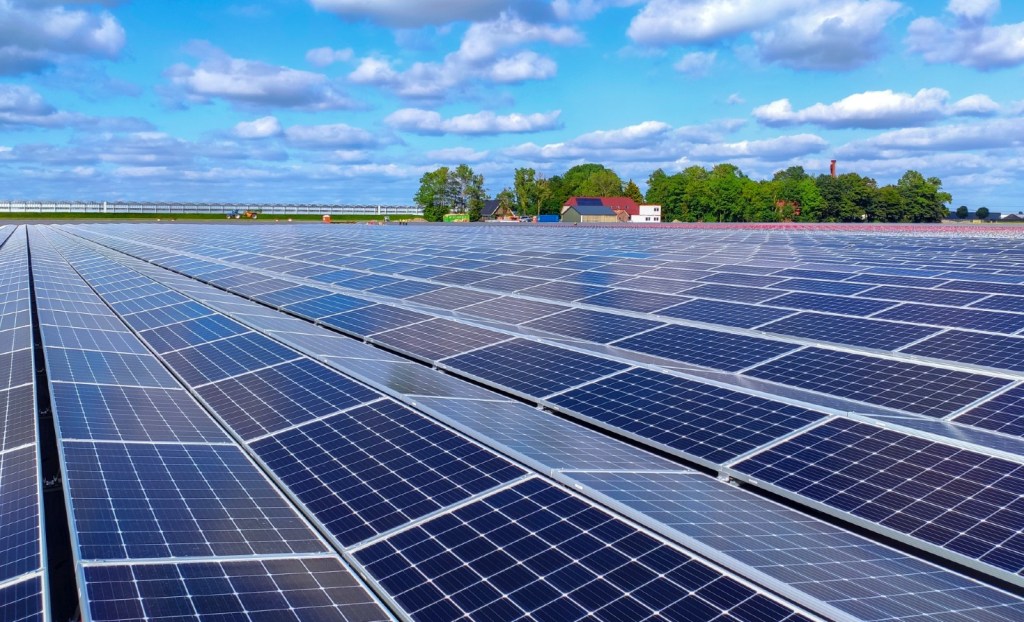
United Arab Emirates' investment in Africa includes a 120-megawatt solar project in South Africa as UAE entities channel capital into renewable power projects across the continent.
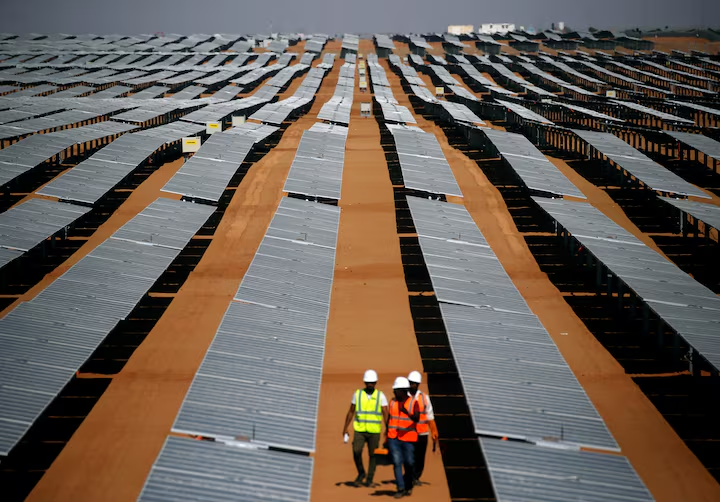
The Doornhoek Solar photovoltaic project in the North West province is being advanced by Dubai-based AMEA Power under a 20-year power purchase agreement with Eskom.
The project will add renewable electricity generation in South Africa, where the government is working to secure its electricity supply.
It is one of the energy projects included in more than US$168 billion in projects announced by UAE entities across Africa since 2017.
The projects covered by the figure span several sectors, but renewable power is among the areas receiving UAE investment. The supplied data also identifies opportunities for renewable energy developers to take part in independent power projects and photovoltaic installations.
Solar project takes shape
AMEA Power is advancing the Doornhoek Solar project in South Africa's North West province. The plant has a planned capacity of 120 megawatts.
The project is backed by a 20-year power purchase agreement with Eskom, South Africa's electricity utility. Such an agreement provides the basis for the plant to supply electricity to the utility over the agreed period.
The project is part of UAE investment in African infrastructure that includes energy alongside technology, transport, agriculture and mining.
The UAE's investment in Africa has exceeded US$168 billion in announced projects since 2017, based on Financial Times analysis cited in the supplied data. The projects cover multiple African economies.
Renewable power is one of the areas where UAE-backed companies are directly involved in electricity generation. The Doornhoek project provides a specific example of private investment being used to add solar power capacity.
Investment opens power opportunities
The supplied data identifies renewable energy developers as one group that can benefit from the growing number of UAE-backed energy projects.
The opportunities include partnerships on independent power projects, photovoltaic installations and long-term agreements with electricity utilities. These projects can involve companies that develop, build and operate renewable power facilities.
The data also states that the long-term value of such investments will depend on how well projects are carried out. It identifies local employment, technical skills, domestic supply chains and technology transfer as important factors.
The UAE's investment portfolio also includes a US$1 billion AI for Development initiative launched in 2025. That fund is designed to finance artificial intelligence projects in African countries, including applications in education, agriculture and healthcare.
Trade infrastructure is another area receiving UAE capital. In Ethiopia, DP World and the government have explored a US$1 billion infrastructure project along the Ethiopian side of the Berbera Corridor.
The proposed facilities include dry ports, warehouses, container yards and cold-chain facilities. These are intended to provide Ethiopian exporters with alternative routes to regional and international markets.
For the power sector, however, the Doornhoek project stands out as a direct investment in electricity generation. Its 120MW capacity and 20-year agreement with Eskom give the project a defined place in South Africa's electricity system.
The UAE's African investment portfolio therefore includes both physical infrastructure and renewable electricity generation.
The South African solar project is one of the clearest examples in the supplied data of UAE capital being used to increase power generation capacity.
Related Stories
Sign up for our newsletter.
Get the latest news, expert analysis, and industry insights delivered straight to your inbox. Join thousands of professionals shaping the future of energy.
By submitting my information, I agree to the Privacy Policy and Terms of Service.