Power |Finance
Batoka Dam Set to Add 2,400MW to Zambia, Zimbabwe Grid
Zambia and Zimbabwe have budgeted $440m in public equity for a hydropower project that could exceed their combined 1,500MW power shortfall.
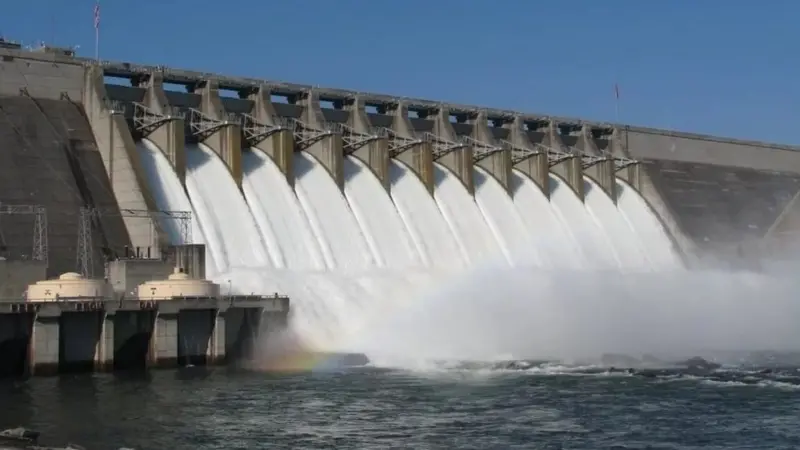
Zambia and Zimbabwe have committed $440 million to the Batoka Gorge hydropower project, giving fresh financial backing to a 2,400MW scheme designed to supply 1,200MW to each country.
The two governments each put $220 million into their 2026 budgets for the dam on the Zambezi River. The project’s planned output is 900MW above the countries’ shared power shortfall of about 1,500MW.
The funding is the first public equity commitment from either country to Batoka Gorge, a project first conceived in 1972. The financial backing is expected to support the development of the dam and its two power stations.
The Zambezi River Authority, ZRA, which oversees the project, is now preparing for formal procurement. The authority held a market sounding session at the Africa Energy Forum in Cape Town on June 17 as part of preparations for that process.
The project involves a 181-metre arch-gravity dam with two surface power stations. One station will stand on each bank of the Zambezi River, with the 2,400MW output split equally between Zambia and Zimbabwe.
1,200MW for each country
Each country is expected to receive 1,200MW from Batoka Gorge once the scheme is developed.
The planned output gives the project a major place in the power plans of both countries. Their combined electricity shortfall is put at about 1,500MW, meaning Batoka’s 2,400MW capacity is 900MW above that gap.
The ZRA Council of Ministers approved the $220 million contributions from each country at its 43rd meeting in December 2025.
The council also created a resource mobilisation committee led by the finance ministers of Zambia and Zimbabwe. The committee is responsible for raising the rest of the public funding needed for the dam infrastructure.
The council directed that project timelines be revised based on agreements reached by Zimbabwean President Emmerson Mnangagwa and Zambian President Hakainde Hichilema at their Bi-National Commission meeting in Zimbabwe in November 2025.
ZRA, the two governments, ZESCO Limited and ZESA Holdings are involved in preparing the project for procurement. AFRY has also been updating project studies since December.
The project is being developed under a public-private partnership model, with equity partnerships being explored to make the scheme more attractive to investors.
That structure comes after an earlier procurement process ended without the project being built. General Electric and PowerChina received an award in 2019, but Zambia withdrew from the arrangement in 2023, citing procurement irregularities.
The project has been retendering since then.
Another Zambezi scheme in pipeline
Batoka Gorge is also being considered alongside another proposed hydropower project on the Zambezi River.
The Devils Gorge Hydro-Electric Scheme is currently undergoing prefeasibility work by Tractebel Engineering. The company has produced an inception report as well as environmental and social screening.
Batoka Gorge has also faced environmental questions because of its location upstream from Victoria Falls. UNESCO granted permission for the project to proceed in late 2023 despite objections over its proximity to the falls, which are about 47 to 54 kilometres downstream.
The dam is designed to generate electricity from the Zambezi through two power stations located on opposite banks.
The project’s public funding commitment comes at a time when both countries face a combined power shortfall of about 1,500MW. Its proposed 2,400MW output would provide 1,200MW to Zambia and 1,200MW to Zimbabwe.
Not all assessments of the project’s economics have been favourable. Eddie Cross, a former Zimbabwean legislator and adviser to the Reserve Bank of Zimbabwe, has said Batoka could be expensive to operate.
Cross has also said sites on the lower Zambezi in Mozambique could be more productive because of inflows from the Kafue, Luangwa and Shire rivers.
The formal procurement process will now provide an opportunity for potential developers to assess the project under its new funding structure.
Related Stories
Sign up for our newsletter.
Get the latest news, expert analysis, and industry insights delivered straight to your inbox. Join thousands of professionals shaping the future of energy.
By submitting my information, I agree to the Privacy Policy and Terms of Service.