Oil & Gas
Kenya: Nyoro Gives Ruto 14 Days to Release Dangote Refinery Deal
Nyoro's 14-day ultimatum puts the Sh2.2tn Dangote Lamu refinery under scrutiny over ownership, land and fuel costs.
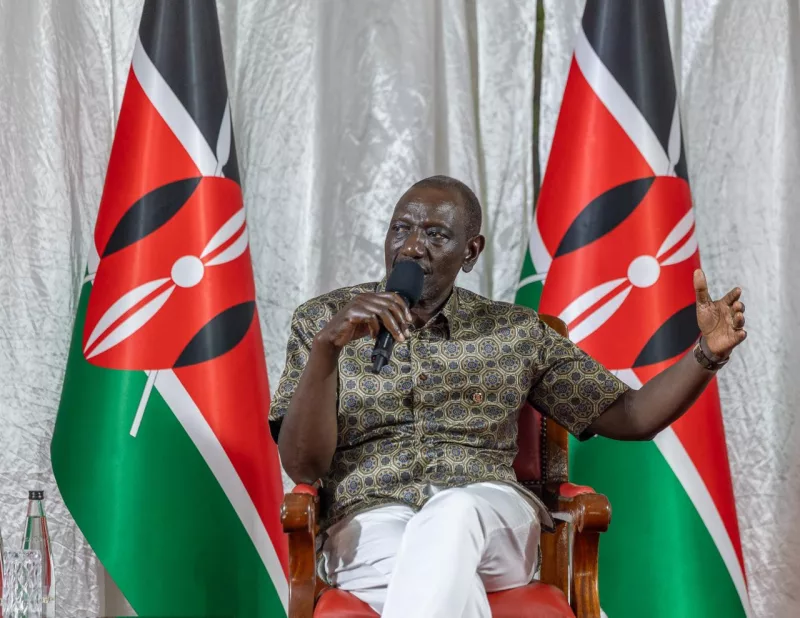
Kiharu MP Ndindi Nyoro has given President William Ruto 14 days to publish the investment agreement and shareholder register for the Sh2.2 trillion Dangote refinery in Lamu, saying he will release the documents himself if the government does not, days after construction was launched.
Nyoro, who leads the People's Party of Kenya, said Kenyans are entitled to know who owns the Kenyan company behind the project and what the government has committed.
He argued that Dangote East Africa Refinery, the company set up for the Lamu project, should not be treated as the same entity as Aliko Dangote's refinery in Nigeria.
He also asked how much land Kenya is contributing, what it is worth and whether it will translate into an equity stake.
The refinery would turn crude oil into petrol, diesel and other fuels, at up to 700,000 barrels a day.
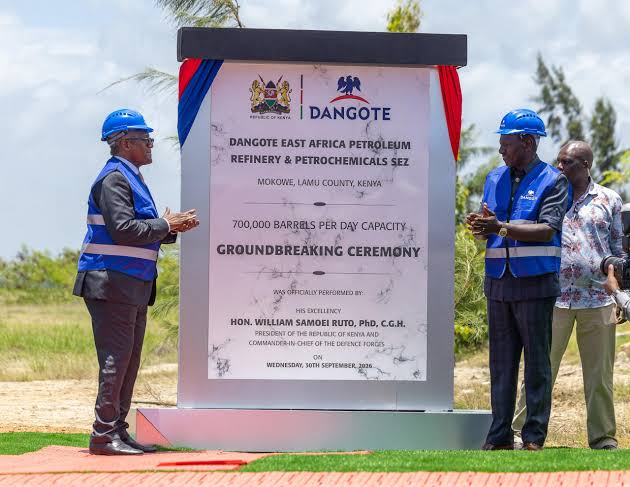
Ruto and Mr Dangote broke ground on the project on September 30, with regional leaders, including Uganda's Yoweri Museveni and Ethiopia's Abiy Ahmed, at the ceremony.
Ruto said it would create more than 60,000 direct and indirect jobs, while Mr Dangote said the plant would take 40 months to build.
Ownership and financing remain unsettled
The government has said it will take part through the National Infrastructure Fund.
Treasury Cabinet Secretary John Mbadi said Kenya has been allocated a 10 per cent stake, worth about Sh200 billion, which could grow if other East African countries do not take up their shares.
He acknowledged that the ownership structure was not final and did not say when or where the money would come from.
Dangote has offered East African countries a 30 per cent stake in the project.
Ruto has rejected demands made at rallies and told critics to use parliamentary procedures.
His allies, including National Assembly Majority Leader Kimani Ichung'wah, Senate Majority Leader Aaron Cheruiyot and Chief Whip Silvanus Osoro, accuse the critics of trying to derail the investment.
Nairobi Senator Edwin Sifuna has asked the Senate Energy Committee to compel the government to produce the agreement, financing arrangements, land commitments, environmental approvals and records of public participation.
He cited Article 35 of the Constitution, which guarantees access to information held by the State, and said he is not opposed to foreign investment.
Wiper leader Kalonzo Musyoka backs the refinery but wants due process, pointing to earlier controversy over the proposed Adani deals involving Jomo Kenyatta International Airport and the Kenya Electricity Transmission Company.
The Consumers Federation of Kenya and Thirdway Alliance leader Ekuru Aukot have separately demanded details of the project's ownership, procurement and contracts.
Land dispute heads to court
The refinery also faces a legal challenge over land. The Environment and Land Court in Malindi ordered on September 25 that the status quo be maintained on the disputed parcel until a hearing on October 14, but declined to stop the groundbreaking.
The case was filed by 133 residents of Chandavai, who say the land is ancestral and that their families have lived and farmed on it for generations.
They have sued government bodies and Dangote Industries, alleging that the compulsory acquisition process did not follow the law on notices, valuation and compensation.
They also say soil testing began in July.
Some said the land holds homes, religious sites and family graves, and they insist they do not oppose development but want their rights recognised first.
Police fired tear gas at protesting Lamu residents a day before the groundbreaking.
Dangote dismissed the court order, saying such hurdles are normal in Africa.
Ruto assured residents that their concerns would be handled lawfully and that affected families would be compensated where necessary.
He has said the government has identified 9,000 acres and is seeking another 3,000, which would bring the total to about 12,000 acres as the project grows to include a special economic zone and a planned urban centre.
Fuel prices raise the stakes
The row comes as Kenya struggles with the cost of fuel.
Kenya imports all its refined petroleum, so a weaker shilling raises costs before any tax is added. Since 2023, the government has bought fuel on 180-day credit from Saudi and Emirati oil firms.
In April, the Energy and Petroleum Regulatory Authority raised the maximum price of super petrol by Sh28.69 a litre and diesel by Sh40.30. Prices were later cut, to Sh214.03 for petrol and Sh222.86 for diesel in the June 15 to July 14 cycle.
The import arrangement itself has drawn criticism, and a scandal over emergency fuel cargoes forced senior officials out of office.
Supporters say a local refinery would improve fuel reliability. Nigeria offers a reference point.
Dangote's refinery near Lagos, which has a nameplate capacity of 650,000 barrels a day, helped cut Nigeria's petrol imports in February to about 50,000 barrels a day, the lowest in at least nine years.
The government and other respondents have 14 days to file their replies in the Chandavai case ahead of the October 14 hearing, the same window Mr Nyoro has set for the release of the agreement.
Related Stories

Sign up for our newsletter.
Get the latest news, expert analysis, and industry insights delivered straight to your inbox. Join thousands of professionals shaping the future of energy.
By submitting my information, I agree to the Privacy Policy and Terms of Service.