Oil & Gas
South Africa Raises Fuel Prices by Up to R4.77
South African petrol rises up to R3.33 a litre from Wednesday as oil tops $100. Here is what it means for taxi fares, rates and paraffin-reliant homes.
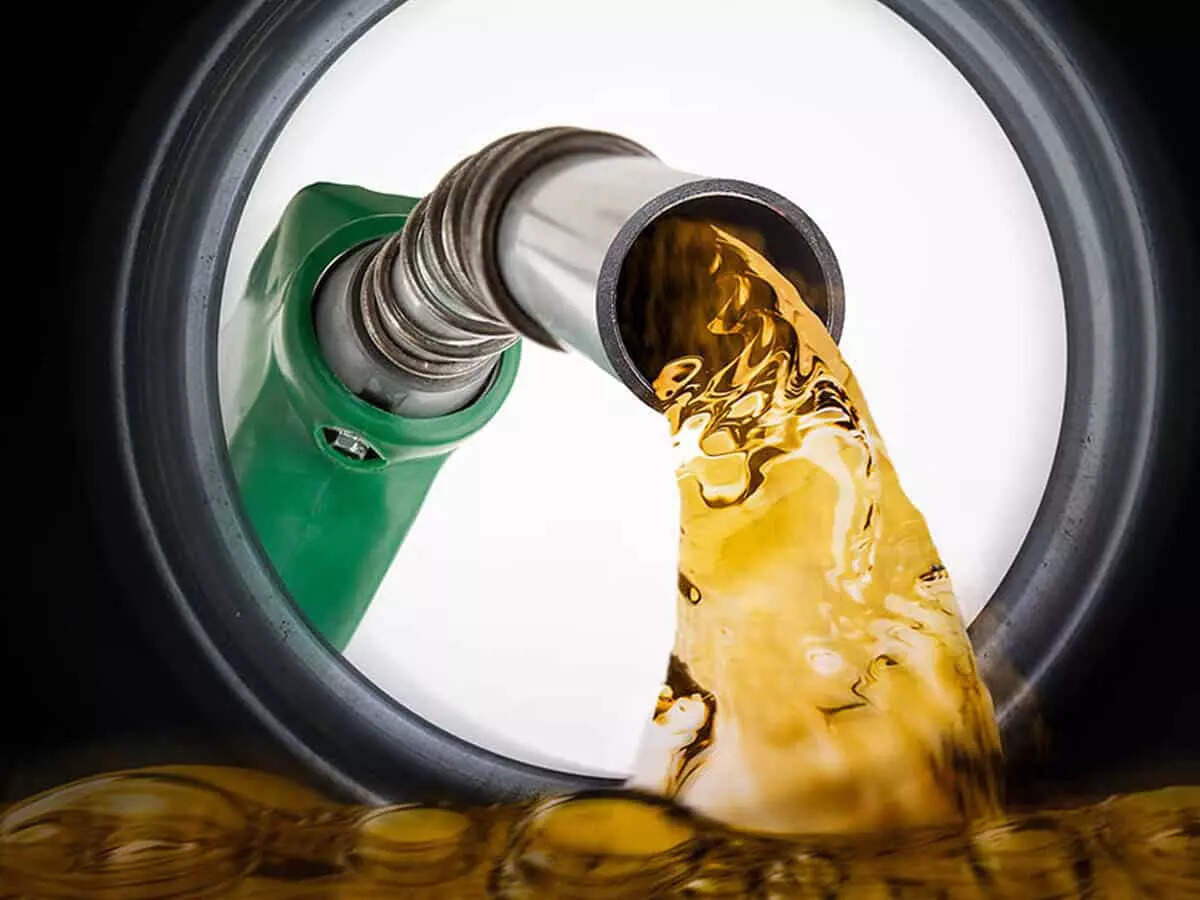
South African motorists will pay up to R3.33 more for every litre of petrol from Wednesday, after the government raised the price of all fuels as tensions between the United States and Iran keep oil above $100 a barrel.
The Department of Mineral and Petroleum Resources (DMPR) said 93-octane petrol will rise by R3.12 and 95-octane by R3.33.
Diesel with 0.05% sulphur goes up by R2.84 and the 0.005% grade by R3.24. Illuminating paraffin, a fuel used mainly by low-income households for cooking, heating and lighting, rises by R3.58 at wholesale and R4.77 at the maximum retail level.
Liquefied petroleum gas goes up by 42 cents, or 48 cents in the Western Cape.
The department said Brent crude, the global oil benchmark, averaged $101 a barrel in the period under review, up from $87.89.
It blamed continued US-Iran tensions, uncertainty over oil flows through the Strait of Hormuz, higher shipping costs and falling inventories.
The strait is a narrow waterway between Iran and Oman that at times carries as much as one-fifth of global daily oil flows.
Lower global stocks of finished products also pushed up international prices of petrol, diesel and paraffin, the department said.
Those pressures added 329.07 cents a litre to the Basic Fuel Price of petrol, 280.17 cents to diesel and 357.23 cents to paraffin.
The Basic Fuel Price is the import-based cost on which South Africa's pump prices are built. A stronger rand trimmed it by only 0.17, 0.22 and 0.21 cents a litre respectively.
The final increases are larger than the Central Energy Fund (CEF), which tracks the factors behind South Africa's regulated fuel prices, had projected. Its data published on September 21 pointed to rises of about R2.66 for 93-octane and R2.83 for 95-octane.
With September inland prices at R26.76 and R26.92, the adjustments would, by simple addition, lift inland petrol to about R29.88 and R30.25 a litre.
The same sum puts 0.005% wholesale diesel near R33.29, from R30.05. Earlier tables showed the previous records as R28.06 for 95-octane petrol in June and R31.88 for the same diesel grade in May.
A year ago, inland 95-octane petrol cost R21.55 a litre, so the new level is roughly R8.70 a litre higher. For a 45-litre tank, the latest R3.33 rise alone adds about R150.
Commuters and borrowers face pressure
South Africa imports most of its crude oil, so oil shocks reach household budgets quickly.
The Competition Commission found that petrol prices rose 26% between January and July 2026, while minibus taxi fares rose 13%.
It warned that commuters may keep paying more even if petrol falls, because taxi fares rarely come down.
The South African National Taxi Council has said the industry gets no direct government subsidy and relies mainly on fare revenue, with fare decisions left to individual associations.
Transport costs have already pushed up prices. Annual consumer inflation reached 5% in June, its highest in two years, with minibus taxi fares recording the steepest monthly increase at 11.5%.
The Congress of South African Trade Unions (Cosatu) said workers spend an average of 40% of their wages on transport and often support up to seven relatives.
The South African Reserve Bank has responded. On September 23 it raised the repo rate by 25 basis points to 7.25%, taking the prime lending rate to 10.75%, which raises repayments for borrowers on variable-rate loans.
Governor Lesetja Kganyago said headline inflation will likely stay above 5% later this year and early next year, before easing as the fuel shock recedes, with a return to about 3% expected towards the end of 2027.
The bank noted that food inflation was at its lowest since 2010, which suggests that fuel costs have not yet fed fully into grocery prices.
Paraffin users lose most
The poorest households are the most exposed. More than 500,000 households rely on paraffin for cooking, heating and lighting, according to Statistics South Africa.
When the government cut the general fuel levy by R3 a litre in April, the relief did not cover paraffin, which carries no such levy.
The retail price of paraffin had by then more than doubled to R23.19 a litre. Community groups warned that families in informal settlements would be unable to afford it, and some had turned to wood fires, despite the health and fire risks.
The new increase of R4.77 on the maximum retail price arrives as that pressure continues.
The DMPR did not say whether it expects oil prices to ease.
Reports in late September revealed that Washington and Tehran were negotiating a deal to reopen the Strait of Hormuz, and the outcome of those talks will shape the next monthly adjustment.
Related Stories

Sign up for our newsletter.
Get the latest news, expert analysis, and industry insights delivered straight to your inbox. Join thousands of professionals shaping the future of energy.
By submitting my information, I agree to the Privacy Policy and Terms of Service.