Oil & Gas
Parliament Tightens Ghana Fuel Subsidy Rules to Curb Revenue Losses
Ghana's Parliament tightens fuel subsidy rules after revenue losses, requiring industrial users to pay levies upfront before claiming refunds to curb abuse.
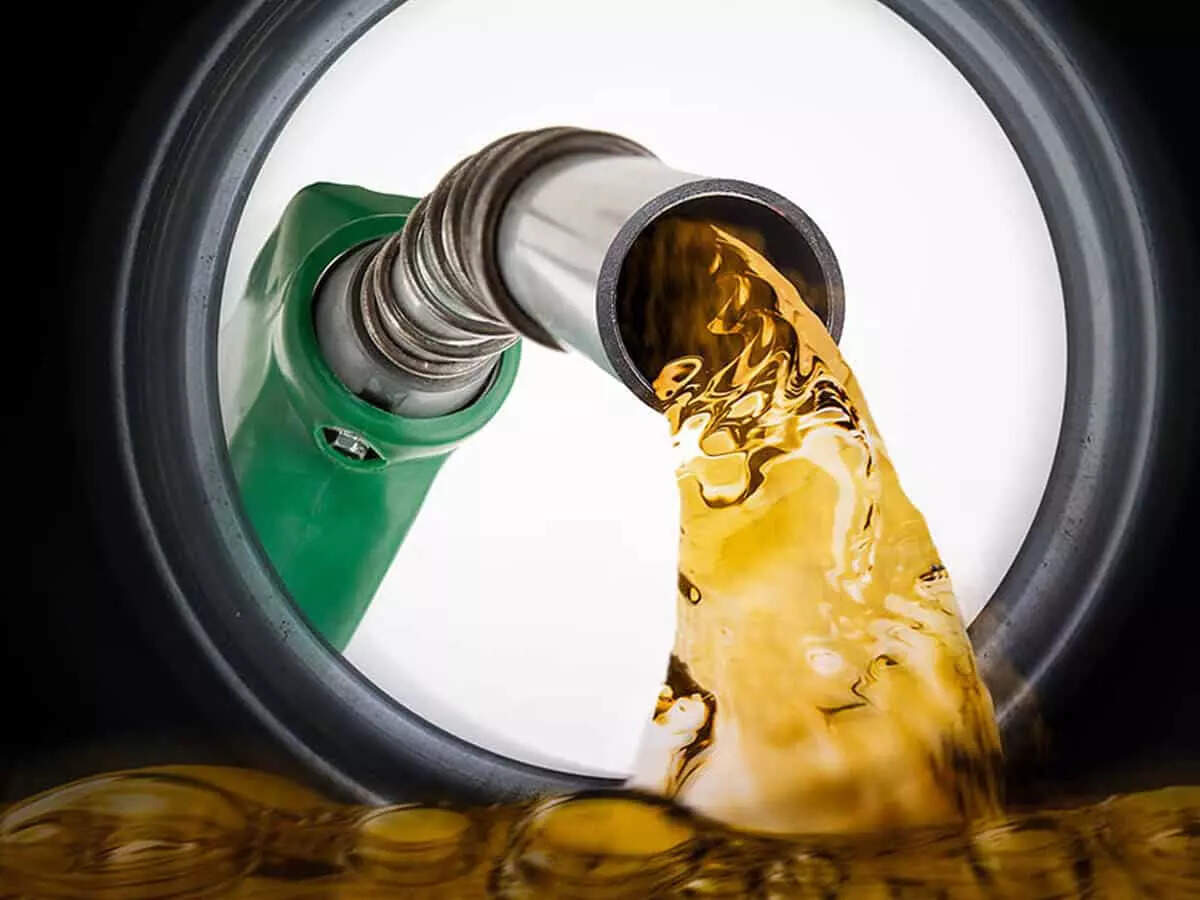
Parliament has passed the Energy Sector Levies (Amendment) Bill, 2026, tightening Ghana's fuel subsidy regime in a move aimed at stopping tax evasion, closing revenue loopholes and ensuring that tax exemptions intended for legitimate industrial users are not abused.
The amendment raises the Energy Sector Shortfall and Debt Repayment Levy on fuel oil from GH¢0.24 per litre to GH¢1.93 per litre, bringing it in line with the rate applied to diesel and marine gas oil. It also extends the Road Fund Levy to fuel oil.
The significance of the changes is that companies using fuel oil for legitimate industrial purposes will no longer receive tax exemptions upfront. Instead, they will pay the applicable levies when importing the product and later apply for refunds, a system the government believes will make it more difficult to exploit the subsidy regime.
The government says the reform is necessary after identifying cases in which diesel was allegedly misclassified as fuel oil to obtain tax exemptions meant for industrial users. It estimates that Ghana lost about $25 million in the first half of 2026 through abuses linked to the subsidy regime and could lose about GH¢1 billion annually if the loopholes remain unchecked.
Fuel subsidy abuse drives reform
Finance Minister, Cassiel Ato Forson, while explaining the amendment to Parliament, said some individuals had been exploiting the existing system by buying diesel, disguising it as fuel oil and using the classification to claim tax exemptions.
"Some individuals are taking advantage and smuggling, buying fuel, buying diesel and disguising it as fuel oil and collecting the taxes on it. We will continue to give that tax exemption to industries. However, instead of ex-ante, this tax exemption will be ex-post," he said.
The government maintains that the amendment does not amount to a new tax increase on petroleum products. Instead, it changes the timing and administration of tax exemptions by moving them from an upfront arrangement to a refund system.
To reduce the financial burden on legitimate businesses that will initially have to pay the levies, the government plans to amend the Revenue Administration Act. The proposed change would cut the period for processing refunds related to industrial fuel-oil purchases from 90 days to 14 days.
"For emphasis, there will not be a tax increase on petroleum products. What we are saying is that we are equally going to amend the Revenue Administration Act to make the tax refund system relating to industries buying fuel oil move from 90 days to 14 days," the minister said.
The reform will strengthen government oversight of petroleum tax exemptions while preserving relief for businesses that genuinely use fuel oil for industrial purposes. By requiring upfront payment followed by refunds, authorities hope to reduce fraudulent claims and ensure that subsidy support reaches its intended beneficiaries.
The measure also comes as Ghana seeks to protect public finances amid mounting revenue pressures. The government's estimate of $25 million in losses during the first six months of 2026 shows the potential cost of maintaining loopholes in the subsidy system.
Should the new framework works as intended, it could improve revenue collection, reduce abuse in the downstream petroleum sector and provide greater transparency in the administration of fuel-related tax exemptions. At the same time, the effectiveness of the reform will depend on the government's ability to process legitimate refunds promptly, particularly as industrial users will now have to finance the levy payments before reimbursement.
The amendment represents a shift in Ghana's approach to fuel subsidies: rather than removing support for legitimate industrial users, the government is seeking to tighten access to the exemptions while making businesses account for the products they import and subsequently claim refunds for.
Related Stories


Sign up for our newsletter.
Get the latest news, expert analysis, and industry insights delivered straight to your inbox. Join thousands of professionals shaping the future of energy.
By submitting my information, I agree to the Privacy Policy and Terms of Service.