Renewables
Sasol Shifts Focus to Large-Scale Renewable Energy Projects in Northern Cape
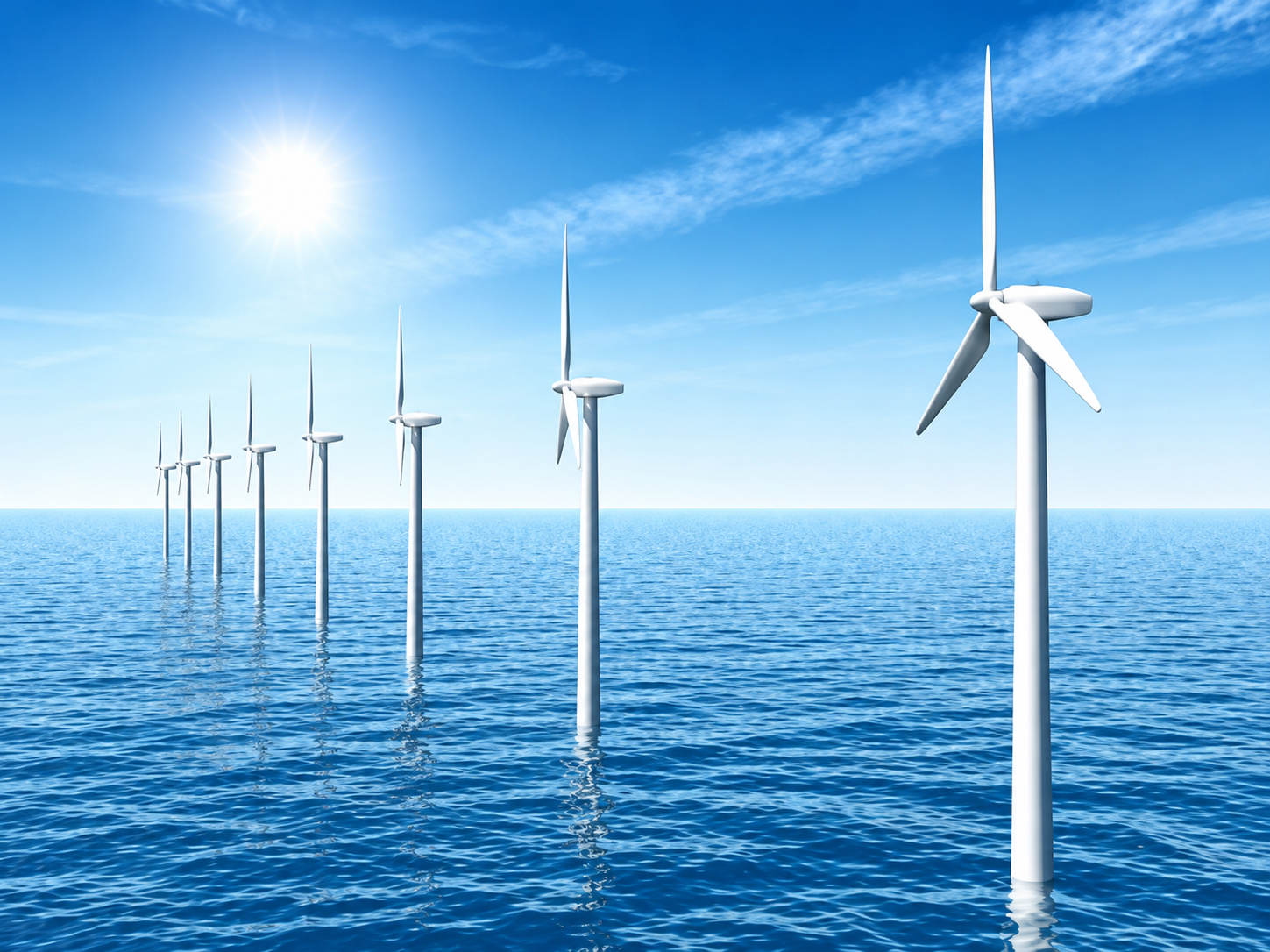
Sasol is expanding renewable energy development in South Africa's Northern Cape as part of plans to support future green hydrogen production and strengthen the region's clean energy economy.
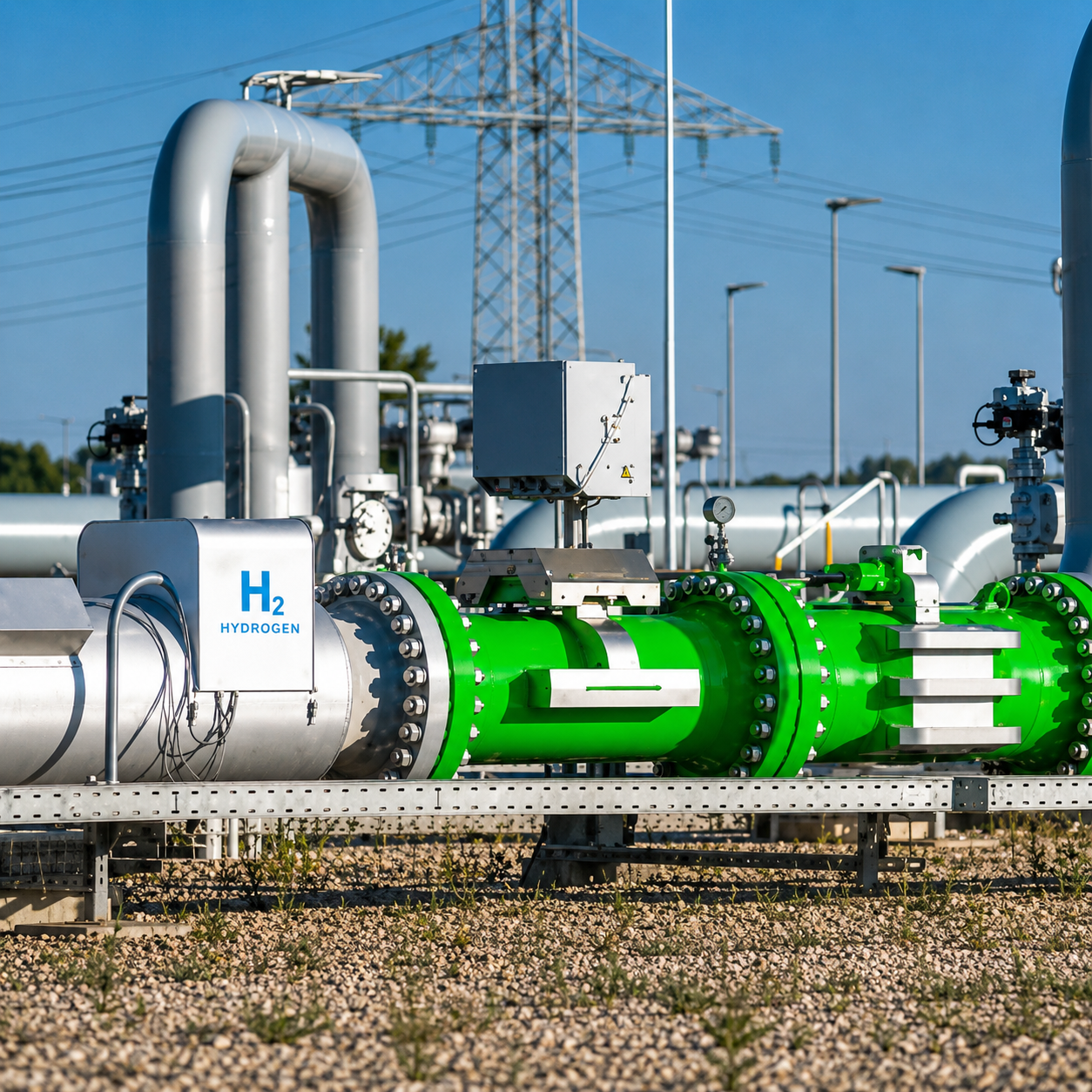
Sasol has unveiled a wider clean energy plan for South Africa's Northern Cape, with a strong focus on expanding solar and wind power projects that will support future green hydrogen production.
The company said the success of a large green hydrogen industry will depend on the rapid development of renewable energy capacity in the years ahead. This has led Sasol to move beyond a single project model and pursue a broader development strategy for the province.
Renewable energy seen as foundation for hydrogen growth
Sasol said competitive green hydrogen production in the 2030s will require major investment in renewable energy projects during the 2020s.
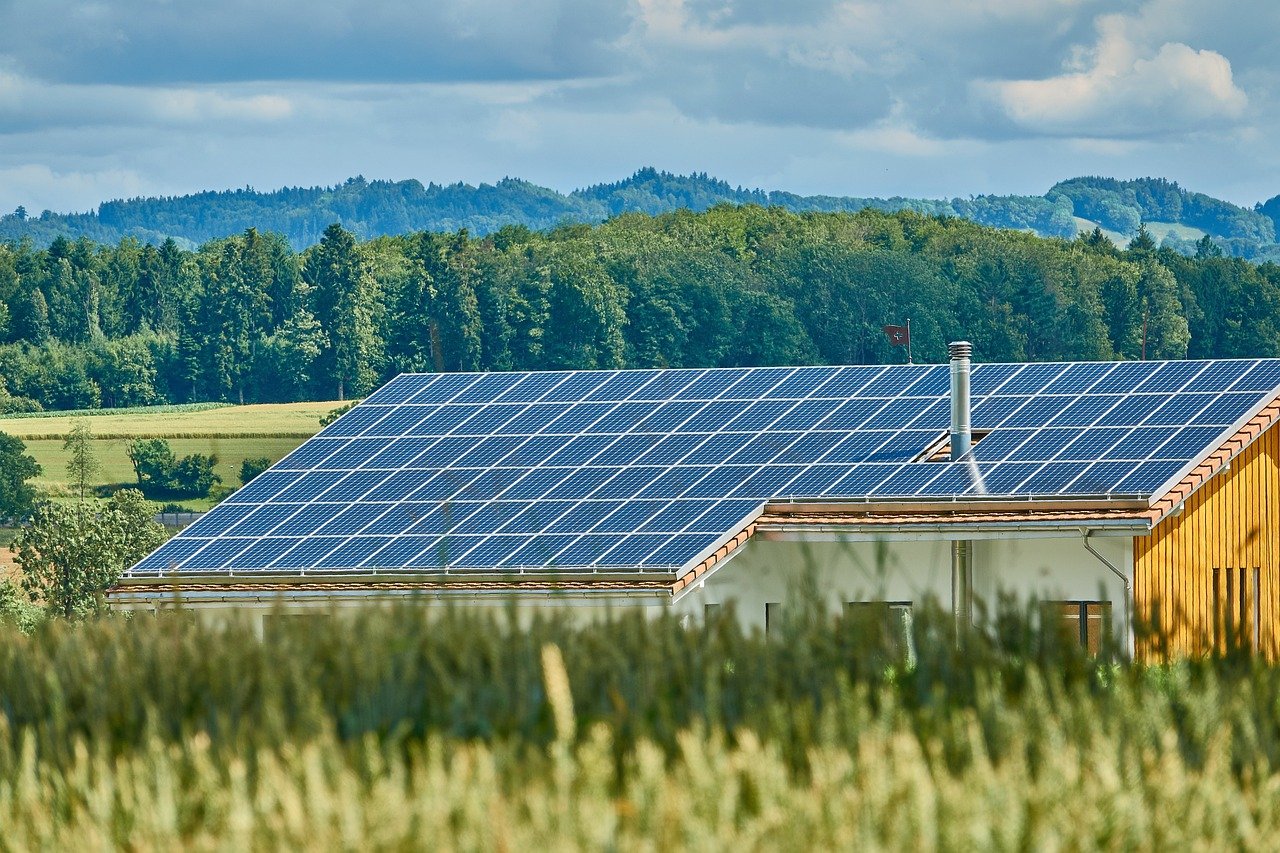
The company believes faster deployment of solar and wind facilities will help create the power needed for future hydrogen production. It also expects renewable energy growth to support industrial activity and improve the long-term cost of producing low-carbon fuels.
The Northern Cape has become a key location for these plans because of its strong solar and wind resources, large land area, and potential for infrastructure development.
Sasol said renewable energy projects in different parts of the province could work together to support a future hydrogen economy rather than relying on a single development site.
Province-wide strategy takes shape
The announcement follows the completion of a pre-feasibility study on the Boegoebaai green hydrogen and ammonia export opportunity. The study confirmed that the project is technically and economically viable.
While Boegoebaai remains an important part of Sasol's plans, the company is now pursuing a wider strategy that covers multiple locations in the Northern Cape.
Under this approach, Boegoebaai could serve as a major anchor project within a larger hydrogen corridor. The area is expected to benefit from plans for a deep-water port and a Special Economic Zone.
Sasol said the wider strategy will require support from government and private sector partners. Key infrastructure such as transmission networks, ports, and logistics facilities will be needed to help the industry grow.
The company also stressed the need for a multi-project and multi-partner model to reduce risk and support both export and local hydrogen markets.
Sasol said it will continue working with stakeholders to help build the infrastructure needed for long-term investment and large-scale clean energy development in the Northern Cape.
Related Stories
Sign up for our newsletter.
Get the latest news, expert analysis, and industry insights delivered straight to your inbox. Join thousands of professionals shaping the future of energy.
By submitting my information, I agree to the Privacy Policy and Terms of Service.