Climate & Sustainablity
Togo Initiates National Clean Cooking Programme Studies
Togo is developing a nationwide framework to scale up clean cooking solutions, with plans to expand access to modern technologies and reduce dependence on firewood and charcoal.
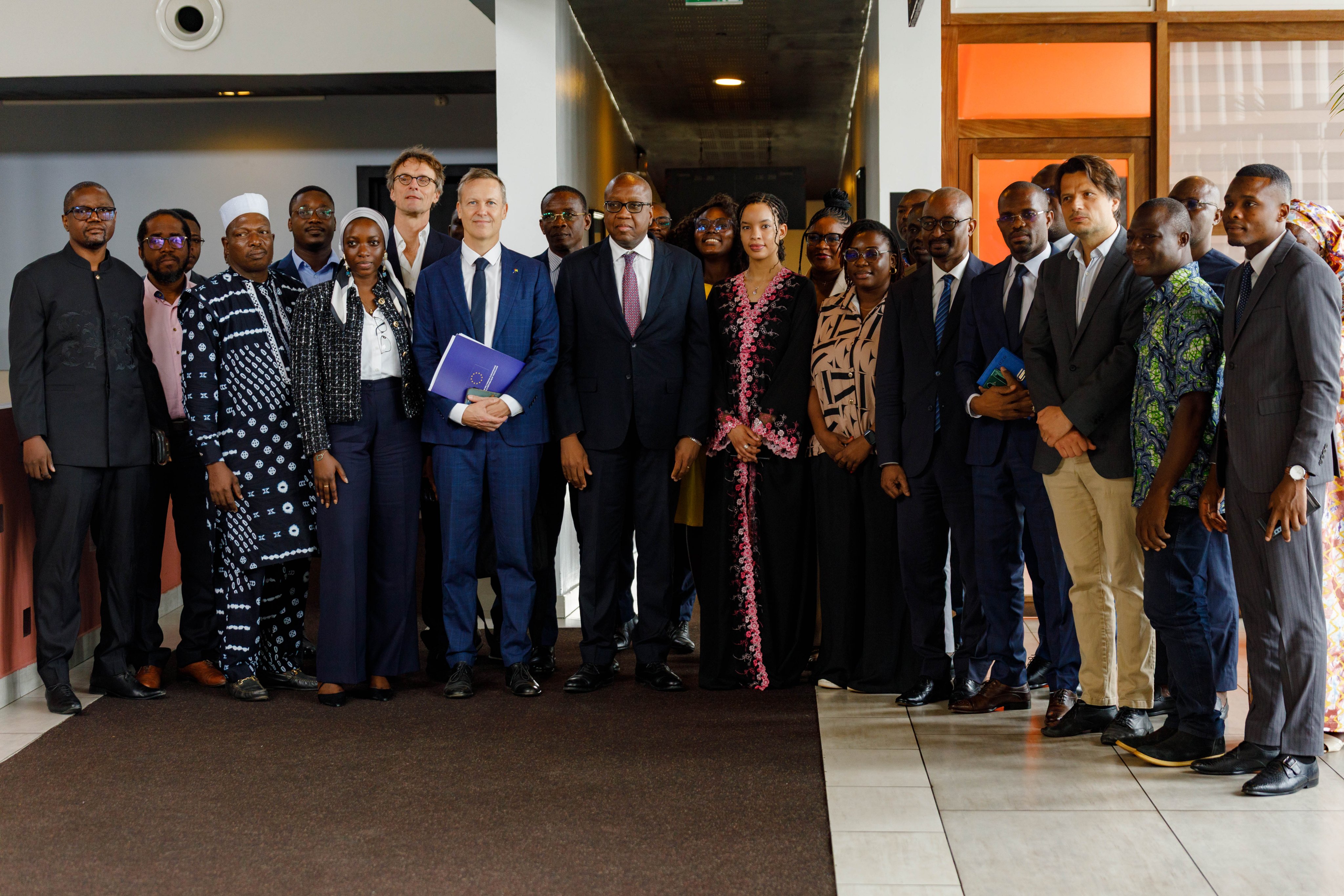
The government of Togo has launched preparatory studies for its National Clean Cooking Access Programme, marking a step toward expanding access to modern and sustainable cooking solutions.
The studies, officially initiated on March 23, will help design a structured and operational national programme. Authorities say the process will involve consultations with private sector players, development partners, and national institutions to ensure the initiative is practical and scalable.
The programme aligns with the objectives of Mission 300, which targets 80 per cent access to clean cooking solutions by 2030. It also supports Togo’s climate commitments under its Nationally Determined Contributions.
Speaking at the launch, the Minister Delegate for Energy and Mineral Resources said the government aims to make clean cooking accessible to the majority of the population within the decade.
The initiative is being implemented with support from the Global Enabling Environment Facility programme, while Netherlands Enterprise Agency has commissioned EED Advisory to provide technical assistance. The European Union is also supporting the studies under the ReCCAWA programme.
Access to clean cooking remains limited in Togo, with many households relying on traditional biomass fuels such as firewood and charcoal. This dependence continues to pose risks to public health, contributes to environmental degradation, and affects living conditions.
The planned programme is meant to address these challenges by promoting cleaner alternatives and improving access to sustainable cooking technologies nationwide.
Related Stories


Sign up for our newsletter.
Get the latest news, expert analysis, and industry insights delivered straight to your inbox. Join thousands of professionals shaping the future of energy.
By submitting my information, I agree to the Privacy Policy and Terms of Service.