Renewables
Zambia Clears Path for 500-MW Solar Project
Zambia's expanding solar pipeline could reduce its reliance on hydropower, strengthen electricity resilience and draw more international capital into renewable energy infrastructure
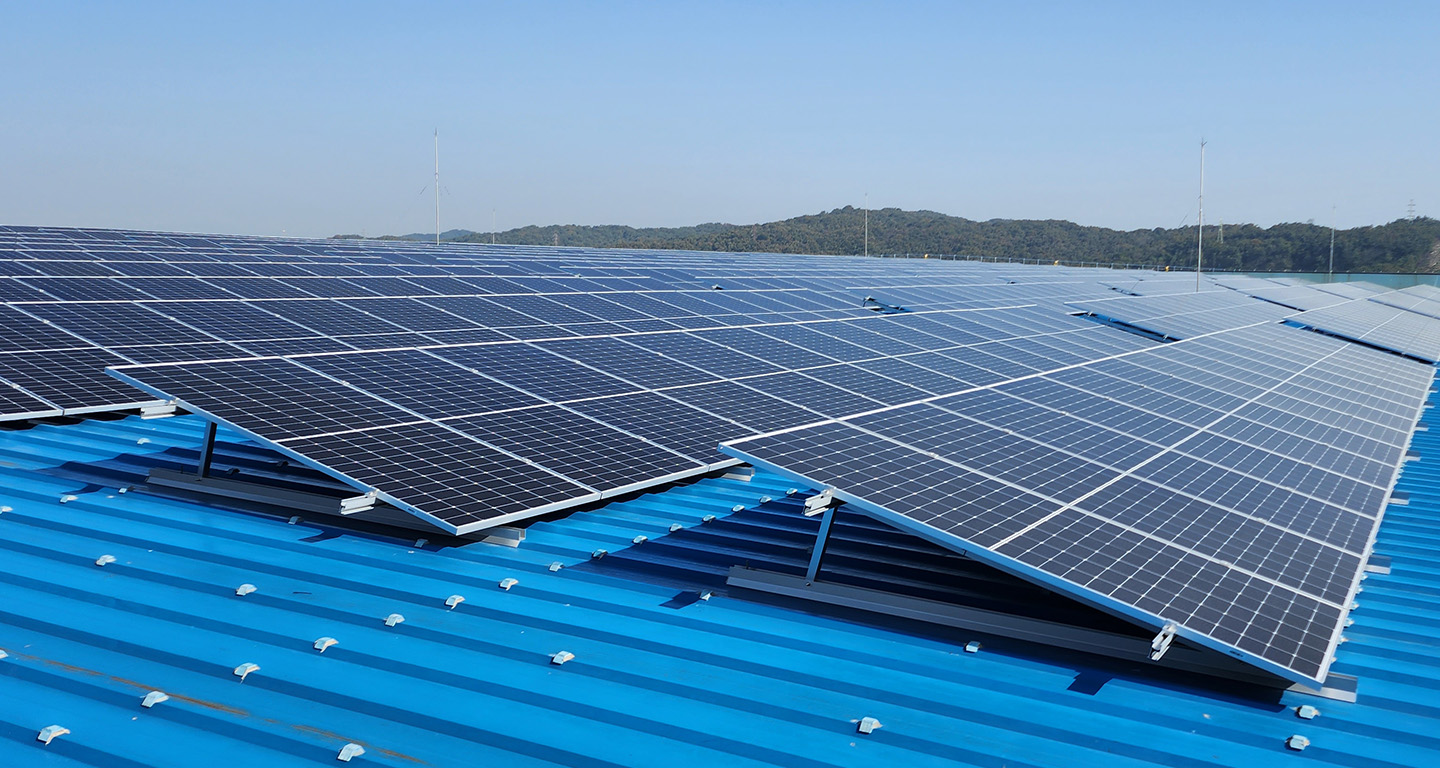
Zambia has cleared key regulatory and legal hurdles for a proposed 500-megawatt solar power project by Hungary-based EnerSynk Group, advancing the development towards feasibility studies, financing and eventual construction.
The Energy Regulation Board (ERB) approved the project, while the Attorney General's office granted legal clearance for its contractual framework, EnerSynk said on Monday, following nine months of negotiations.
The approvals pave the way for a Bankable Feasibility Study, which assesses whether a project is technically and financially viable for investment, as well as a Grid Impact Study and Environmental and Social Impact Assessment.
EnerSynk said it would also begin preparations for financial close and implementation while engaging international investors, development finance institutions, engineering partners and government stakeholders.
The company estimates that the project could generate between $2.8 billion and $3.7 billion in gross revenue over 25 years of operation, subject to tariff indexation under the power purchase agreement.
Solar expansion targets power security
The proposed project adds to Zambia's growing pipeline of utility-scale solar developments as the country seeks to diversify its electricity mix and reduce its exposure to fluctuations in hydropower generation.
Zambia relies heavily on hydropower, leaving electricity supply vulnerable to drought and declining water levels. Expanding solar generation could help improve supply resilience, meet rising electricity demand and create new opportunities for private investment in the power sector.
The development also comes amid increasing international interest in Zambia's renewable energy market. In June, South Korea's KS Eco Solutions Holdings Ltd signed a power purchase agreement with national utility ZESCO Ltd for a separate 500-MW solar project.
Zambia has also commissioned the 100-MW Chisamba Phase II solar plant and signed contracts for 2-MW solar installations in each of the country's 156 constituencies.
The growing project pipeline shows a broader shift in Zambia's energy strategy, with solar emerging as an important complement to hydropower. For the new capacity to translate into more reliable electricity, however, developers will still need to complete feasibility studies, secure financing and establish the grid infrastructure required to deliver the power to consumers.
EnerSynk Group Founder and Chief Executive Officer Jason Temasfieldt described the project as an opportunity to demonstrate Hungary's capacity to originate and manage major infrastructure investments in emerging markets.
Ameenah Gurib-Fakim, Chair of EnerSynk Group and former President of Mauritius, pinpointed the potential for stronger Europe-Africa partnerships to support sustainable development and generate long-term economic value.
Related Stories


Sign up for our newsletter.
Get the latest news, expert analysis, and industry insights delivered straight to your inbox. Join thousands of professionals shaping the future of energy.
By submitting my information, I agree to the Privacy Policy and Terms of Service.