Power
1.6 Million Eligible Households Miss Out on Free Electricity in South Africa
Around 1.6 million South African households that qualify for free electricity are still not receiving it, exposing gaps in registration and service delivery as authorities work to expand access to vulnerable communities.
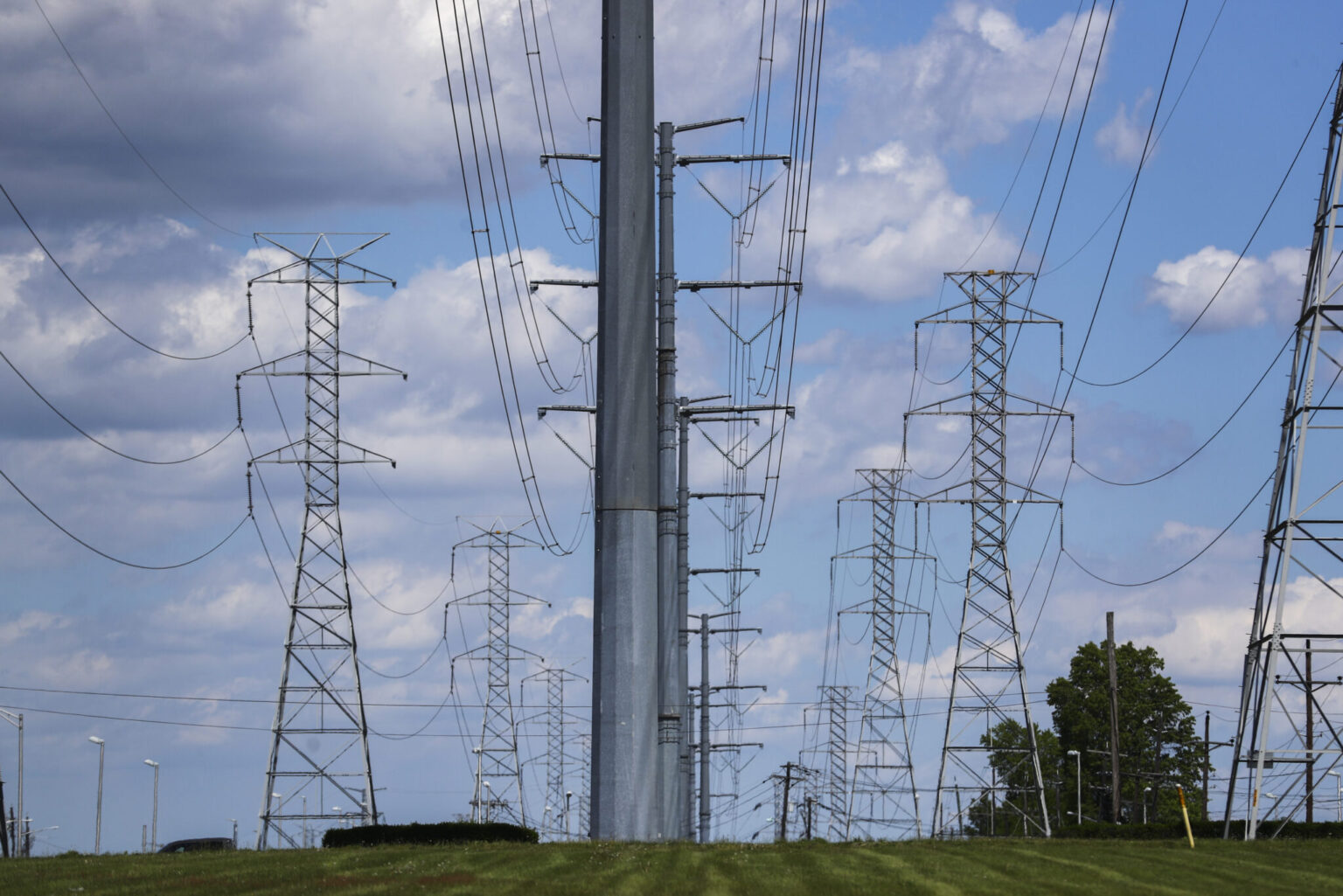
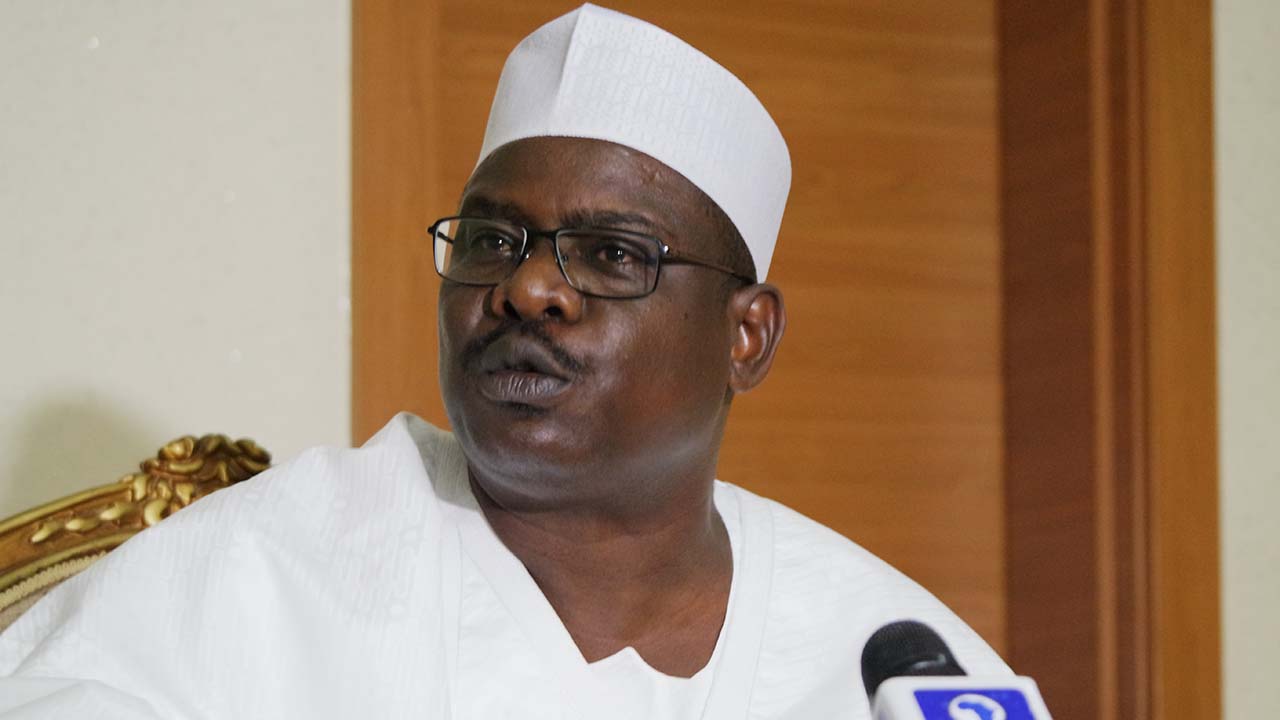
An estimated 1.6 million low-income households in South Africa are missing out on Free Basic Electricity (FBE) despite qualifying for the government support programme, according to Electricity and Energy Minister, Kgosientsho Ramokgopa.
In a written response to Parliament, Ramokgopa said around 2.1 million households in Eskom-supplied areas qualify for the programme, but only about 485,000 are currently registered and receiving the benefit.
"The Department of Electricity and Energy confirms that a significant number of indigent households that qualify for Free Basic Electricity are not yet receiving the benefit," the minister stated.
The figures indicate that approximately 1.6 million eligible households remain excluded from the programme, despite national policies designed to provide free electricity to financially vulnerable families.
According to Ramokgopa, the situation is more difficult to quantify in municipal supply areas, where local authorities are responsible for compiling and managing indigent registers used to determine eligibility for free basic services.
While many municipalities provide free electricity to registered indigent households, the minister said challenges such as incomplete beneficiary databases, verification difficulties, limited administrative capacity, and funding constraints continue to affect the programme's effectiveness.
To address the gap, the Department of Electricity and Energy is working with Eskom, municipalities, and other government agencies to improve identification and registration processes.
A key part of that effort is Eskom's accelerated smart meter rollout programme. The utility has already installed more than 800,000 smart meters and plans to deploy approximately 6.2 million additional units over the next three years.
The rollout is focused on areas affected by load reduction and high levels of electricity losses, many of which overlap with poor and rural communities.
Government officials believe the expanded use of smart metering technology will improve the ability to identify qualifying households, strengthen verification processes, and help ensure that electricity support reaches intended beneficiaries.
The disclosure spotlights the persistent challenge of translating social support policies into effective delivery on the ground, particularly as many households continue to face rising living costs and energy affordability pressures.
Related Stories
Sign up for our newsletter.
Get the latest news, expert analysis, and industry insights delivered straight to your inbox. Join thousands of professionals shaping the future of energy.
By submitting my information, I agree to the Privacy Policy and Terms of Service.