Power
Mission 300 Drives Energy Reforms in 30 African Countries
The World Bank and African Development Bank have secured billions of dollars in funding commitments for Mission 300, a programme aimed at expanding electricity access and strengthening energy systems across Africa by 2030.
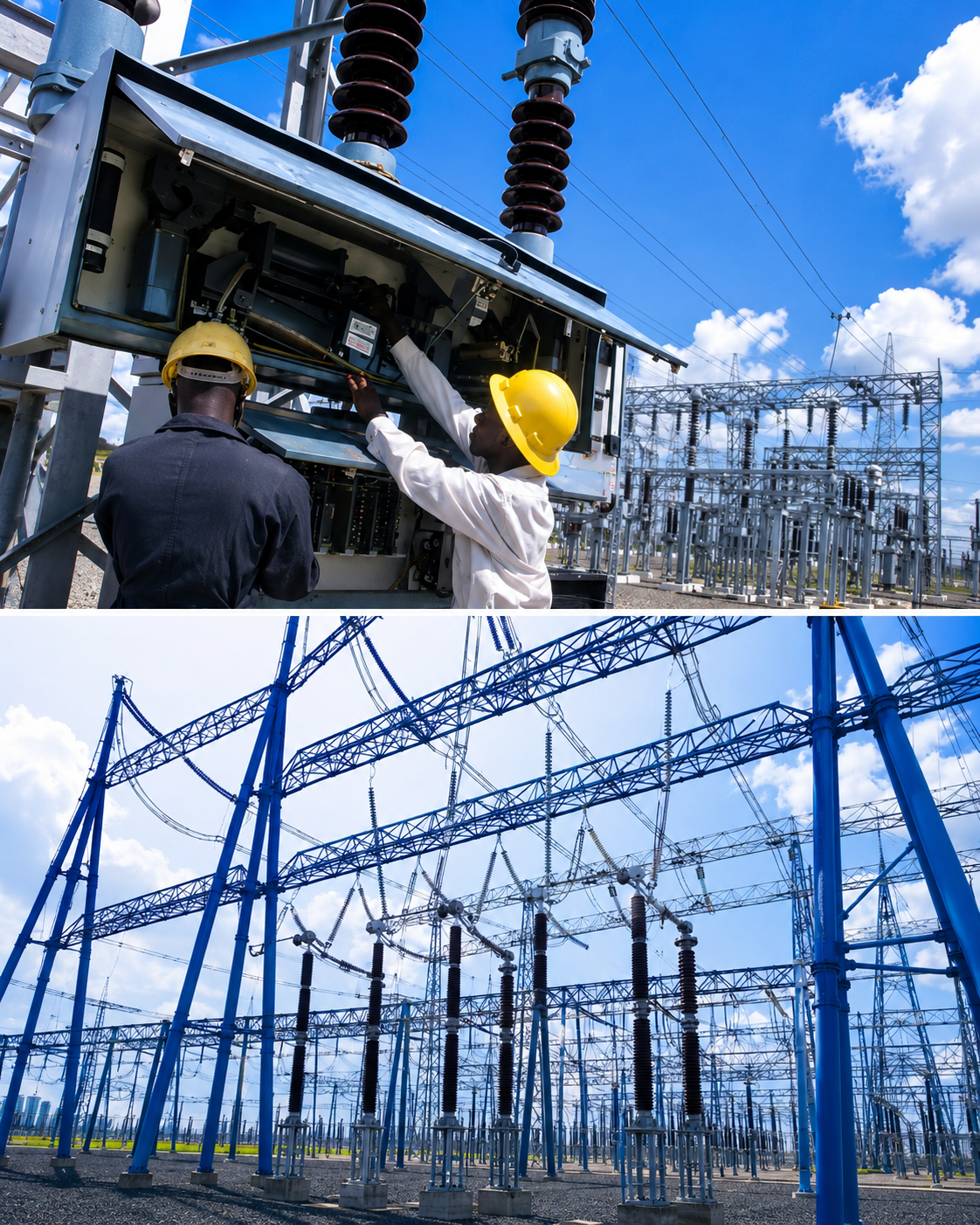
The Mission 300 electricity programme has pushed 30 African countries to introduce major energy sector reforms as efforts continue to expand access to electricity across the continent.
The World Bank and the African Development Bank (AfDB) disclosed this in a joint statement on Tuesday while providing an update on the progress of the initiative, which aims to connect 300 million Africans to electricity by 2030.
According to both institutions, the programme has encouraged participating countries to develop National Energy Compacts. These are country-led plans designed to strengthen power systems, improve electricity access, and attract investment into the energy sector.
So far, 30 African countries have established these compacts, while more countries are expected to unveil theirs this week. Burkina Faso, the Central African Republic, Djibouti, Gabon, Rwanda and Uganda are among the countries preparing to launch their plans.
The World Bank and AfDB said the reforms are helping countries improve the way their energy sectors operate while creating conditions for faster expansion of electricity services.
The development comes as Mission 300 continues to make progress across the continent. The initiative has already connected more than 50 million people to electricity in 40 African countries since it was launched in 2024.
The programme was created to tackle Africa’s electricity shortage through investments in energy infrastructure, financing, and policy reforms. It also seeks to provide affordable and reliable electricity to millions of households and businesses.
World Bank President Ajay Banga said the initiative is helping countries move faster in expanding electricity access while creating systems that can support future growth.
According to him, Mission 300 is building a foundation that countries and development partners can continue to expand even after the programme reaches its targets.
Banga noted that electricity access is important not only for homes and businesses but also for job creation, healthcare services, education and overall economic growth.
AfDB President Sidi Ould Tah also stressed the importance of the programme, saying it should help improve food security, healthcare and economic opportunities across Africa.
He explained that better electricity access can support affordable irrigation for farmers, improve medicine storage facilities and create more opportunities for social and economic development.
Mission 300 is targeting 300 million electricity connections by 2030. The latest figure of over 50 million connections means the programme has already achieved close to one-fifth of that target.
To support implementation, the World Bank and AfDB have committed nearly $15 billion to the initiative and secured about $4.5 billion in co-financing. Other development partners have also pledged more than $7 billion.
The programme is also working to mobilise at least $90 billion from public, private and multilateral sources to help African countries expand electricity access and strengthen their energy systems in the coming years.
Related Stories
Sign up for our newsletter.
Get the latest news, expert analysis, and industry insights delivered straight to your inbox. Join thousands of professionals shaping the future of energy.
By submitting my information, I agree to the Privacy Policy and Terms of Service.