Power
Zambia Rolls Out Major Power Network Upgrade Backed by Debt Savings
The 15-year initiative will help Zambia reduce power losses, integrate renewable energy, strengthen electricity distribution, and improve energy access for households and businesses.
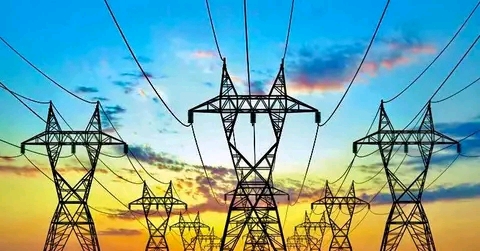
Zambia has launched a major 15-year programme to upgrade its electricity distribution network, using savings from a recent debt management deal to fund investments aimed at improving power supply, reducing outages, and expanding access to electricity across the country.
The initiative, known as the Grid Resilience Programme, will channel funds ($275 million) into modernising Zambia’s electricity network. The government said the investment will help reduce technical losses, remove bottlenecks in the power system, and ensure electricity reaches homes, businesses, schools, and hospitals more reliably.
The programme, according to the Zambian government, is being financed through savings generated from a recent debt management transaction. The country repurchased its outstanding $1.365 billion 2053 Bond B Notes with support from a $600 million facility provided by the African Development Bank and $550 million from the Bank of Zambia.
The government said part of the savings created by retiring the debt will now be redirected into strengthening the country’s electricity infrastructure over the next decade and a half.
The programme has been described as a key step towards building a stronger and more reliable energy system capable of supporting economic growth and improving living standards.
The planned investments will focus on making the electricity distribution network more efficient. Authorities said this will help ensure that power generated within the country reaches consumers with fewer interruptions and at lower operational costs.
The programme will also support the integration of renewable energy projects, including solar power and battery storage systems. This is expected to help Zambia build a more diversified energy mix while improving the resilience of the national grid against future shocks.
Government officials noted that a stronger electricity network is important for sectors such as mining, agriculture, manufacturing, tourism, digital services, and small businesses. Reliable electricity is also expected to support public institutions, including schools and health facilities.
As Zambia seeks to increase copper production and expand industrial activities, the government said improvements to the electricity network will play a critical role in attracting investment and supporting long-term economic development.
The programme is also expected to improve Zambia’s participation in regional electricity trading through the Southern African Power Pool. A more modern grid could help the country manage electricity imports and exports more effectively when needed.
Implementation of the programme will be coordinated by GreenCo Power Services, a renewable energy trader and electricity supplier operating within the Southern African Power Pool.
Oversight will be provided through ZamGridCo, a newly established entity that will manage the programme under a dedicated governance structure. The board will include representatives from the private sector as well as government nominees to promote transparency, accountability, and efficient project delivery.
The Zambian government said the initiative marks an important investment in the country’s energy future and is expected to support economic growth, job creation, and improved electricity access for communities and businesses over the coming years.
Related Stories

Sign up for our newsletter.
Get the latest news, expert analysis, and industry insights delivered straight to your inbox. Join thousands of professionals shaping the future of energy.
By submitting my information, I agree to the Privacy Policy and Terms of Service.