Power
ECOWAS Lawmakers Seek Faster Rural Electrification as Ndume Joins Dakar Energy Talks
Regional lawmakers meeting in Senegal are exploring new strategies to increase renewable energy investment, strengthen cross-border cooperation and improve electricity access for millions living in West Africa's rural communities.
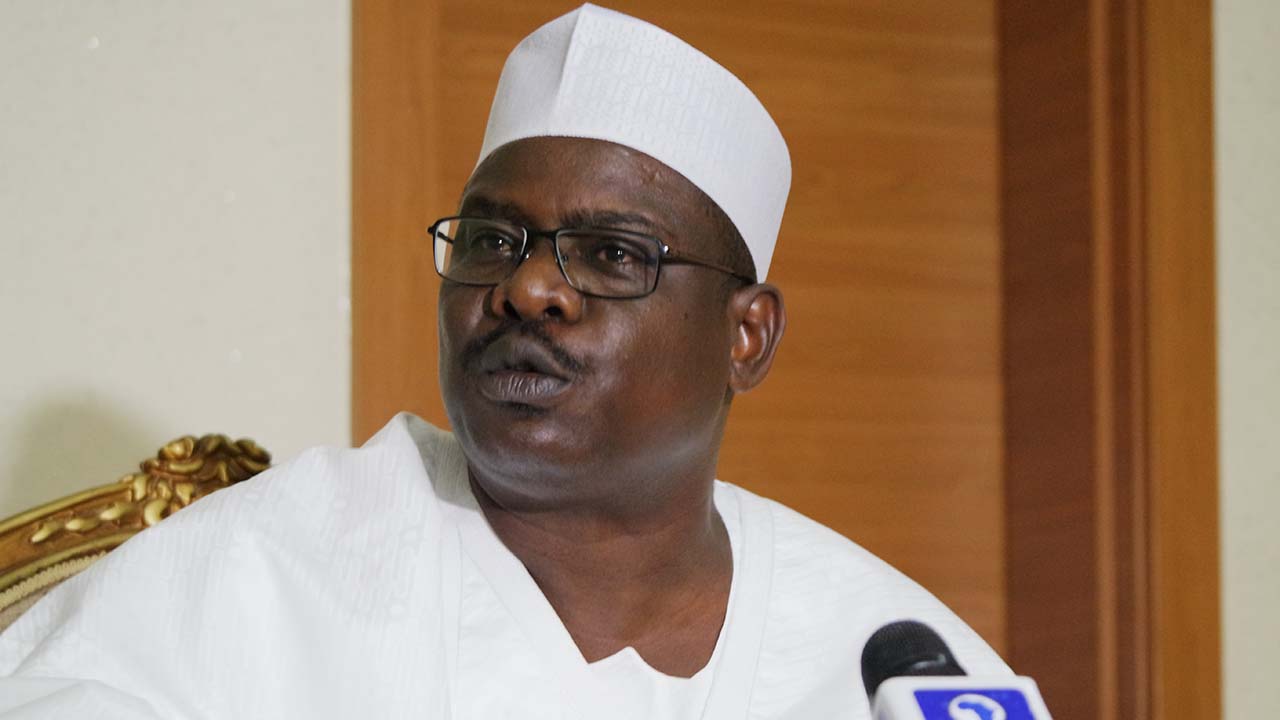
Efforts to expand electricity access in rural communities across West Africa took centre stage in Dakar, Senegal, on Tuesday as lawmakers, energy experts and policymakers gathered for a key ECOWAS Parliament meeting on renewable energy.
Among the participants is Senator Mohammed Ali Ndume, who represents Nigeria's Borno South Senatorial District and is taking part in discussions focused on how clean energy can help drive development in underserved communities across the region.
The meeting, which runs from June 15 to 19, 2026, is organised by the Joint Committee on Energy and Mines, Infrastructure, Agriculture, Environment and Natural Resources of the ECOWAS Parliament. It is examining the role of renewable energy in improving rural electrification and boosting local economies.
Delegates are discussing ways to strengthen regional cooperation, attract investment and accelerate the deployment of renewable energy projects in communities that still lack reliable electricity.
The discussions come at a time when millions of people across West Africa continue to face power shortages, particularly in rural areas where access to electricity remains limited. Many communities rely on expensive alternatives or have no access to power at all.
For countries in the region, improving electricity supply is increasingly seen as a key step towards economic growth, job creation and poverty reduction.
At the Dakar meeting, participants are exploring how renewable energy solutions can support farming activities, small businesses, schools and healthcare facilities. Access to stable electricity is also considered important for improving living standards and creating economic opportunities in rural communities.
Ndume's participation brings attention to the challenges faced by communities in Borno South, where infrastructure gaps and the effects of years of insurgency have slowed development efforts.
Reliable electricity remains a major need in many parts of the district. Improved power supply is expected to support businesses, enhance healthcare delivery, strengthen education and increase agricultural productivity.
The lawmaker is expected to contribute to conversations on policies that can help expand access to renewable energy and support communities that have struggled with limited infrastructure.
The meeting's theme, “Harnessing Renewable Energy for Rural Electrification and Empowerment of Rural Economies in the ECOWAS Region: The Role of the ECOWAS Parliament,” reflects the growing focus on clean energy as a tool for development across West Africa.
Delegates are also examining how governments and regional institutions can work together to remove barriers that slow energy projects and limit investment in the sector.
At the end of the meeting, participants are expected to adopt recommendations aimed at improving rural electrification and encouraging greater investment in renewable energy across ECOWAS member states.
The outcome could help shape future regional policies designed to bring electricity to more communities and support sustainable economic growth throughout West Africa.
Related Stories
Sign up for our newsletter.
Get the latest news, expert analysis, and industry insights delivered straight to your inbox. Join thousands of professionals shaping the future of energy.
By submitting my information, I agree to the Privacy Policy and Terms of Service.