Renewables
Nigeria Calls for Clean Energy Investment in Agriculture
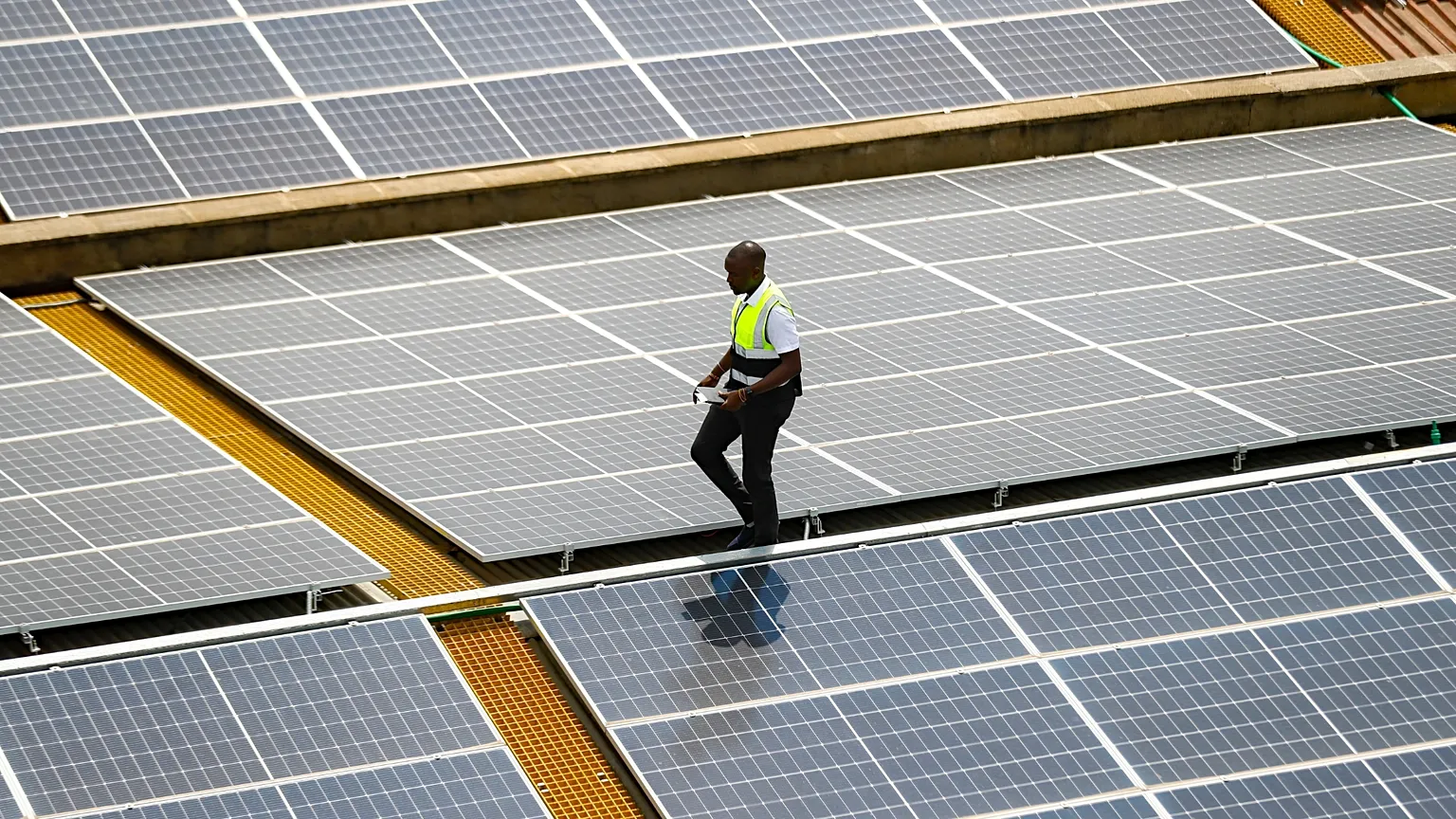
Nigeria is expanding the use of renewable energy in agriculture to improve food production, reduce post-harvest losses, support rural businesses and strengthen food security.
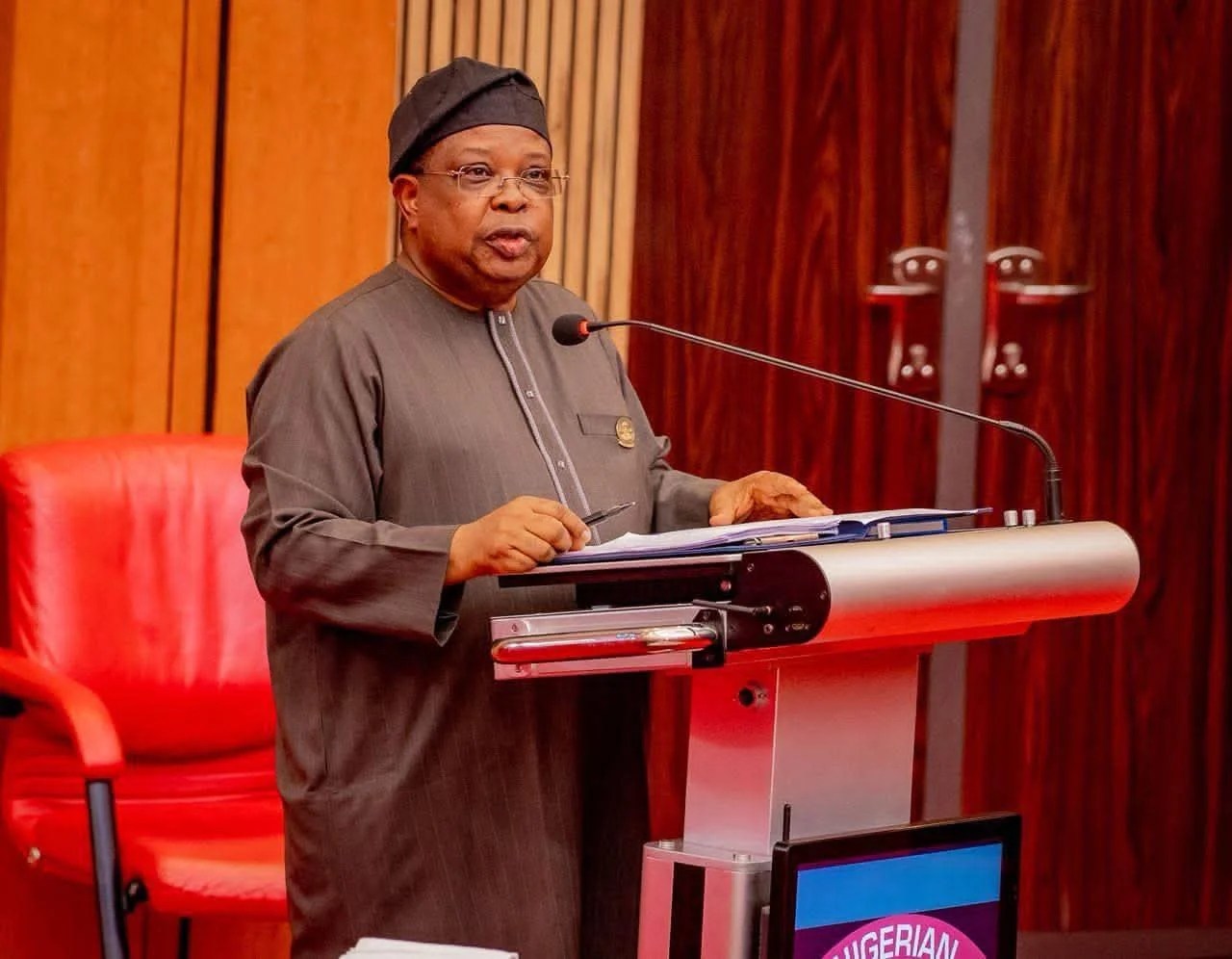
The Federal Government has called for stronger collaboration to deploy renewable energy across Nigeria's agricultural sector, saying wider use of solar-powered irrigation, cold storage and agro-processing facilities is critical to improving food production, cutting post-harvest losses and creating jobs in rural communities.
Speaking at the Productive Use of Energy (PURE) Workshop in Abuja, organised by the Rural Electrification Agency (REA) and the ECOWAS Commission under the Regional Off-Grid Electricity Access Project (ROGEAP), the Minister of Power, Joseph Tegbe, stressed that electricity should be judged by the value it creates for businesses and communities rather than the number of megawatts generated or households connected.
He noted that access to reliable electricity becomes meaningful when it powers irrigation systems, agro-processing equipment, cold storage facilities and other productive activities that increase farmers' incomes and strengthen food security.
According to the minister, rural electrification should move beyond simply extending power lines to communities and instead focus on supporting economic activities that can lift livelihoods.
He pointed out that Nigeria continues to lose large volumes of agricultural produce because of inadequate cold storage, limited processing capacity and poor access to affordable energy for rural enterprises.
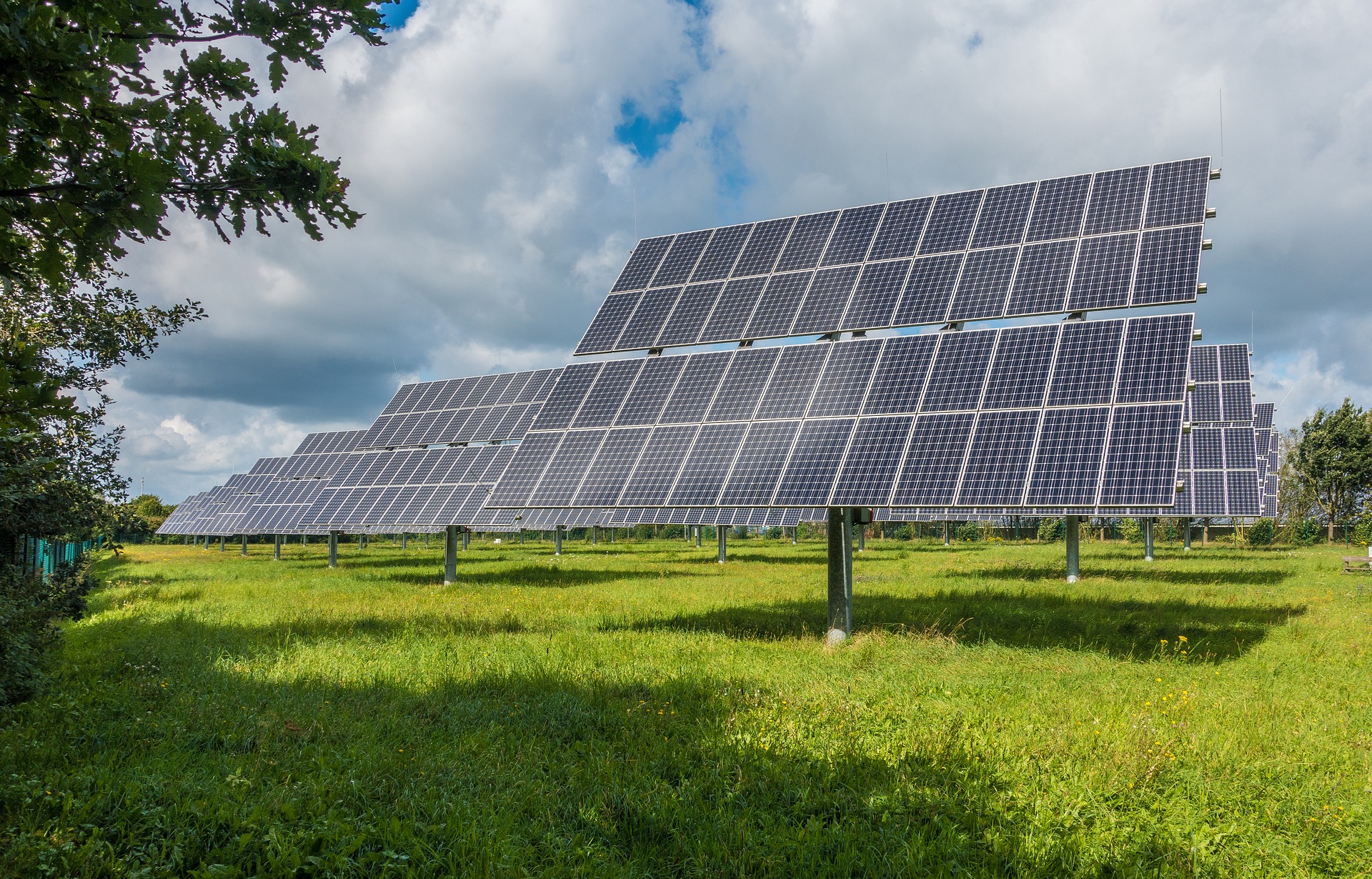
Renewable energy, particularly solar power, offers an opportunity to tackle many of these challenges by providing reliable electricity in areas beyond the national grid while lowering operating costs for farmers and agribusinesses.
Agencies seek coordinated clean energy projects
The Managing Director of the Rural Electrification Agency, Abba Aliyu, called for closer coordination among government agencies, development partners, financial institutions and private investors to ensure renewable energy projects deliver greater value to rural communities.
He observed that many public institutions currently implement similar projects independently, resulting in duplication and inefficient use of limited resources.
Drawing on lessons from previous REA projects, Mr Aliyu explained that involving institutions such as the Bank of Agriculture, commodity exchanges, financiers and private-sector operators from the planning stage would improve the long-term sustainability of renewable energy investments.
The Minister of Agriculture and Food Security, Abubakar Kyari, represented by Maruf Ajenifuja, also described reliable energy as essential to modernising agriculture.
He disclosed that the Federal Government is deploying 2,000 tractors, over 9,000 farm implements and thousands of solar-powered irrigation pumps to support year-round farming and reduce dependence on rain-fed agriculture.
Speaking for the ECOWAS Commission, ROGEAP Coordinator El Hadji Sylla described limited electricity access as one of the biggest barriers to economic growth across West Africa. He urged governments to ensure renewable energy supports enterprise development, local processing and job creation in off-grid communities, while calling for a national framework to guide investment in productive energy use.
Renewable Energy seen as key to modernising agriculture
Nigeria has increasingly turned to renewable energy, particularly solar-powered mini-grids and irrigation systems, to tackle the persistent electricity shortages affecting rural communities. However, experts asserted that many projects have focused on providing basic household electricity rather than supporting productive activities such as irrigation, food processing and cold storage.
The renewed push to integrate renewable energy into agriculture demonstrates a shift towards using clean electricity to strengthen food production, reduce post-harvest losses, create rural jobs and improve farmers' incomes. If implemented effectively, it could also attract more private investment into off-grid renewable energy while helping Nigeria meet its energy transition and food security goals.
Related Stories

Sign up for our newsletter.
Get the latest news, expert analysis, and industry insights delivered straight to your inbox. Join thousands of professionals shaping the future of energy.
By submitting my information, I agree to the Privacy Policy and Terms of Service.