Renewables
Africa's Renewable Energy Capacity Hits Record 82,397 MW, IRENA Reports
Africa added 82,397MW of renewable capacity by the end of 2025, with Ethiopia, South Africa and Egypt leading the continent's expansion.
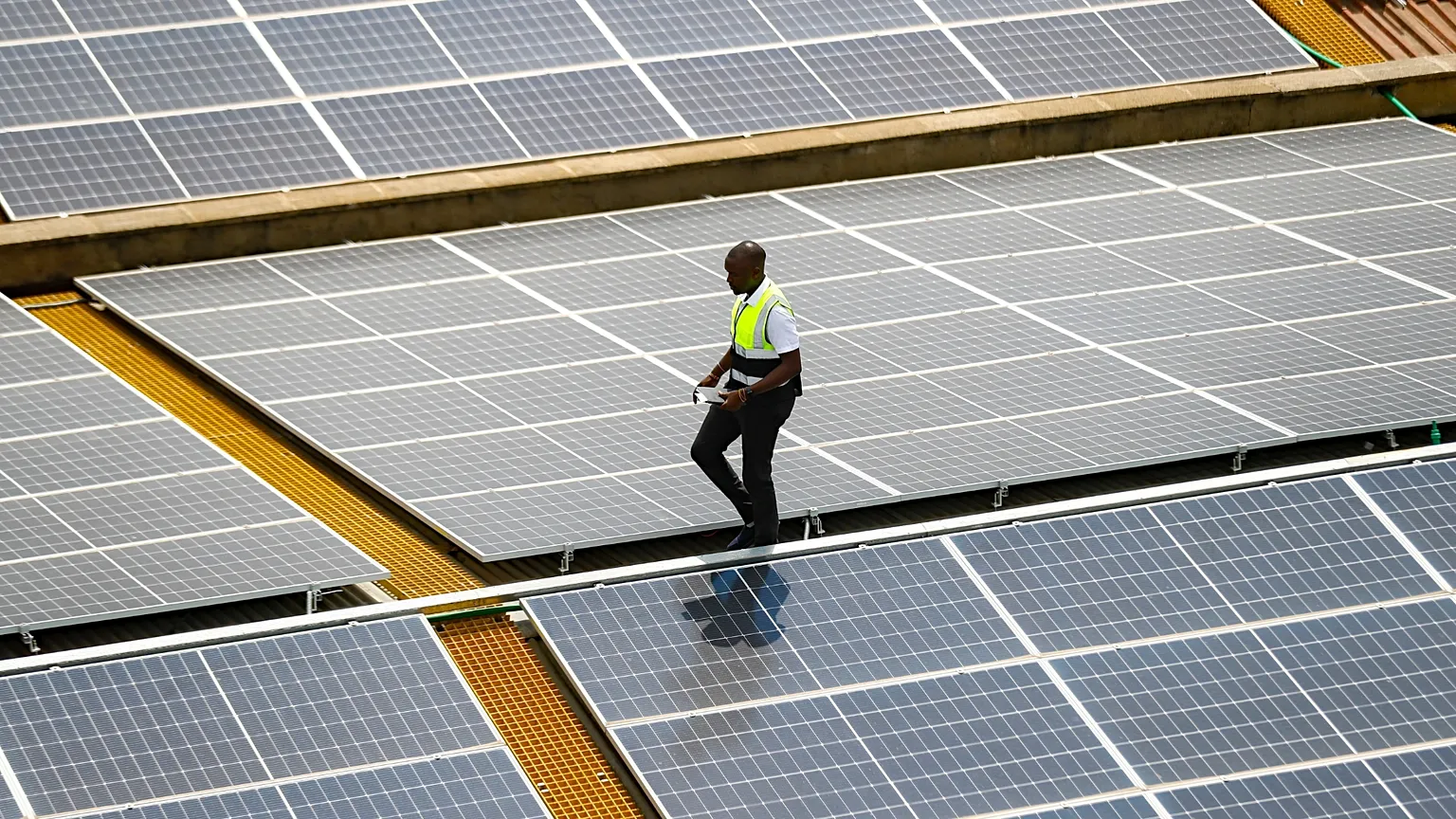
Africa's total installed renewable energy capacity reached a record 82,397 megawatts by the end of 2025, according to the Renewable Energy Statistics 2026 report published in July by the International Renewable Energy Agency (IRENA).
The continent generated 227 terawatt hours of renewable electricity in 2024, a 5.7 per cent annual increase.
The figures, released on Tuesday, 14 July 2026, show Africa continuing to build out its renewable energy systems, though its overall pace still trails the growth rates recorded in Asia, Europe and the Middle East. A tightening pool of international public financing remains a key constraint on the continent's wider renewable energy pipeline.
Hydropower still carries most of the load, smaller sectors grow fastest
Renewable hydropower remains the backbone of Africa's power grid, generating 167,918 gigawatt hours in 2024, close to 74 per cent of the continent's total renewable output.
The fastest growth came from far smaller sectors starting from a lower base. Bioenergy recorded the sharpest percentage gain on the continent, climbing 28.3 per cent to 5,234 gigawatt hours.
Wind followed at 23.3 per cent, reaching 18,617 gigawatt hours, and solar photovoltaic generation grew 10.4 per cent to 27,175 gigawatt hours.
Geothermal was the only technology to decline, falling 2.7 per cent to 5,922 gigawatt hours. The drop is isolated entirely to Kenya, which accounts for effectively all of Africa's commercial geothermal electricity, on and off grid alike.
South Africa and North Africa lead solar and wind deployment
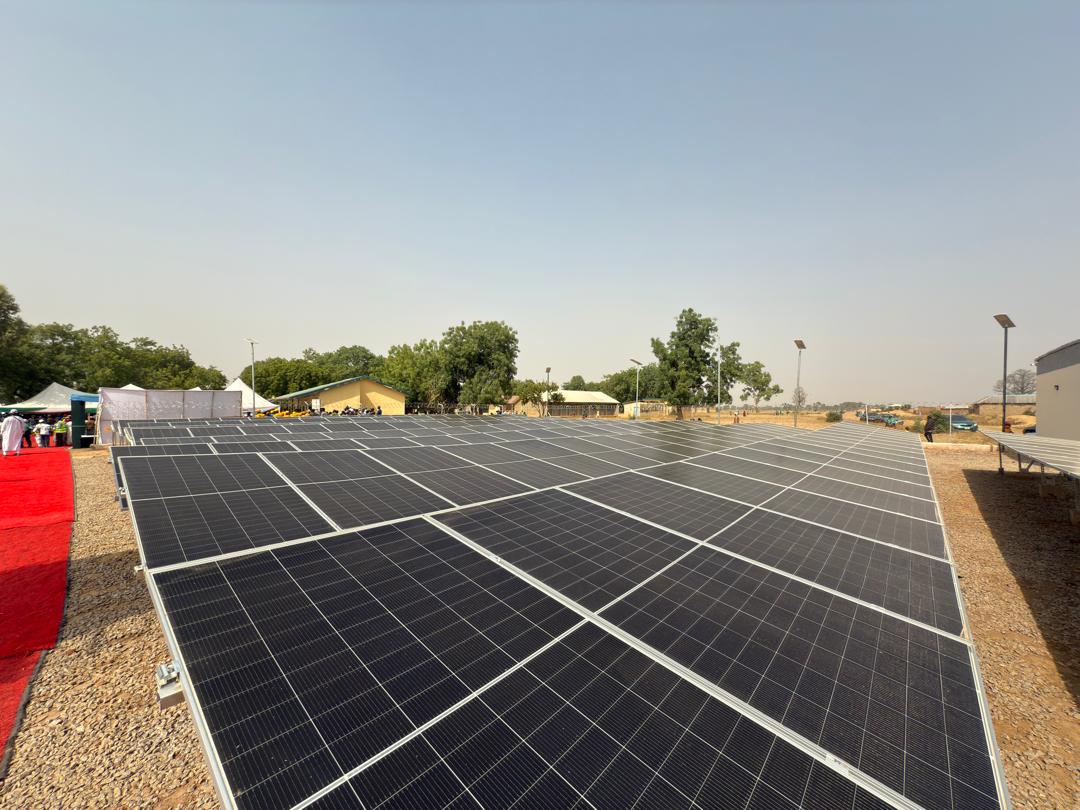
By the end of 2025, South Africa held the continent's largest solar and wind footprint, with 11,255MW of installed solar capacity and 4,326MW of connected wind power.
Egypt closed out the year with 3,267MW of solar capacity and 3,028MW of wind. Morocco held 2,452MW of wind capacity alongside 1,086MW of solar.
Other markets are expanding from smaller bases. Ethiopia's installed wind capacity reached 504MW by the end of 2025. Kenya held a stable 436MW of wind alongside 551MW of solar, continuing to diversify a grid still dominated by geothermal.
A record year for capacity additions
Africa's total renewable capacity climbed from 65,562MW in 2023 to 71,111MW in 2024, then to 82,397MW by the end of 2025.
The continent connected more than 11,280MW of new renewable infrastructure to its grids between 2024 and 2025 alone, the largest single-year addition on record for the continent.
Generation growth in any given year can lag behind capacity additions because of weather and seasonal variation, but the scale of new capacity coming online points to a build-out accelerating well ahead of current output figures.
Off-grid renewable capacity, made up largely of mini-grids and rural solar home systems, rose more modestly, from 1,283MW to 1,296MW across 2025. These smaller, standalone systems remain important for reaching rural populations not connected to national grids.
Financing constraints could slow the pace
Despite the scale of Africa's renewable resource, the continent's capacity build-out faces a financing constraint. International public renewable energy financial flows into Africa fell to $6,138.88 million in 2024, part of a wider pattern in how public capital is being allocated globally.
Simon Stiell, Executive Secretary of the United Nations Framework Convention on Climate Change, has pointed to this financing constraint directly, saying many vulnerable countries will need stronger concessional capital if their renewable deployment is to keep pace with global climate targets over the next decade.
The figures suggest Africa has the technical pipeline to expand its renewable capacity substantially, but the extent to which that pipeline gets built depends heavily on whether that constraint eases in the years ahead.
Related Stories
Sign up for our newsletter.
Get the latest news, expert analysis, and industry insights delivered straight to your inbox. Join thousands of professionals shaping the future of energy.
By submitting my information, I agree to the Privacy Policy and Terms of Service.