Renewables
Nigeria’s Sterling Bank, StarTimes Launch Solar Financing Hubs
Sterling Bank and StarTimes have unveiled solar financing hubs to make clean energy more affordable, supporting off-grid electrification, small businesses and Nigeria's renewable energy ambitions.
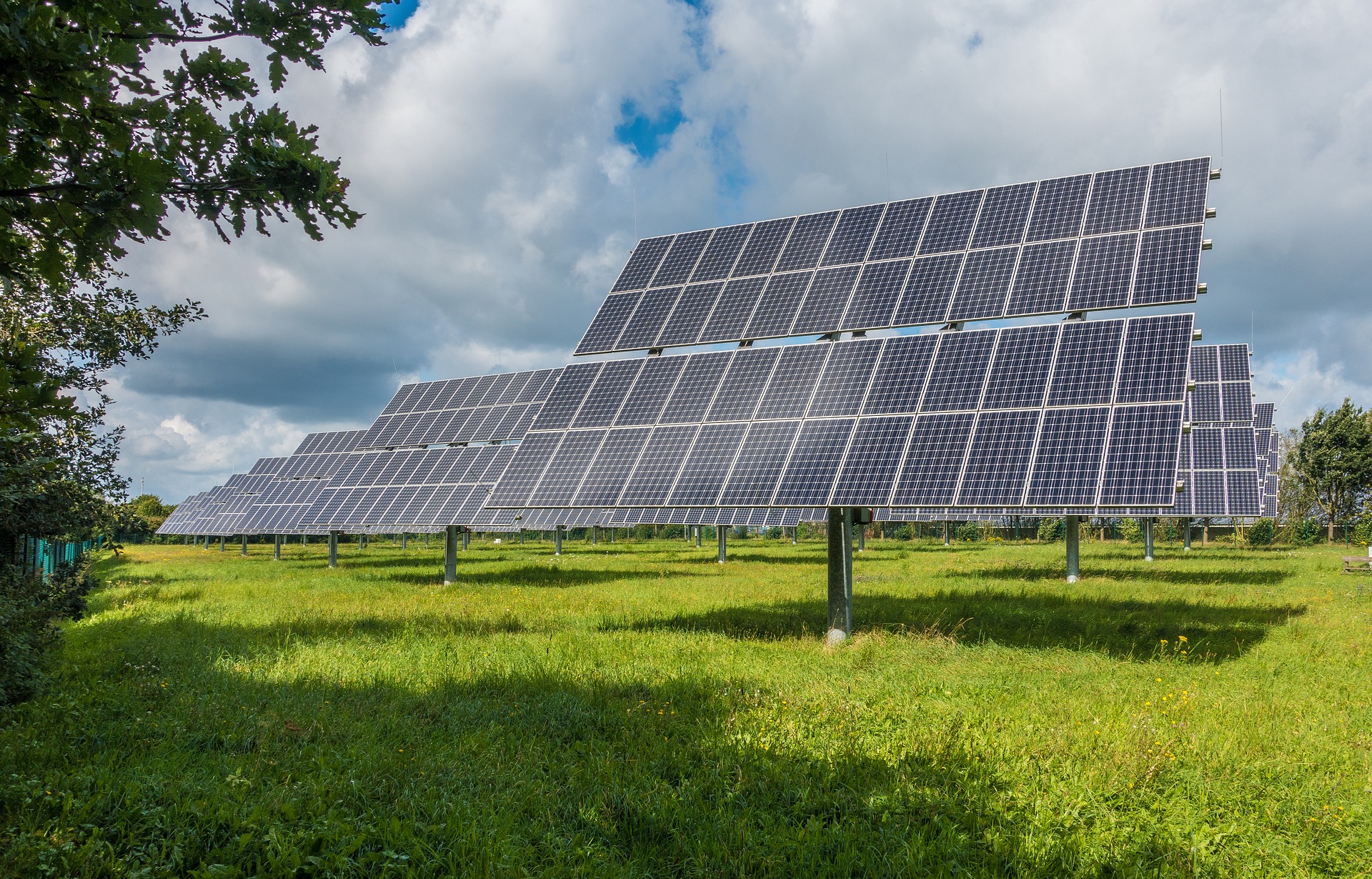
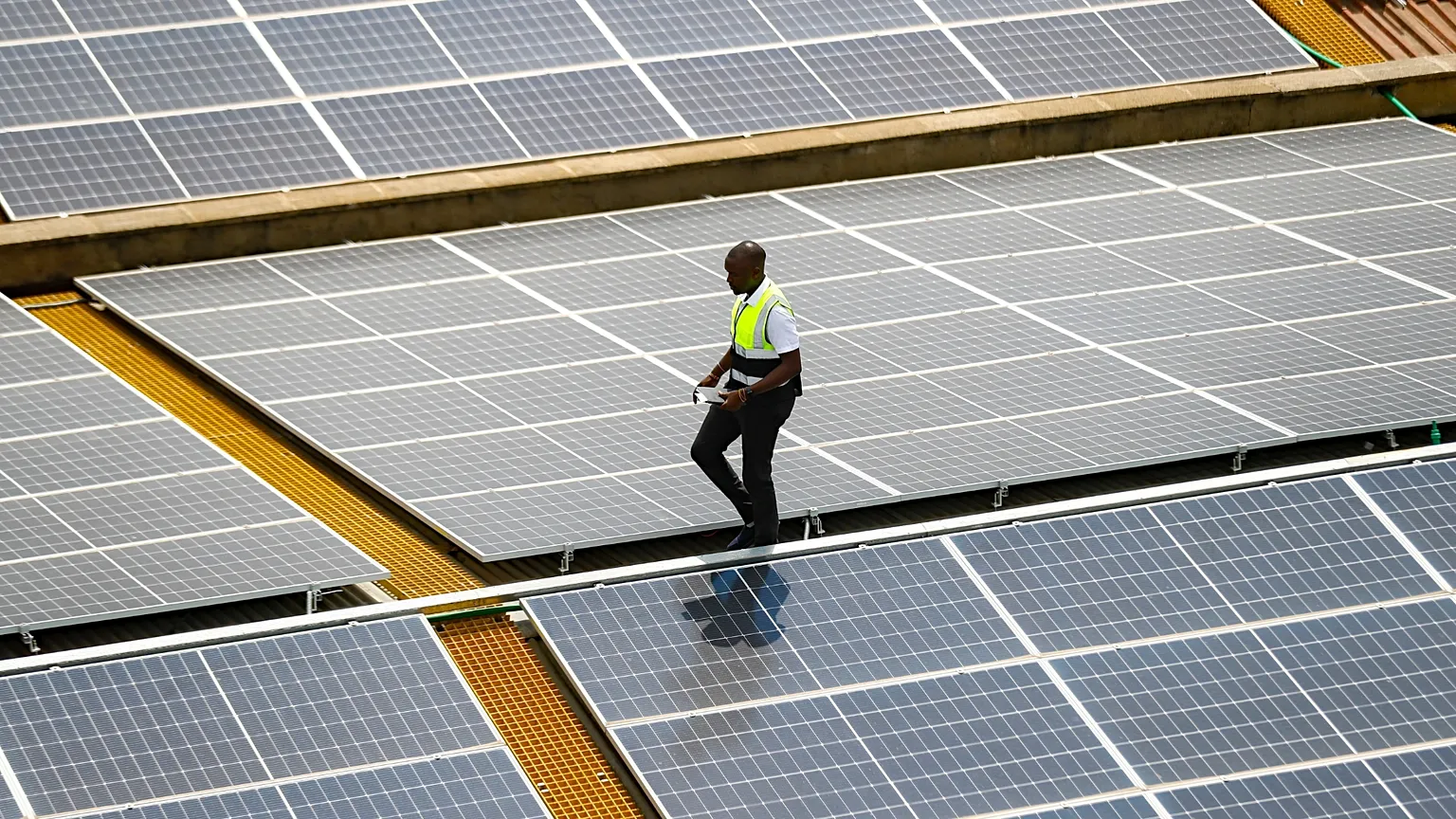
Sterling Bank and digital television provider StarTimes have launched solar financing hubs across Nigeria, offering households and small businesses easier access to solar power through flexible credit, in a move aimed at accelerating off-grid electrification and reducing dependence on the national grid.
Under the partnership, Sterling Bank will provide financing through its renewable energy platform, allowing customers to spread the cost of solar systems over time, while StarTimes will supply and distribute the systems through its nationwide network.
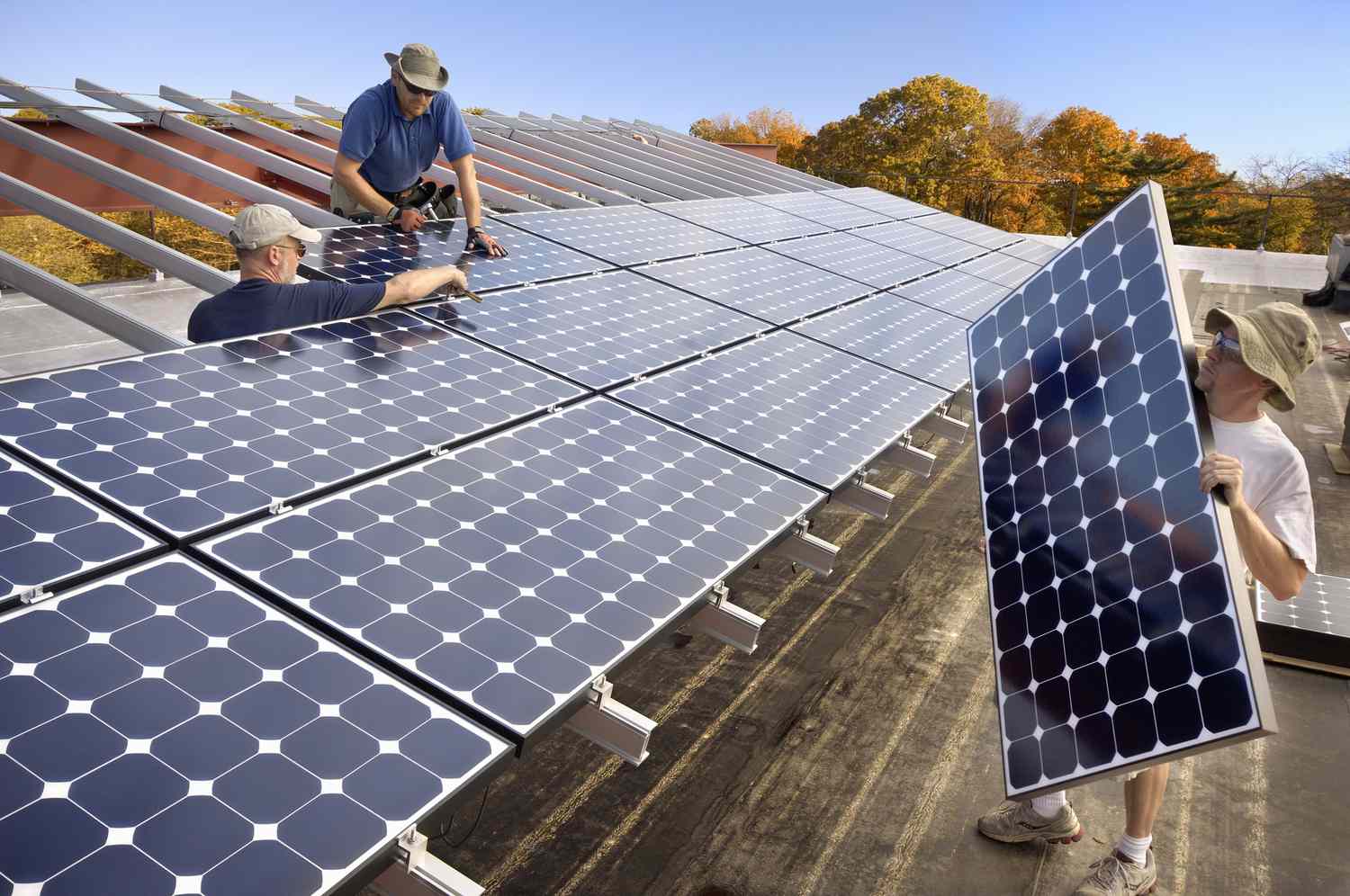
The solar packages include panels, battery storage and energy-efficient appliances, with customers able to access financing and complete the purchase process at designated solar financing hubs across the country.
According to Sterling Bank, the initiative is designed to remove the high upfront cost that has prevented many Nigerians from switching to solar power. Eligible customers will be able to repay the loans over a period of up to 24 months.
StarTimes explained that the partnership combines its nationwide presence with Sterling Bank's financing capability to make reliable electricity more accessible, particularly in communities with limited or unreliable grid supply.
The initiative transpired as Nigerians continue to contend with higher electricity tariffs, rising fuel prices and persistent power outages, factors that have increased interest in alternative energy sources.
Private Investment is driving off-grid growth
The partnership adds to a growing number of private-sector initiatives aimed at expanding renewable energy access in Nigeria. In recent years, banks, development finance institutions and renewable energy companies have introduced financing schemes for solar home systems, mini-grids and commercial solar projects to bridge the country's electricity gap.
These efforts complement government programmes led by the Rural Electrification Agency, including the Distributed Access through Renewable Energy Scale-up (DARES) programme and the planned Desert to Power initiative, both designed to attract private investment into clean energy.
The significance of the partnership extends beyond financing solar equipment. More than 80 million Nigerians still lack access to reliable grid electricity, while millions of others experience frequent blackouts.
By making solar systems more affordable through credit, the initiative could help more homes and small businesses secure dependable electricity, reduce spending on petrol and diesel generators, support productive economic activities and contribute to Nigeria's broader clean energy and energy access goals.
Related Stories
Sign up for our newsletter.
Get the latest news, expert analysis, and industry insights delivered straight to your inbox. Join thousands of professionals shaping the future of energy.
By submitting my information, I agree to the Privacy Policy and Terms of Service.