Climate & Sustainablity
Climate Variability Is Reshaping the Global Energy Transition – WMO-IRENA
Climate variability is affecting how renewable energy systems perform and how reliable they are across regions and the WMO Secretary-General Celeste Saulo, says ntegrating climate information and early warning systems into energy planning is essential to ensure system resilience as clean energy capacity expands.
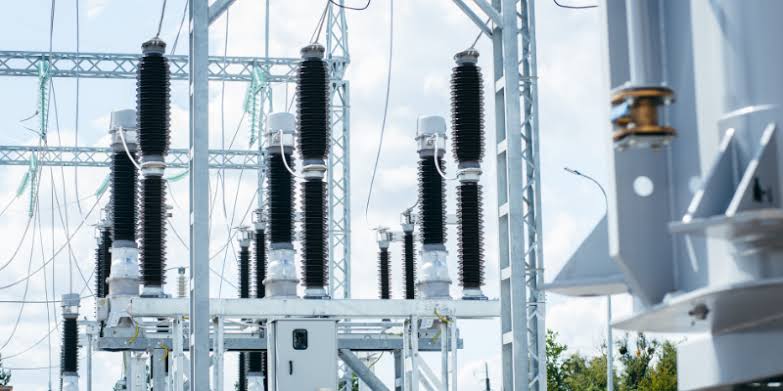
Climate variability is increasingly influencing the performance and reliability of renewable energy systems worldwide, according to the 2024 Year in Review jointly released by the World Meteorological Organization (WMO) and the International Renewable Energy Agency (IRENA).
The report finds that 2024, the warmest year on record with global temperatures reaching about 1.55°C above pre-industrial levels, produced marked regional shifts in solar, wind and hydropower potential. Climate-driven global energy demand rose by around 4% compared with the 1991–2020 average, as heat extremes increased cooling needs across multiple regions.
These changes are unfolding as global renewable energy capacity surpassed 4,400 gigawatts, intensifying the interaction between climate conditions and power systems. The review warns that climate variability is no longer a marginal factor but a central operational risk for energy systems.
According to WMO Secretary-General Celeste Saulo, heat extremes, rainfall variability and shifting atmospheric patterns are already shaping renewable energy output. She said integrating climate information and early warning systems into energy planning is essential to ensure system resilience as clean energy capacity expands.
Regional impacts varied significantly in 2024. Southern Africa recorded higher wind and solar capacity factors, while hydropower output remained below average for a third consecutive year amid record energy demand. South Asia experienced weaker wind and solar performance alongside sharply rising cooling demand, while parts of East Africa benefited from above-average rainfall that boosted hydropower generation.
For the first time, the report also assessed the usefulness of seasonal climate forecasts for energy planning. Forecasts, particularly from European climate models, successfully anticipated anomalies in solar potential and electricity demand months in advance, highlighting their value for grid management, infrastructure planning and cross-border power trade.
IRENA Director-General Francesco La Camera said the findings show that the energy transition must be grounded in climate realities, noting that climate-informed planning is critical for investment decisions, energy security and the reliability of rapidly expanding renewable capacity.
The report urges governments to strengthen climate-energy integration as they implement national climate targets and long-term low-emission strategies, aligning energy planning with the COP28 commitment to triple renewable energy capacity and double energy efficiency by 2030.
Related Stories
Sign up for our newsletter.
Get the latest news, expert analysis, and industry insights delivered straight to your inbox. Join thousands of professionals shaping the future of energy.
By submitting my information, I agree to the Privacy Policy and Terms of Service.