Oil & Gas
Bangladesh, Angola Open Talks on Long-Term Energy Cooperation
The talks signal a broader push by Asian and African economies to build new energy alliances, diversify supply chains and attract long-term investment beyond traditional markets.
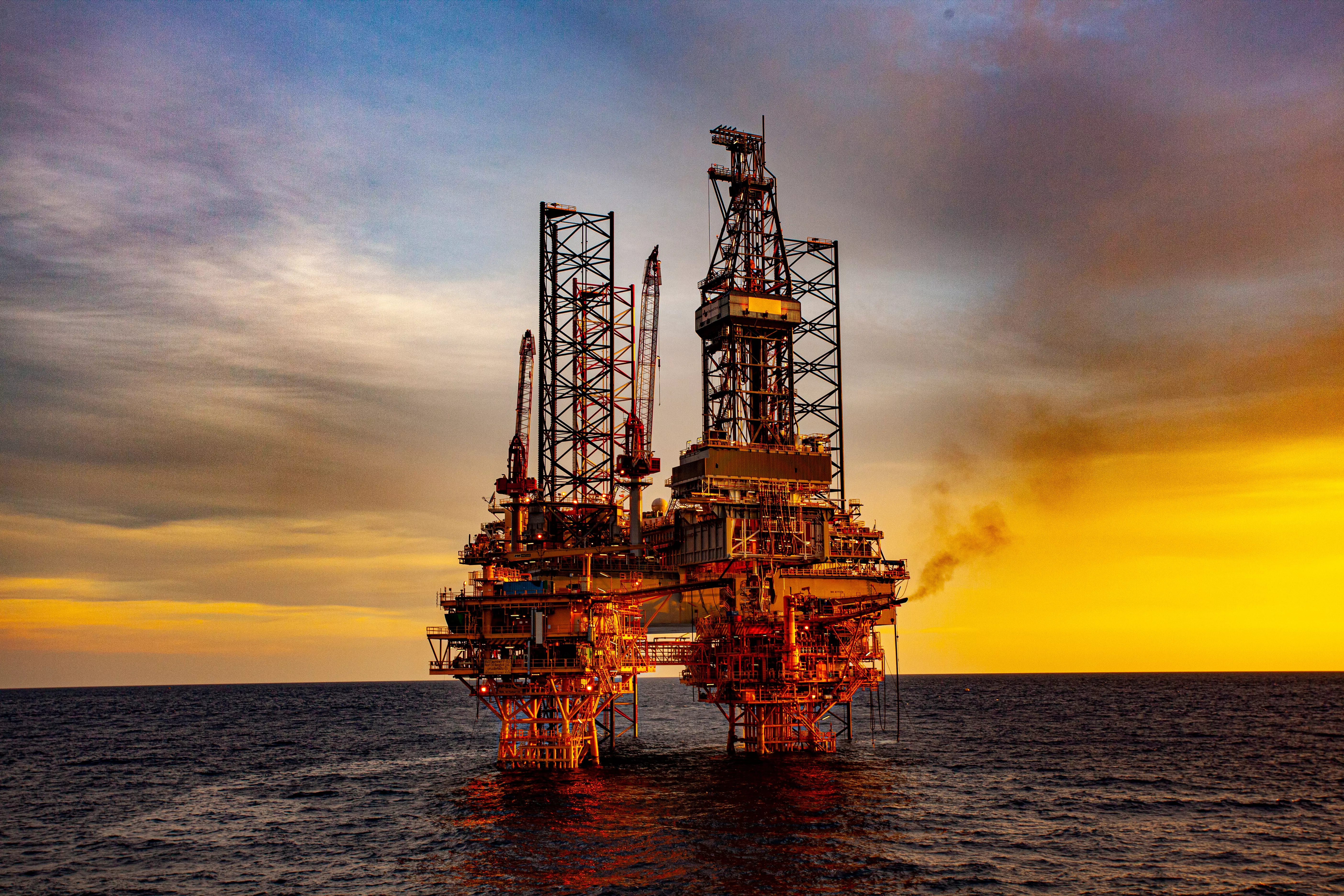
Bangladesh and Angola have opened formal discussions on energy cooperation as both countries explore opportunities for long-term crude oil, gas and investment partnerships aimed at strengthening energy security and expanding export markets.
The first high-level bilateral dialogue, held virtually on Friday at Bangladesh’s initiative, brought together senior government officials and state-owned energy entities from both countries to discuss supply arrangements, technical collaboration and investment opportunities across the energy value chain.
The Bangladesh delegation was led by the Secretary of the Energy and Mineral Resources Division and included officials from the Ministry of Foreign Affairs, the Ministry of Power, Energy and Mineral Resources, Bangladesh Petroleum Corporation and Petrobangla.
Bangladesh High Commissioner to Nigeria and concurrently accredited ambassador to Angola, Miah Md Mainul Kabir, also participated in the meeting and highlighted ongoing diplomatic efforts to deepen relations between the two countries.
The Angolan delegation was headed by the Minister of State for Oil and Gas, José Alexandre Barroso, alongside senior officials from Angola’s public energy institutions. Angola’s ambassador to Nigeria also attended the discussions.
During the meeting, Bangladesh outlined its rising energy demand and emphasised the need to diversify crude oil and gas imports beyond the Middle East as part of efforts to improve long-term energy security.
The South Asian country expressed interest in establishing a government-to-government energy cooperation framework with Angola and invited an Angolan technical delegation to visit Dhaka to begin formal negotiations.
Bangladesh also indicated readiness to send its own technical mission to Luanda and called for the early finalisation of a proposed Memorandum of Understanding that would provide an institutional framework for cooperation.
In response, Angola presented an overview of its energy sector, noting that the country currently produces about 1.1 million barrels of crude oil per day while expanding refining capacity through two new refinery projects.
The Angolan side also highlighted its LNG export capability and ongoing investments in upstream and downstream gas infrastructure, while expressing interest in attracting foreign investment into its energy sector.
Angola welcomed Bangladesh’s proposal for closer cooperation and assured that the draft MoU would be reviewed promptly.
Both countries described the discussions as constructive and forward-looking, agreeing to sustain technical-level engagement to convert the dialogue into concrete energy and investment partnerships.
Related Stories

Sign up for our newsletter.
Get the latest news, expert analysis, and industry insights delivered straight to your inbox. Join thousands of professionals shaping the future of energy.
By submitting my information, I agree to the Privacy Policy and Terms of Service.