Oil & Gas
Nigeria Among Africa’s Cheapest Petrol Markets Despite Rising Cost Pressures
Nigeria’s ranking among Africa’s cheapest petrol markets shows that lower fuel prices do not always translate to easier living conditions for citizens facing inflation and weak incomes.
Nigeria has ranked among Africa’s 10 cheapest petrol markets in the latest global fuel price assessment, even as rising transport costs, inflation and declining household purchasing power continue to weigh heavily on citizens and businesses.
According to the latest data released by GlobalPetrolPrices.com for May 11, 2026, Nigeria placed eighth among African countries with the lowest petrol prices and 22nd globally, with petrol selling at $0.935 per litre, equivalent to about ₦1,281.75 per litre.
The report showed that Libya maintained the position of the cheapest petrol market both in Africa and globally, with fuel selling at only $0.024 per litre. Angola followed with a pump price of $0.327 per litre, while Algeria ranked third on the continent at $0.355 per litre.
Egypt occupied the fourth position in Africa and eighth globally with petrol selling at $0.454 per litre, while Sudan followed at $0.700 per litre. Tunisia, Niger, Gabon and Ethiopia also featured among Africa’s cheapest fuel markets.

Source: Global Petrol Prices
The global average petrol price during the period stood at $1.52 per litre.
The ranking highlights how Africa’s cheapest fuel markets remain largely concentrated among oil-producing countries and economies where governments continue to regulate or subsidise fuel prices despite mounting fiscal pressures.
GlobalPetrolPrices.com noted that petrol prices vary significantly across countries due to differences in taxation, subsidy structures, exchange-rate conditions and energy policies, even though nations largely access the same international crude oil market.
For Nigeria, the ranking presents a mixed reality. Although petrol prices remain comparatively lower than in many countries when measured in dollar terms, the economic burden on citizens remains severe due to weakening incomes, rising inflation and the depreciation of the naira.
Since the removal of petrol subsidy in 2023 and the subsequent liberalisation of the downstream sector, transport fares, food prices and business operating costs have continued to rise sharply across the country.
Economic analysts said affordability cannot be determined solely by nominal fuel prices, stressing that purchasing power and income levels remain more important indicators of the real impact of petrol pricing on households.
They argued that while Nigeria’s petrol price may appear relatively low internationally, many Nigerians continue to face difficulties because wages have failed to keep pace with inflation and the rising cost of living.
Industry observers also noted that countries with heavily subsidised fuel regimes often record lower retail prices but carry significant fiscal burdens that can strain public finances and reduce investments in critical sectors.
Others maintained that market-based pricing systems, although painful in the short term, could encourage more efficient energy use, attract investment into domestic refining and reduce long-term dependence on imported petroleum products.
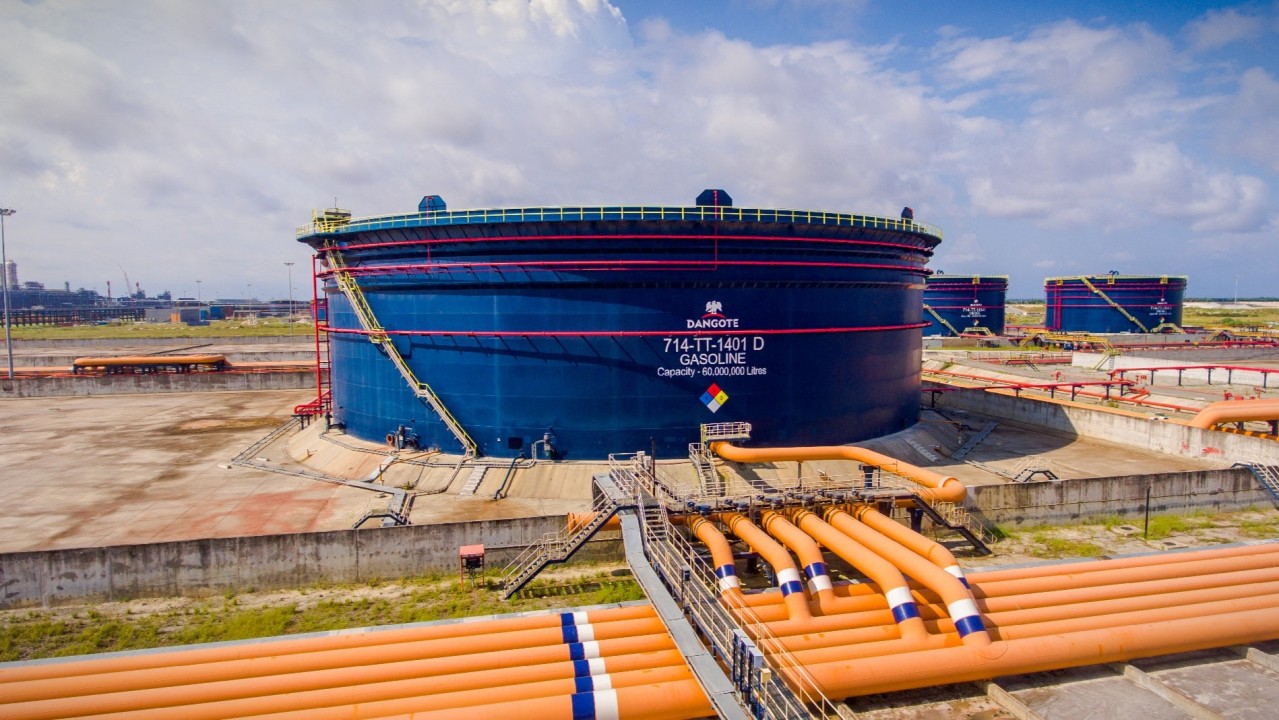
The latest ranking comes at a time when Nigeria is gradually increasing domestic refining capacity following the commencement of operations at the 650,000 barrels-per-day Dangote Petroleum Refinery and ongoing rehabilitation works at state-owned refineries.
Stakeholders believe improved local refining could help stabilise fuel supply, reduce exposure to foreign exchange volatility and strengthen long-term energy security if supported by stable policies and efficient distribution systems.
Analysts further stated that the country’s broader economic conditions, including exchange-rate stability, wage growth, inflation control and energy infrastructure development, would ultimately determine whether lower petrol prices translate into meaningful relief for consumers and businesses.
Related Stories


Sign up for our newsletter.
Get the latest news, expert analysis, and industry insights delivered straight to your inbox. Join thousands of professionals shaping the future of energy.
By submitting my information, I agree to the Privacy Policy and Terms of Service.