Oil & Gas
Dangote Refinery Drags FG to Court over Fresh Petrol Import Approvals
The court dispute could shape Nigeria’s fuel supply policy and determine how far the country prioritises local refining over continued dependence on imported petroleum products.
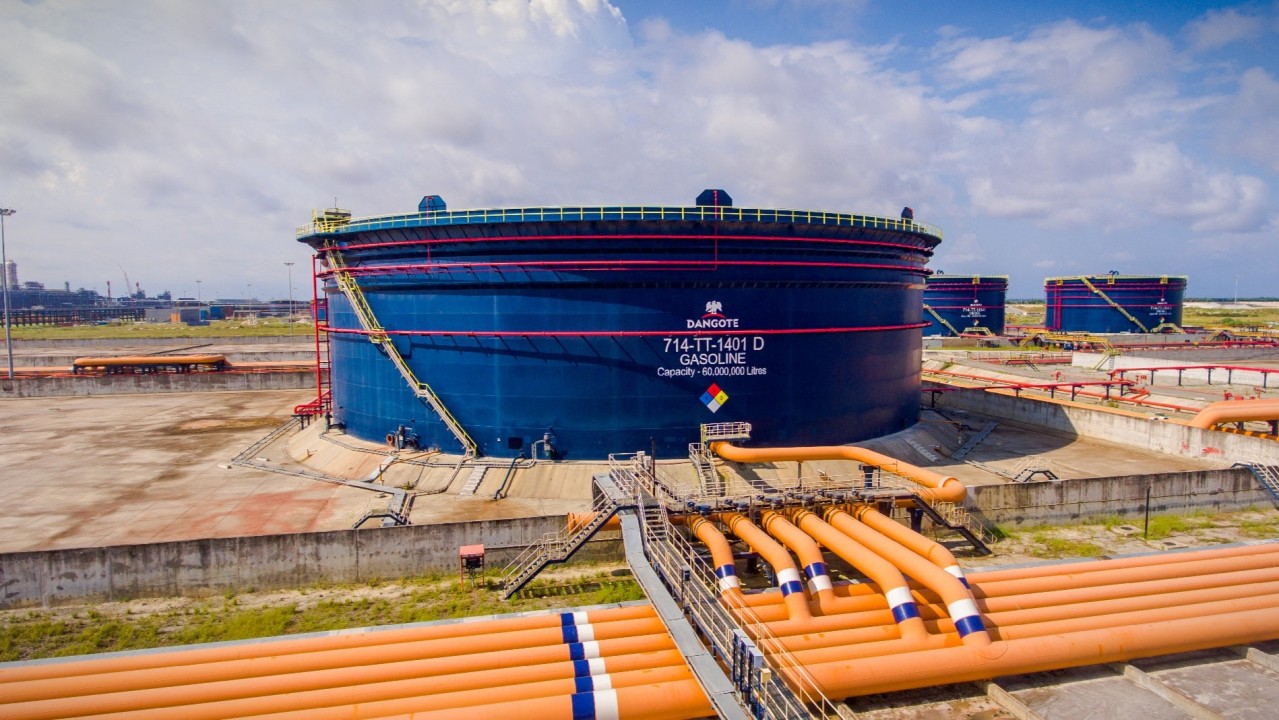
The Dangote Petroleum Refinery has filed a lawsuit against the Federal Government over the issuance of new petrol import licences to several oil marketing companies, intensifying tensions within Nigeria’s downstream petroleum sector.
The legal action follows recent approvals granted by the Nigerian Midstream and Downstream Petroleum Regulatory Authority (NMDPRA) to six petroleum marketers for the importation of Premium Motor Spirit (PMS), commonly known as petrol.
Industry documents showed that the approved marketers — NIPCO, AA Rano, Matrix Energy, Shafa Energy, Pinnacle Oil and Gas, and Bono Energy — received allocations ranging between 60,000 metric tonnes and 150,000 metric tonnes, with total approved imports estimated at between 600,000 metric tonnes and 720,000 metric tonnes.
The approvals signal a policy reversal after the regulator reportedly suspended fresh petrol import licences in February and March 2026, citing improved domestic refining capacity following increased production from the Dangote refinery.
Data released by the NMDPRA indicated that the refinery supplied approximately 36.5 million litres of petrol daily in February 2026, accounting for more than 90 per cent of Nigeria’s domestic petrol consumption. Petrol imports reportedly declined to about three million litres daily during the same period.
In the suit filed before the Federal High Court in Lagos, the refinery argued that continued issuance of fuel import permits violates provisions of the Petroleum Industry Act (PIA), which allows imports only when local production cannot meet domestic demand.
The company maintained that unrestricted fuel imports undermine domestic refining investments and weaken efforts to build Nigeria’s self-sufficiency in petroleum processing.
The development has triggered fresh debate within the oil and gas industry. While some stakeholders defend the import approvals on the grounds of market competition and supply security, others argue that excessive imports could discourage local refining and return Nigeria to dependence on imported fuel.
Speaking in a recent interview monitored by Vanguard, President of the Dangote Group, Aliko Dangote, alleged that entrenched interests within the fuel import business were still attempting to frustrate the refinery’s operations.
According to him, powerful importers who benefitted from Nigeria’s former fuel subsidy regime viewed the refinery as a threat to their businesses.
“We looked at oil. Africa produces oil, but many countries don’t refine it. They export crude and import refined products, which drains foreign reserves,” Dangote stated.
He said the refinery project, which began in 2013, encountered multiple obstacles, including delays linked to land acquisition and resistance from interests tied to fuel importation.
Dangote also argued that Nigeria’s previous subsidy system created opportunities for traders and importers to earn enormous profits from refined fuel imports, despite the country being one of Africa’s largest crude oil producers.
The 650,000 barrels-per-day refinery located in the Lekki Free Zone, Lagos, is currently Africa’s largest single-train refinery and has become central to Nigeria’s push for energy security and reduced dependence on imported petroleum products.
Related Stories


Sign up for our newsletter.
Get the latest news, expert analysis, and industry insights delivered straight to your inbox. Join thousands of professionals shaping the future of energy.
By submitting my information, I agree to the Privacy Policy and Terms of Service.