Power
Experts Back NERC Net Billing Rules as Pathway to Stronger Energy Security
NERC's new net billing rules can improve Nigeria's energy security, experts maintain.

Nigeria's drive to strengthen its energy security has received support from energy experts, who say the Nigerian Electricity Regulatory Commission (NERC) Net Billing Regulations 2026 will encourage more people and businesses to generate renewable electricity while reducing pressure on the national grid.
The regulation is believed to create a system that allows qualified electricity users to produce renewable energy for their own needs and earn credits when they supply excess electricity to electricity distribution companies (DisCos).
This approach, according to experts, can help Nigeria build a more reliable electricity sector over time.
Policy supports cleaner electricity supply
NERC introduced the regulation in June as part of reforms under the Electricity Act. The law decentralised electricity regulation and gave states wider oversight of electricity markets.
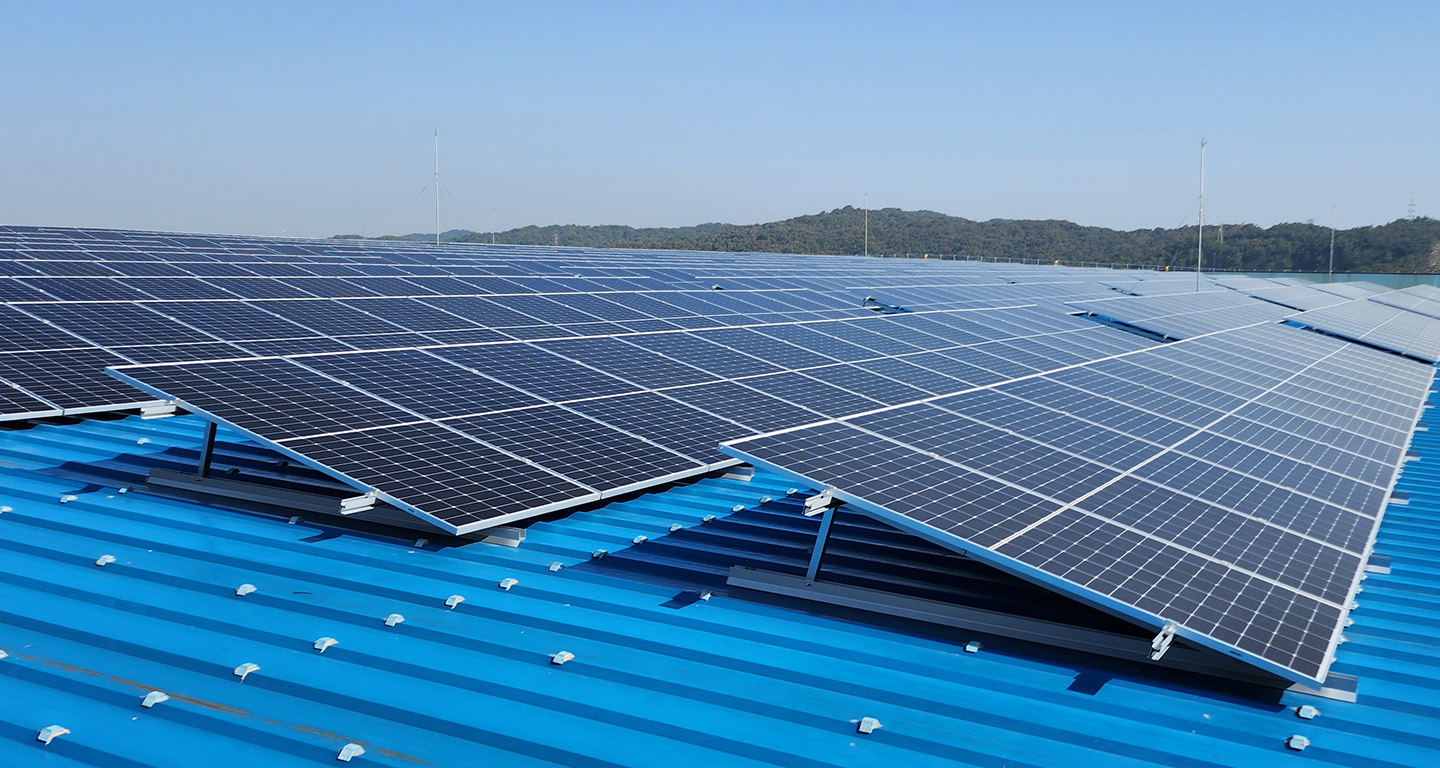
The regulation allows eligible electricity consumers to install renewable energy systems with capacities ranging from 50 kilowatt peak (kWp) to 1.5 megawatt peak (MWp). To join the programme, customers must be connected to a distribution network, install approved renewable energy systems, obtain approval from their DisCo, sign a Net Billing Agreement and register with NERC.
The commission also said DisCos will carry out technical assessments before approving applications. Successful applicants will receive bidirectional smart meters that can measure electricity taken from the grid and electricity supplied back to it. Power exported to the grid will earn credits based on an export tariff approved by NERC.
These steps form the foundation of the net billing system, which experts say can help Nigeria increase the use of renewable energy while supporting electricity supply.
Experts explain long-term benefits
Chairman of the Eko Electricity Distribution Company Customer Consultative Forum, Festac and Satellite Town, Dr Olukayode Akinrolabu, described the regulation as a policy capable of changing how electricity is produced and consumed in the country.
"It provides a hedge against high tariffs and unreliable supply while creating a new revenue stream for consumers," he said.
Akinrolabu explained that the framework uses a net billing model instead of net metering. Under the arrangement, consumers first use the electricity they generate before sending excess power to the grid in exchange for credits.
He said wider use of rooftop solar systems could reduce technical losses, ease pressure on distribution transformers and improve electricity supply during periods of high daytime demand.
He also said successful implementation would depend on stronger distribution infrastructure, effective regulatory enforcement and the installation of certified bidirectional smart meters.
While DisCos could experience lower electricity sales from some large customers and spend money on new infrastructure at the beginning, he said the policy could help them retain customers on the grid while creating business opportunities in renewable energy services.
Chief Executive Officer of Wurvicat International Ltd., Atinuke Owolabi, also described the regulation as one of the biggest reforms introduced in Nigeria's electricity sector in recent years.
"This is one of the most progressive policies introduced in recent years because it transforms consumers into active participants in Nigeria's electricity market," she said.
Owolabi said transparent payment arrangements, accurate smart metering and uniform technical standards would encourage more people to participate and build public confidence in the programme.
She said stronger grid infrastructure and an efficient dispute resolution system would also be important for the policy to achieve its objectives.
Owolabi noted that the regulation supports Nigeria's Energy Transition Plan by encouraging cleaner energy sources, expanding electricity access and helping the country reduce carbon emissions.
She also said effective implementation could encourage local production of solar panels, batteries, inverters and other renewable energy equipment. That, she said, could create thousands of jobs, reduce dependence on imported components and strengthen Nigeria's renewable energy industry.
It was greed that the net billing regulation gives electricity consumers a greater role in power generation while supporting Nigeria's effort to build a stronger and more secure electricity system through renewable energy.
Related Stories

Sign up for our newsletter.
Get the latest news, expert analysis, and industry insights delivered straight to your inbox. Join thousands of professionals shaping the future of energy.
By submitting my information, I agree to the Privacy Policy and Terms of Service.