Power
Rwanda Faces Funding Challenge over Construction of Nuclear Reactor
Rwanda contemplates how it will finance its first small modular nuclear reactor, as funding becomes the biggest hurdle before construction can start.
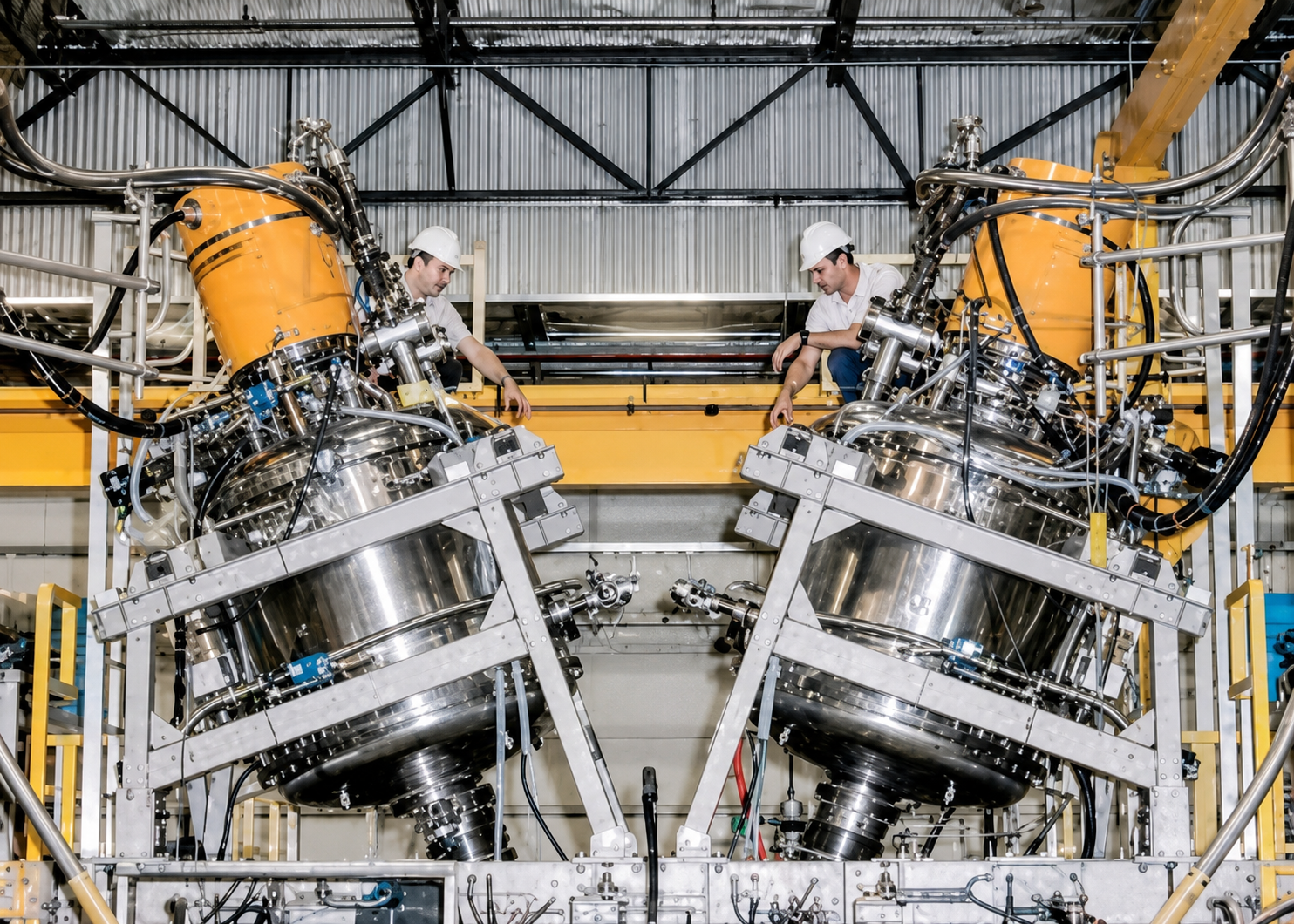
Rwanda's plan to build its first small modular nuclear reactor is entering a crucial stage as the country still has no final decision on how the project will be financed. The government wants the reactor to begin producing electricity in the early 2030s, but funding arrangements must be settled before construction can start.
The issue has become one of the biggest tasks in Rwanda's nuclear programme because it will determine how quickly the country can turn its clean energy plan into reality.
The financing question has gained importance after Rwanda advanced to Phase 2 of its nuclear power programme in May. The stage focuses on preparing for contracting and construction. While technical work is progressing, the country must still complete feasibility studies, choose a site, carry out environmental assessments, strengthen regulation, train skilled workers and secure funding before building work begins.
Financing decision will shape project timeline
Rwanda is studying several funding options with support from the United Nations Economic Commission for Africa. The studies are meant to identify the financing model that best suits the country's economic situation and long-term electricity needs.
The government has not announced whether it will rely on public borrowing, a public-private partnership, export credit or another funding arrangement. That decision is expected to influence both the pace and structure of the project.
Small modular reactors are promoted as a more affordable alternative to conventional nuclear power plants. Each unit can produce up to 300 megawatts of electricity, about one-third of the output of a traditional reactor. Since they are manufactured in factories and assembled at project sites, they usually need less upfront investment and can be built in stages as electricity demand increases.
The International Atomic Energy Agency also notes that these reactors can operate on smaller electricity grids and can supply power to remote communities where large nuclear plants may not be practical.
Rwanda studies funding options as global interest changes
Even with their smaller size, SMRs still require major investment before electricity generation begins. The International Energy Agency identifies financing as one of the biggest barriers to nuclear projects because of high capital costs, long construction periods and investment risks.
The agency notes that governments often play the leading role by providing direct investment, sovereign loans or guarantees that make projects more attractive to private investors. Long-term electricity pricing arrangements are also commonly used to give investors confidence that projects will generate stable income.
Lassina Zerbo, Chairperson of the Rwanda Atomic Energy Board, said discussions on financing nuclear energy in Africa are becoming more encouraging as international financial institutions review their positions.
"After that, we heard that the World Bank rightfully has changed its stand on financing nuclear energy, and all of a sudden all the development banks have started to think about it," he said.
Zerbo said Rwanda is considering several financing methods, including public-private partnerships and export credits. He also suggested that certified critical mineral reserves could support innovative financing through tokenisation, where part of the verified value of those resources is converted into financial instruments for strategic infrastructure projects.
He stressed that the challenge goes beyond finding money. "The issue is not only about securing funding, but creating mechanisms that allow financing to be effectively mobilised," he said.
Zerbo also argued that financial support should cover every stage of the nuclear programme, including training workers, carrying out studies, improving local industries and preparing the supply chain before construction begins.
Rwanda has already signed cooperation agreements with Russia's Rosatom and United States-based Holtec International to support its nuclear programme. Under the agreement with Holtec, the company will assist with site studies, financing mobilisation and planning for the safe deployment of nuclear technologies. Neither partnership has publicly disclosed how the reactor itself will eventually be financed.
Other African countries have taken different approaches. Egypt is financing most of its El Dabaa Nuclear Power Plant through a Russian state loan covering 85 per cent of construction costs. South Africa owns and operates the continent's only working nuclear power plant through Eskom, while Ghana is still preparing its nuclear programme before making a final investment decision. Rwanda must now choose a financing model that matches its energy ambitions and economic capacity before work on its first reactor can begin.
Related Stories
Sign up for our newsletter.
Get the latest news, expert analysis, and industry insights delivered straight to your inbox. Join thousands of professionals shaping the future of energy.
By submitting my information, I agree to the Privacy Policy and Terms of Service.