Oil & Gas
Cameroon Imposes New Rules to Fix Cooking Gas Shortages
Cameroon's cooking gas shortage traces back to the loss of a single floating gas platform, exposing how thin the margin is between stable supply and empty cylinders
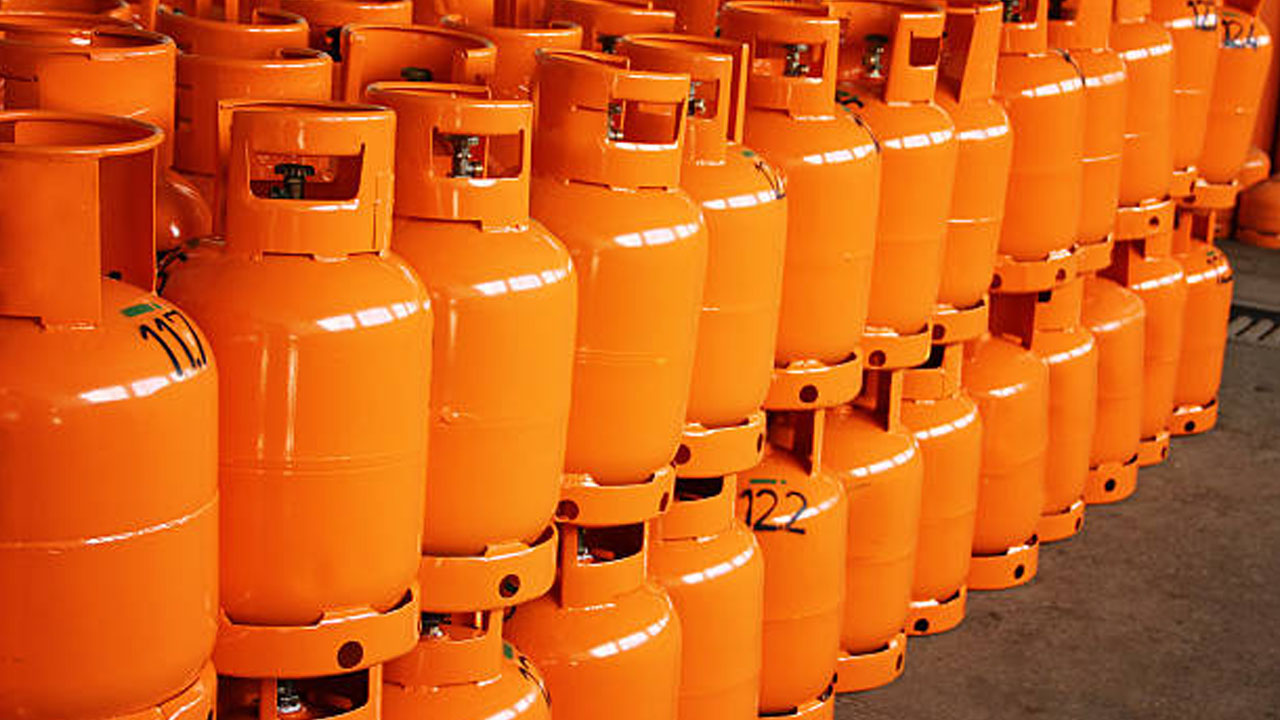
Cameroon has imposed new requirements on liquefied petroleum gas (LPG) importers, marketers and distributors after supply disruptions left households travelling long distances in search of cooking gas, according to a circular signed September 23 by Water and Energy Minister Gaston Eloundou Essomba.
The Ministry of Water and Energy (MINEE) said the rules follow consultations with operators over difficulties affecting LPG supply and distribution nationwide.
Under the new measures, Importers must comply with agreed delivery schedules set by the monthly LPG market monitoring committee, while marketers are required to pay import invoices within contractual deadlines.
The Cameroon Petroleum Depots Company (SCDP) must distribute LPG cargoes according to each marketer's market share while honouring existing commercial contracts, and imported LPG intended for Cameroon must be given priority when cargoes arrive, even as the transit of products destined for neighbouring countries continues.
Licensed LPG distributors will now be required to maintain a fleet of at least 10,000 cylinders before collecting gas for consumer sales points.
Operators that fail to comply face suspension and, in some cases, the withdrawal of their licences.
A departing gas platform left a real supply gap
The disruptions prompting these rules follow the withdrawal of a key source of domestic gas.
The FLNG Hilli Episeyo, a floating liquefaction unit anchored off Kribi, ceased operations in early August 2026, removing about 2,000 tonnes of locally produced gas a month, or roughly 24,000 tonnes a year, from Cameroon's supply.
That shutdown affected the Bipaga gas processing plant, which had been Cameroon's main domestic LPG source, producing around 30,000 tonnes annually even as the country's imports of liquefied butane reached 150,420 tonnes in 2025, underlining how heavily Cameroon already depends on foreign supply.
In response, the government launched a tender on September 1 for 60,000 metric tonnes of LPG, nearly 40% of everything the country imported in all of 2025, split into two lots to cover consumption through the end of the year.
MINEE said delayed or non-payment of importers by some marketers has compounded the disruption, along with some operators failing to respect their agreed market shares.
The ministry also flagged LPG withdrawals that favour industrial buyers over retail sales points, and irregular sales by some marketers of gas subsidised for household use to industrial customers instead, practices it said have contributed to shortages at some outlets and forced consumers into long queues and repeated trips between sales points in search of cylinders.
Cooking gas remains a lifeline for millions of households
The stakes for ordinary households are significant.
Cameroon has spent years trying to shift families away from wood and charcoal, fuels still used by roughly 70% of the population and linked to indoor air pollution and deforestation, toward LPG, which the government subsidises to keep a 12.5-kilogramme cylinder refill at around 6,500 CFA francs ($11).
That subsidy, estimated to cost the state around $105 million a year based on earlier government projections, has helped drive rising LPG demand, but researchers have long warned that supply shortages, rather than affordability or consumer demand, remain the biggest obstacle to expanding clean cooking access in the country.
The latest requirements followed a meeting lasting more than three hours between Eloundou Essomba and industry operators, held before the circular was issued, according to MINEE.
The new rules span the supply chain from imports and payments through storage, allocation and final distribution, and their effectiveness is likely to become clearer once the government's emergency import tender begins delivering cargoes and the shortfall left by Hilli Episeyo's departure is tested against Cameroon's ongoing demand.
Related Stories
Sign up for our newsletter.
Get the latest news, expert analysis, and industry insights delivered straight to your inbox. Join thousands of professionals shaping the future of energy.
By submitting my information, I agree to the Privacy Policy and Terms of Service.