Oil & Gas
Nigeria: Niger Delta Firm to Turn Wasted Gas into Power for 80,000 Homes
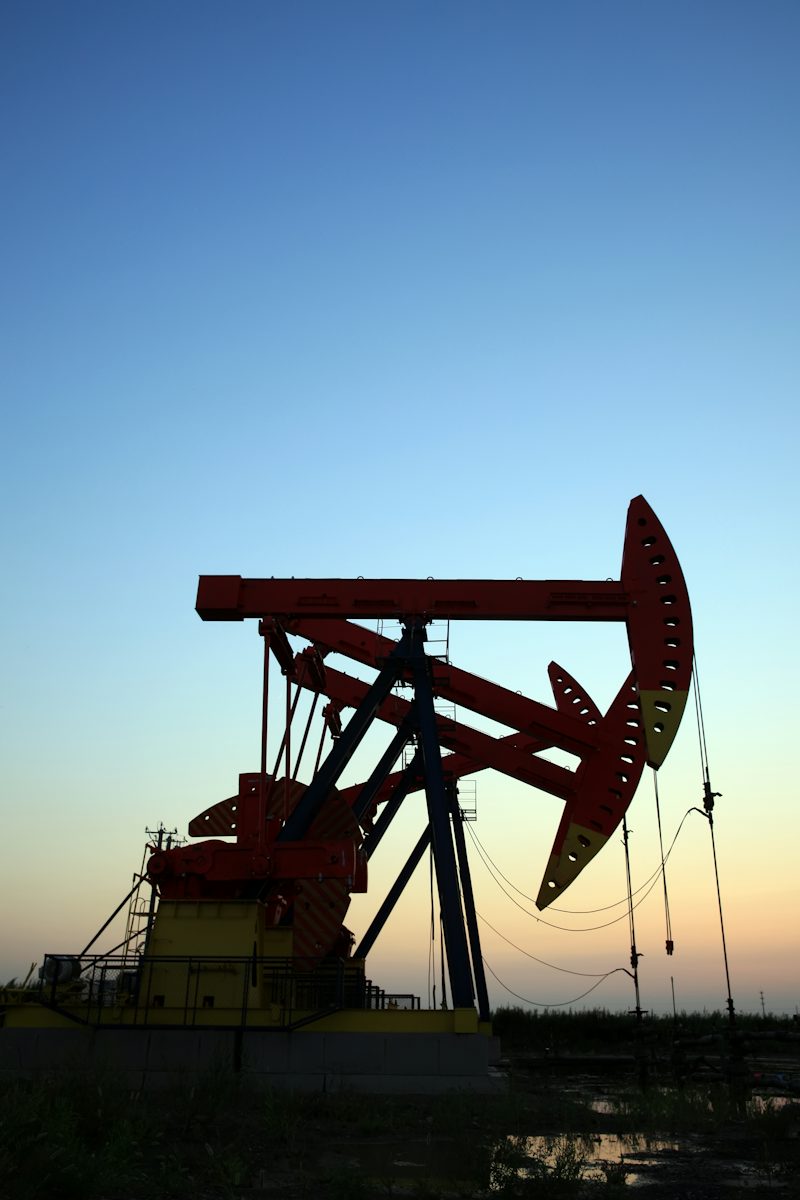
Energy Ventures B.V. plans to use gas that has been burnt off for over 60 years to light up homes and businesses in the Niger Delta, with government support already secured.
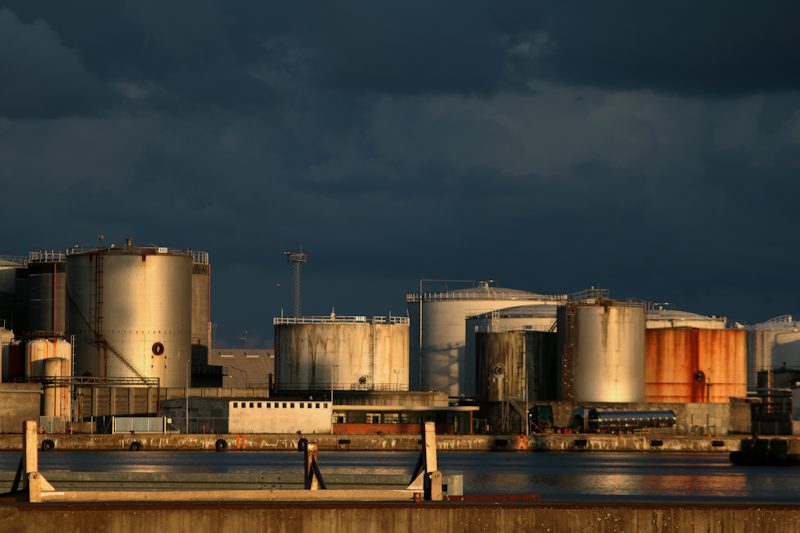
Energy Ventures B.V., a clean-energy company, has got Federal Government backing to convert flared gas into electricity for about 80,000 homes and businesses in the Niger Delta.
Flared gas is natural gas burnt off during oil production instead of being used, and it has polluted the region for over 60 years. Chief Executive Officer Herbert Okibe announced the project at a media briefing in Abuja, alongside Chief Financial Officer Gobert Rieteme and Chief Commercial Officer Yvonne Wierik-Chioke.
The company has already run a pilot in the Abada oil field, and the connections planned will serve roughly half a million people in the region.
How the company plans to convert the gas
Okibe said his team met with the Bureau of Public Enterprises (BPE), the Minister of Power and other agencies in Abuja, and the project idea was well received, with a promise of support.
The project will use modularised "flare out" units, small factory-built systems designed by FB Group in the Netherlands to capture flared gas. These units will be digitally connected, so equipment makers can carry out remote diagnostics and root cause analysis, meaning they can check and fix problems in the gas engines from a distance.
Okibe said the company will also install smart metering, an electricity meter system that tracks usage digitally, designed to stop tampering and give customers clear usage data through a mobile app.
He said the government has created a good environment for such projects. He explained that a power regulations law now allows states to generate and regulate their own electricity, and this has opened discussions on supplying power to people, as well as chances for franchise arrangements with third parties.
Wierik-Chioke said access to energy helps economies grow, gives people a better quality of life, and takes away the pollution gas flaring has caused for 60 years.
"Once you're able to have access to clean, reliable energy, it means that you can build and grow your business. You can plan better by simply having access to electricity. But we also understand that it will take time to fully achieve that result," she said.
Community trust and what happens next
Okibe said despite the history of violence in the Niger Delta, the company has found high cooperation, through wide customer enumeration and engagement with local chiefs and electricity committees.
"Engagement with community leaders, youths, and local government chairmen has been overwhelmingly positive so far. Security measures include high-quality fencing and armed security supported by Nigerian authorities to protect assets. We emphasise a 'win-win' approach by involving local electricity committees in the operational process," he said.
He said the company briefed stakeholders on its plans, and their teams listened attentively and asked good questions.
"They gave some very good suggestions, and also asked us how they could be of support," Okibe said.
"For example, with the electricity metering system we're trying to put in place, they could link us to the presidential metering initiative."
He said the Minister of Power also guided the company on areas it had not covered enough, such as engaging with NNPC and other government regulatory agencies, and this guidance was well received.
Okibe said the project cannot solve Nigeria's total power shortage, but it will improve life for local businesses, schools and hospitals. He said supplying the Niger Delta customers directly will also free up power for the rest of the country.
"The benefit for Nigeria as a whole is, of course, when you take away the customers in the Niger Delta who we can supply, then whatever is left of the power supply in Nigeria can be better distributed to the rest of the country. So there's going to be benefits for everybody. Directly, we're looking at 100,000 homes. Indirectly, I think all Nigerians will benefit," he said.
Wierik-Chioke said if the project succeeds, it could open the door to producing energy from more than 100 other flare sites across Nigeria, on top of cutting pollution caused by decades of gas flaring in the Niger Delta.
Related Stories
Sign up for our newsletter.
Get the latest news, expert analysis, and industry insights delivered straight to your inbox. Join thousands of professionals shaping the future of energy.
By submitting my information, I agree to the Privacy Policy and Terms of Service.