Oil & Gas
Libya's Sharara Shutdown Cuts Output by 720,000 Barrels
Libya's latest oilfield shutdown fits a decade-long pattern in which armed groups have repeatedly used the country's most valuable asset as leverage in unrelated disputes.
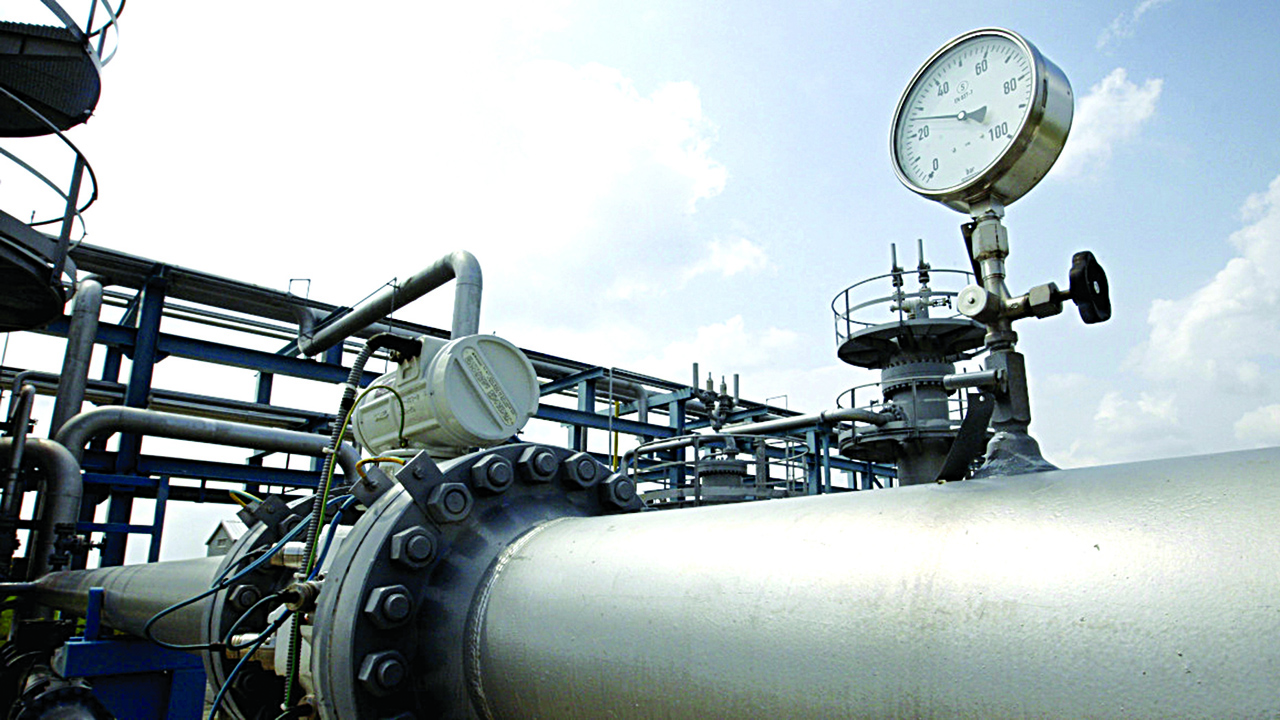
Libya's National Oil Corporation (NOC) said the forced closure of a valve on the Sharara-Zawiya crude pipeline by an armed group has caused the loss of more than 720,000 barrels of production and over $75 million in direct losses as of September 24.
The NOC said an armed group seeking to pressure authorities over financial demands closed Valve No. 7 on the pipeline on Monday, causing a pressure buildup that led to a significant reduction in production at the Sharara oilfield.
The company had said on Tuesday that the closure was cutting output by about 130,000 barrels per day.
Over the weekend, the NOC said it had halted one refining unit at the Zawiya refinery and is considering bringing in a crude shipment from Mellita or Sidra ports to keep the refinery running.
The company has warned it could be "compelled to declare force majeure," a legal provision allowing suppliers to suspend contractual obligations because of circumstances beyond their control, if the shutdown continues.
A field with a long history of forced closures
Sharara, Libya's largest oilfield with a production capacity of around 300,000 to 335,000 barrels per day, has become something of a recurring flashpoint in the country's fractured politics.
The field, operated by a joint venture between the NOC and Equinor, OMV, Repsol and TotalEnergies, has been repeatedly shut down over the past decade by armed groups, protesters and rival political factions seeking leverage over the government, disruptions that have ranged from workers walking off the job over pay and working conditions to blockades imposed by forces aligned with eastern military commander Khalifa Haftar.
In one instance in 2022, blockades tied to Haftar's forces cut Libya's total output to just 650,000 barrels per day, a fraction of the country's potential.
This latest closure was preceded by a wave of related disruptions in September.
Guards blocked access to the Zawiya refinery on September 13 over working conditions, and two days later a separate group shut the Hamada-Zawiya pipeline, forcing the Hamada and Al-Tahara fields offline as well.
By September 16, the southwestern branch of the Petroleum Facilities Guard, the state body responsible for protecting Libya's oil infrastructure, had threatened to shut seven oil fields, including Sharara, after financial demands went unmet in negotiations, according to Libya Herald.
Oil revenue is central to Libya's state finances
The disruptions carry outsized weight for Libya's economy.
Oil accounts for around 70% of the country's gross domestic product and as much as 95% of state revenue, according to figures cited in past reporting on the sector, meaning any sustained drop in output directly threatens the government's ability to fund public spending.
Libya's state collected 98.9 billion dinars ($15.5 billion) in revenue between January and August 2026, according to Central Bank of Libya statistics published earlier this month, with crude oil sales accounting for the large majority of that figure.
The NOC added that a prolonged shutdown would directly reduce state revenues at a time when global oil prices are rising, a moment when Libya would otherwise stand to benefit from higher prices rather than lose out on volume.
Libya holds Africa's largest proven oil reserves and, as an OPEC member, is exempt from the group's coordinated production cuts, a status that has allowed the country's output recovery in past years to complicate OPEC's efforts to manage global supply.
Despite that wealth, Libya has been mired in violence and instability since the 2011 overthrow of Muammar Gaddafi, and remains split between the UN-recognised government in Tripoli, led by Prime Minister Abdulhamid Dbeibah, and a rival administration in the east backed by Haftar, a division that has repeatedly left the country's most valuable economic asset vulnerable to armed groups and political factions using it as leverage in disputes that have little to do with the oil industry itself.
The NOC has not said when repairs to Valve No. 7 might be completed. Libya's oil ministry and the Petroleum Facilities Guard have not commented publicly on the group's financial demands or on any timeline for resolving the standoff.
Related Stories
Sign up for our newsletter.
Get the latest news, expert analysis, and industry insights delivered straight to your inbox. Join thousands of professionals shaping the future of energy.
By submitting my information, I agree to the Privacy Policy and Terms of Service.