Policy & Governance
Every policy and governance related news
• 2 min read
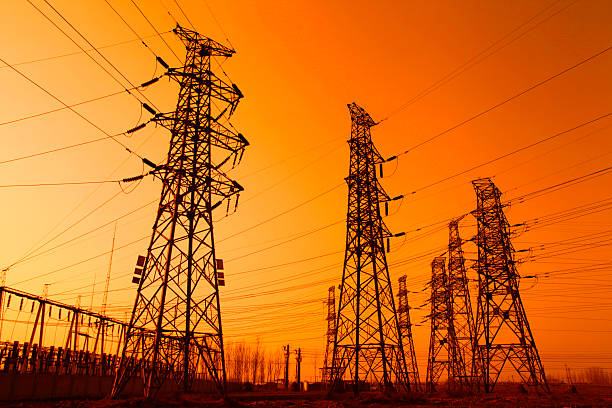
Togo Moves to Open Power Market to Private Producers
Togo's draft electricity law would let big users choose suppliers and open the grid to private producers, as power demand heads for a 32% jump by 2030.
• 1 min read
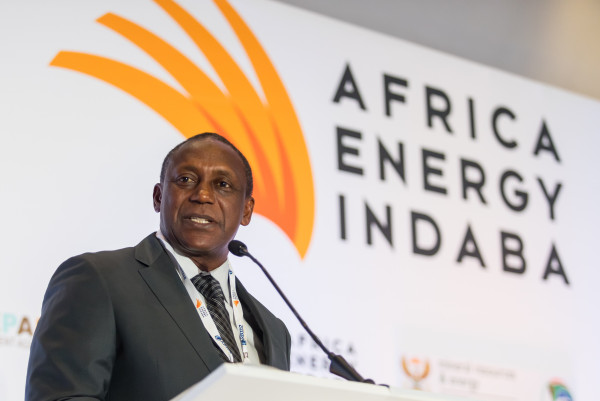
Cape Town to Host 19th Africa Energy Indaba in March 2027
Governments and investors look to turn electricity shortages into business opportunities across the continent.
• 2 min read
Nigeria: FG Negotiates N1,350 Cap on Petrol Cost as Prices Climb
Nigeria's finance minister says refiners and importers would carry costs above the cap and recover them later, with crude sold forward to calm pump prices.
• 2 min read
Nigeria Announces 30-Day Petrol Discount at NNPC Stations
Oyedele says NNPC will sell petrol at cost for a month, but the size and start date of the cut remain unannounced.
• 2 min read
NMDPRA Proposes 138 Rules to Curb Market Monopolies
Nigeria's push to curb monopolistic practices in its oil and gas sector highlights growing concern over dominant players' control of critical petroleum infrastructure.
• 2 min read
Boakai Renews Tariff Suspension on Off-Grid Solar Goods
Liberia's renewed tariff break on solar imports tests how far trade policy alone can push rural electrification in a country where grid access remains limited.