Renewables |Power
Malawi Battery Project Unlocks 100MW of Stranded Renewable Power
A new 20MW battery facility in Lilongwe is set to store excess electricity, support the national grid and cut reliance on diesel generators.
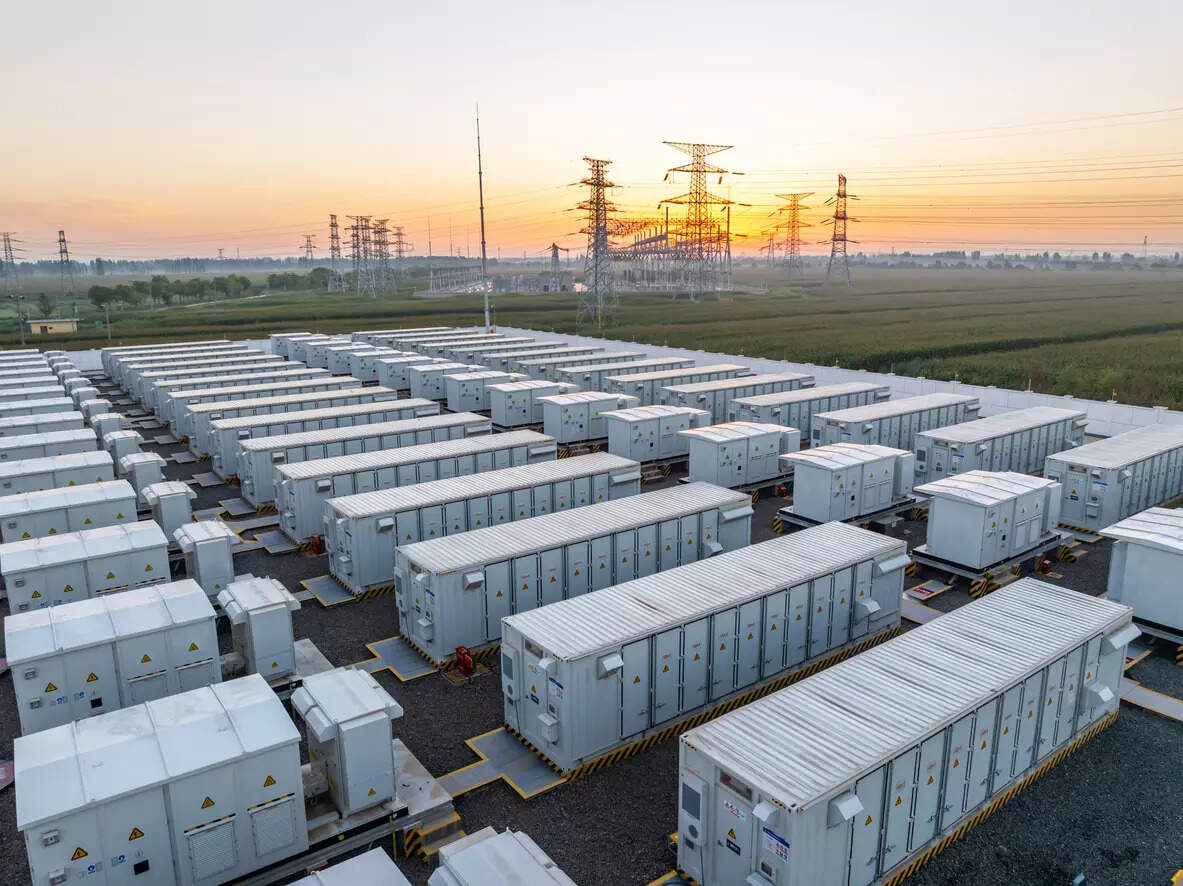
Malawi has commissioned its first utility-scale battery storage facility, opening a route to use about 100 megawatts of renewable electricity that had been curtailed from the national grid.
The 20-megawatt, 40-megawatt-hour Battery Energy Storage System was commissioned at Kanengo in Lilongwe by the Electricity Supply Corporation of Malawi (ESCOM), with support from the Global Energy Alliance for People and Planet (GEAPP).
The project received a $20 million grant from GEAPP and is expected to stabilise Malawi's electricity network, reduce diesel generator use and prevent more than 10,000 tonnes of carbon emissions each year.
The development is significant for a country whose power supply depends heavily on hydropower and has suffered major disruption from droughts, floods and cyclones.
Battery to store power when supply is high
The battery does not produce electricity like a power station. It stores excess electricity when demand is low and releases it when demand rises or electricity generation falls.
That ability could help Malawi make better use of renewable power already available but unable to enter the grid at some periods.
Carol Koech, vice president for Africa at GEAPP, said the project was conceived after Cyclones Anna and Freddy exposed weaknesses in Malawi's hydropower-dependent electricity system.
"This project was envisioned after Cyclones Anna and Freddy exposed the fragility of Malawi's hydropower-dependent grid," Koech told IPS in an interview.
"The Battery Energy Storage System (BESS) strengthens grid resilience by storing electricity and dispatching it instantly during peak demand or climate-related disruptions. It also reduces reliance on costly diesel backup generation while unlocking about 100 megawatts of renewable energy capacity that is currently being curtailed."
Cyclones Anna and Freddy damaged energy infrastructure and caused long blackouts. Businesses, hospitals, schools and homes were affected, forcing the country to depend on costly diesel generators for essential services.
Malawi's dependence on hydropower also leaves electricity generation exposed to changes in river flows. Drought can reduce water available for power generation, and floods and cyclones can damage transmission infrastructure.
The new battery system is expected to provide support by helping maintain voltage and frequency across the electricity network.
Reliable power tied to farms and factories
The electricity project also has implications for economic activity in Malawi, where power cuts can stop factory production and raise costs for businesses that use diesel generators.
Agriculture, which employs most Malawians, is also using more electricity for irrigation, agro-processing and cold storage.
Koech said reliable electricity would help these activities continue with fewer interruptions.
"Energy plays a significant role in enabling resilient agricultural systems," she said.
"Irrigation, agro-processing and cold storage all depend on reliable electricity. Having a stable grid means these activities can continue with minimal interruptions."
Manufacturers and small businesses could also benefit from more reliable electricity.
"A reliable electricity supply means manufacturers do not have to worry about production losses or the high costs associated with alternative power sources. Small businesses equally benefit because they can operate consistently without disruptions."
The project is expected to improve electricity supply for households, industries and public services. It also supports Malawi's ambition to reach 70 per cent electricity access by 2030.
The battery project has a regional dimension as well. Malawi already has an electricity interconnector with Mozambique, and connections to Zambia and Tanzania are planned or under development.
Malawi is also part of the Southern African Power Pool, a regional electricity market linking countries across southern Africa.
Koech said battery storage could give Malawi a more stable grid for cross-border electricity trading.
"Malawi is strategically positioned within the Southern African Power Pool," she said.
"Battery storage strengthens grid stability, making it essential for cross-border electricity trade and regional energy security. As regional electricity markets continue evolving, resilient national grids will become increasingly important."
The project is also intended to build local technical skills. A Southern Africa BESS Centre of Excellence at Mzuzu University will train engineers and power sector specialists in battery operations, grid modelling and system integration.
"We are building a local ecosystem for battery storage in Africa," Koech said.
"The Centre of Excellence will equip the next generation of African energy professionals with the technical skills needed to design, operate and manage these systems while allowing countries to learn from each other and reduce project delivery costs."
GEAPP says the Malawi project shows that utility-scale battery storage can be used in Africa to replace some diesel generation and provide services such as frequency regulation and voltage support.
"This project demonstrates that Africa is ready for utility-scale battery storage," Koech said.
"It shows utilities can replace expensive diesel with battery systems that charge during periods of low demand and d ischarge during peak demand while providing critical grid services."
Related Stories
Sign up for our newsletter.
Get the latest news, expert analysis, and industry insights delivered straight to your inbox. Join thousands of professionals shaping the future of energy.
By submitting my information, I agree to the Privacy Policy and Terms of Service.