Power
Ethiopia Takes Regional Power Pool Lead to Boost Electricity Trade
Ethiopia's new regional leadership places it in a position to guide electricity market reforms and speed up power-sharing projects among 13 Eastern African countries.
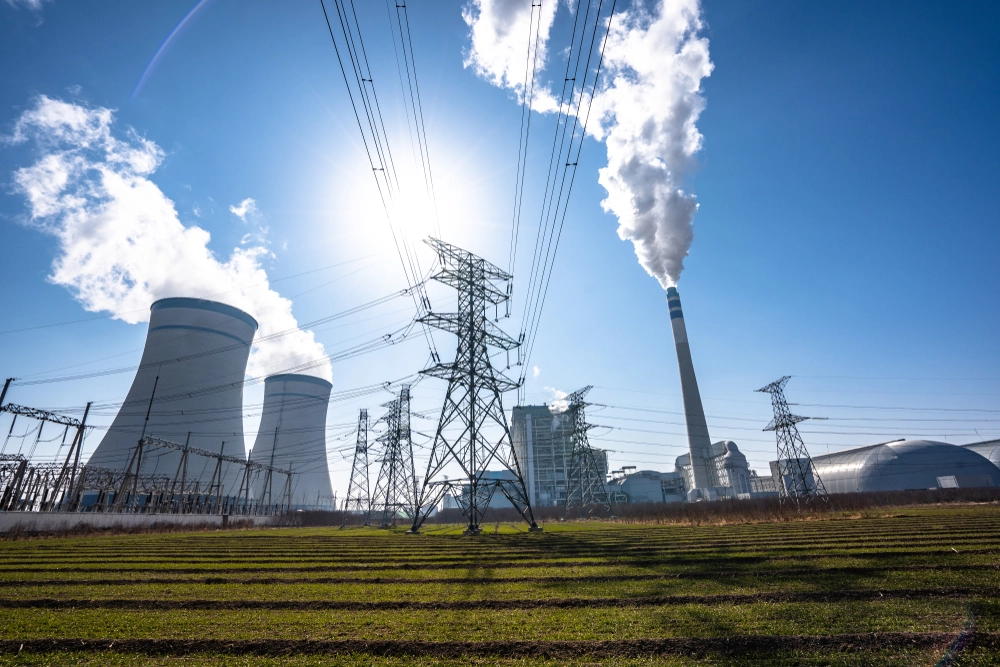
Ethiopia has taken over the chairmanship of the Eastern Africa Power Pool (EAPP) Council of Ministers, promising to speed up electricity links and cross-border power trade among member countries. The handover took place on July 9 in Addis Ababa during the council's 22nd meeting, where Ethiopia succeeded Egypt. The new role places Ethiopia in charge of guiding regional efforts to build a more connected electricity market that can improve power supply, strengthen energy security and support economic activity.
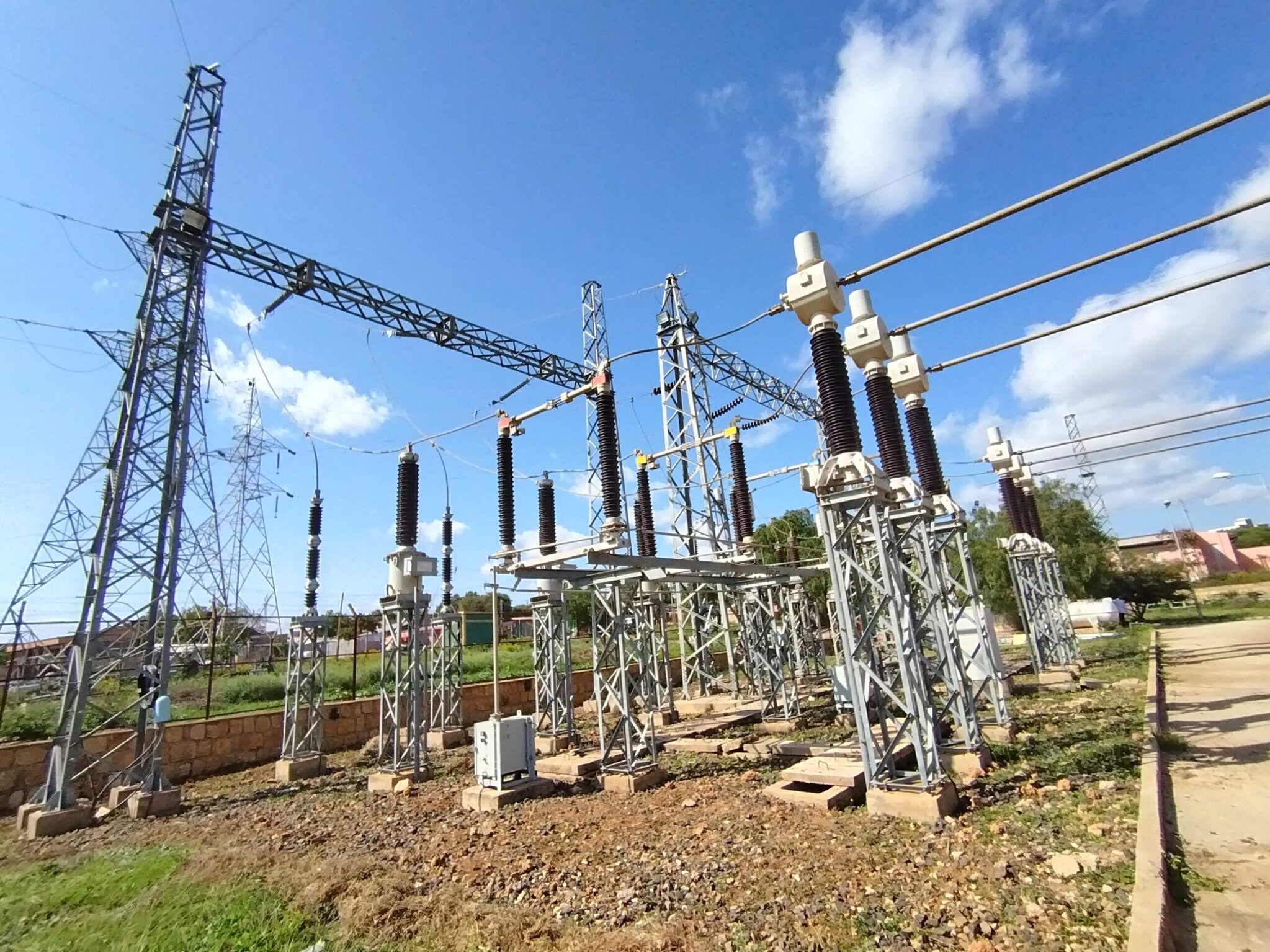
The leadership change puts renewed attention on regional electricity cooperation as Eastern African countries continue to invest in transmission lines that allow power to flow between national grids. Better electricity links can help countries share available power, reduce supply shortages and make better use of energy resources already in the region.
The council meeting also focused on legal and administrative matters that will shape future cooperation. Ministers and senior energy officials reviewed proposed changes to existing Memorandums of Understanding, regulatory frameworks and administrative guidelines that support electricity trading among member states. Their recommendations will help improve the rules guiding regional electricity exchanges.
The Eastern Africa Power Pool was established in 2005 with seven founding members: Egypt, Ethiopia, Kenya, Rwanda, Sudan, the Democratic Republic of the Congo and Burundi. It has since expanded into a 13-member organisation working to create a single regional electricity market through stronger cooperation and cross-border power trade.
Regional electricity links remain a major priority
Ethiopia's Minister of Water and Energy, Eng. Habtamu Itefa said the organisation was built on the belief that countries achieve more when they work together under agreed rules.
He pledged Ethiopia's commitment to working closely with all member states throughout its term as chair.
"Ethiopia remains committed to deepening collaboration with member states to accelerate regional power connectivity and advance the Eastern Africa Power Pool's vision of an integrated regional electricity market," the minister said.
His remarks point to the importance member countries place on expanding electricity connections as demand for reliable power continues to increase. Regional power sharing also allows countries with surplus electricity to supply neighbours facing shortages, making electricity systems more reliable.
The meeting gathered ministers and senior energy officials from member countries to examine practical steps that can improve electricity trading and strengthen cooperation. Discussions covered constitutional, legal and institutional matters that support the regional electricity market.
Cross-border projects strengthen regional cooperation
The Eastern Africa Power Pool has already supported several major electricity projects linking member countries. One of its best-known achievements is the Ethiopia-Kenya electricity interconnection, which allows electricity to move between both countries.
The organisation is also working towards extending the regional transmission network to Tanzania. Such projects increase opportunities for electricity exchange and strengthen regional cooperation by connecting national power systems.
Expanding these transmission networks allows countries to rely less on isolated electricity systems. It also helps improve access to electricity where supplies are limited while making better use of available generating capacity within the region.
With Ethiopia now leading the Council of Ministers, attention will focus on maintaining progress on these regional projects and strengthening cooperation among member countries. The rotating chairmanship gives Ethiopia responsibility for guiding discussions and helping members work toward shared electricity goals.
The council meeting bordered on discussions about proposed policy and regulatory changes that will support future electricity trade. Once adopted, the recommendations are intended to improve cooperation and make regional electricity transactions more effective.
Ethiopia's new leadership role places the country at the centre of regional efforts to improve electricity connectivity, encourage cross-border power exchange and support a more integrated energy market across Eastern Africa. The success of these efforts could help improve electricity reliability, support economic activity and strengthen energy cooperation among participating countries.
Related Stories
Sign up for our newsletter.
Get the latest news, expert analysis, and industry insights delivered straight to your inbox. Join thousands of professionals shaping the future of energy.
By submitting my information, I agree to the Privacy Policy and Terms of Service.