Power
Morocco's Renewable Electricity Ambitions Find New Route into Europe
A proposed electricity cable with Portugal could create another route for renewable power from North Africa into Europe if both countries approve the project.
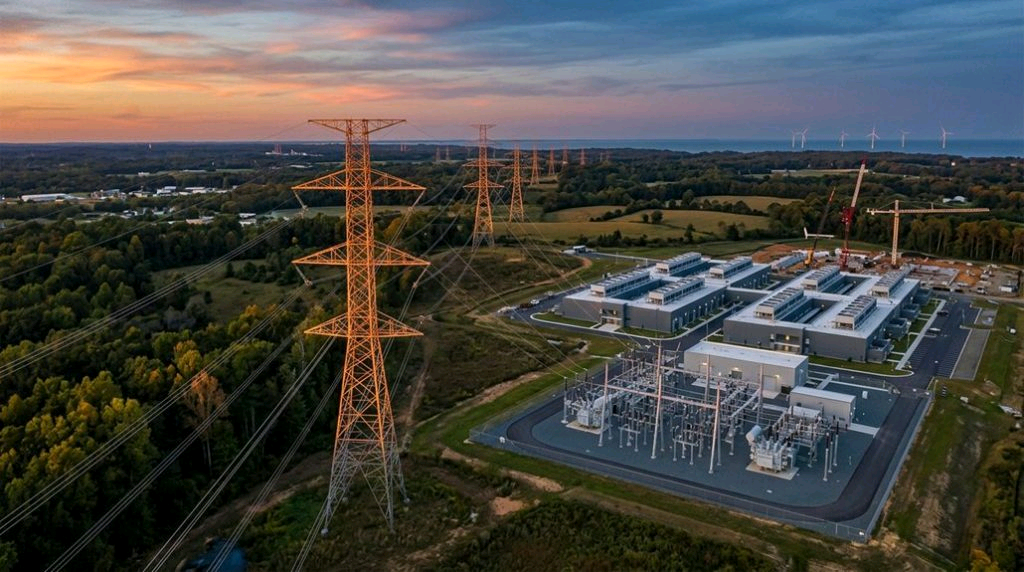
Morocco's ambition to supply more renewable electricity to Europe has received another boost after Portugal agreed to examine a proposed 1,000-megawatt undersea power link between the two countries. Portuguese Environment and Energy Minister Maria da Graça Carvalho announced on Monday, July 6, that both governments will study whether the project is technically and economically viable.
The proposal matters because it could give Morocco another electricity export route, strengthen energy trade between Europe and North Africa and support Europe's search for cleaner energy supplies.
The planned study puts renewed attention on Morocco's role in the regional electricity market. Europe is seeking stronger electricity links with neighbouring countries as it works to improve energy security and reduce carbon emissions. Morocco has invested heavily in renewable energy and could benefit from more opportunities to sell electricity beyond its borders.
The proposal also fits into a regional effort to build more electricity connections between North Africa and Europe. New interconnections can help countries exchange electricity more easily, improve grid stability and encourage investment in renewable energy projects.
Portugal study could open another export route
Carvalho said the proposed electricity connection with Morocco was one of the issues discussed after a ministerial meeting on energy links in southwestern Europe.
She said she would meet Morocco's energy minister in Lisbon within days to examine the proposal.
"One of the issues on the agenda is the feasibility of an electricity interconnection with Morocco, similar to the existing link between Spain and Morocco," she said.
Portugal wants a detailed cost-benefit analysis before deciding whether the project should proceed. The study will examine the financial value of the cable and the advantages it could bring to Portugal's electricity system.
The proposal is not new. Portugal first put forward the idea in 2016. The plan involves a 220-kilometre undersea cable linking northwestern Morocco with southern Portugal. The cable would have the capacity to transmit up to 1,000 megawatts of electricity.
A 2022 study by the Mediterranean Transmission System Operators association estimated the project would cost about €650 million, or roughly $742.3 million.
Regional electricity trade gathers pace
The proposed Portugal-Morocco cable forms part of a regional effort to increase electricity trade between North Africa and Europe.
The European Union backs such projects as it seeks more reliable electricity supplies while reducing dependence on fossil fuels. Stronger electricity connections also allow renewable energy produced in one country to be used in another.
Two similar projects are already advancing. The ELMED interconnection will link Tunisia and Italy, while the GREGY project will connect Greece and Egypt. Both are intended to support renewable electricity exports from North Africa into Europe.
Another connection between Morocco and Portugal would expand those export opportunities if it is approved.
More electricity links could also help North African countries attract investment into large renewable energy projects. Stronger transmission networks would improve electricity systems and create another source of foreign exchange earnings through electricity exports.
Morocco already shares an electricity interconnection with Spain. A second link through Portugal would increase its access to European electricity markets and provide another pathway for renewable power generated in North Africa.
The feasibility study will determine whether the proposed cable offers enough economic and technical benefits for both countries. If the findings are positive, the long-discussed project could strengthen Morocco's position as a renewable electricity supplier to Europe while supporting efforts to build a more connected regional power market.
Related Stories
Sign up for our newsletter.
Get the latest news, expert analysis, and industry insights delivered straight to your inbox. Join thousands of professionals shaping the future of energy.
By submitting my information, I agree to the Privacy Policy and Terms of Service.