Power
Liberia Looks to Japanese Expertise to Keep Backup Power Running
JICA is training Liberia Electricity Corporation staff to maintain diesel generators, revealing Liberia’s reliance on thermal backup as hydropower alone struggles to keep blackouts at bay.
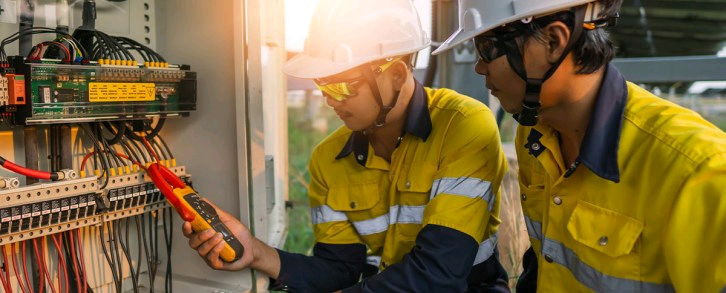
Liberia's electricity utility now depends on skills taught by Japanese experts to keep its diesel plants working, indicating that the country's hydropower alone cannot meet demand. The Liberia Electricity Corporation (LEC) this month reviewed a training programme with the Japan International Cooperation Agency (JICA), showing how much the national grid still leans on diesel generation when water levels or other sources fall short.
This development is important for a country like Liberia, where blackouts have long disrupted homes, shops and small businesses. It also shows the gap between Liberia's power needs and what its main hydro source can supply on its own.
Why diesel still carries the load
Liberia's power system depends heavily on the Mount Coffee hydropower plant, but water levels change with the seasons, and hydro output alone cannot always cover the country's needs. When that happens, LEC turns to diesel generators to fill the gap. This is why the utility calls its Thermal Generation Division a vital part of the national grid, not a side option. Without properly trained hands to maintain these generators, any drop in hydro supply could leave homes and businesses without light for longer stretches.
That is the gap the JICA programme is trying to close. Since it began, the project has given LEC staff classroom lessons and hands-on practice on the 2,400-hour maintenance cycle for diesel machines, a routine check that keeps engines from breaking down unexpectedly.
Now, LEC and JICA are preparing to move staff to a harder task: training on the 20,000-hour maintenance cycle, a deeper overhaul that keeps generators running for years without major failure. Getting this right will decide whether Liberia's backup power holds up when hydro output drops, or fails at the exact moment people need it most.
Foreign support fills a skills gap at home
The review meeting, held under the Joint Coordinating Committee, brought together Liberian government figures, LEC managers and JICA experts to check how far the training has gone. Deputy Minister of Energy Charles Umehai joined LEC's deputy managing directors for Operations, Technical Services and Administration, alongside directors from Strategy, Corporate Affairs and Revenue Protection. Their presence at the review shows that keeping diesel plants running is treated as a matter for the top levels of government, not just engineers on the ground.
JICA's Chief Advisor, Jujii Kyoji, and Technical Planning and Management Expert, Iwago Mikiko, laid out how the project has progressed so far, while Ito Miwa, Senior Representative of the JICA Ghana Office, joined the presentations. Their involvement points to a plain fact: Liberia currently does not have enough local expertise to run this level of maintenance without outside help.
That reliance is not unusual for developing power systems, but it does mean the pace of Liberia's progress towards steady electricity depends partly on how fast local staff can take over these skills.
Saidu S. K. Jalibah, Operations Manager of LEC's Thermal Generation Division, spoke for the trainees, saying the lessons had sharpened staff knowledge and hands-on ability. He set out the division's maintenance plan, saying it would lift equipment reliability and keep power generation running smoothly.
As LEC pushes staff towards the tougher 20,000-hour maintenance stage, the real test would be whether local technicians can soon manage Liberia's backup power without leaning on foreign trainers.
Related Stories
Sign up for our newsletter.
Get the latest news, expert analysis, and industry insights delivered straight to your inbox. Join thousands of professionals shaping the future of energy.
By submitting my information, I agree to the Privacy Policy and Terms of Service.